


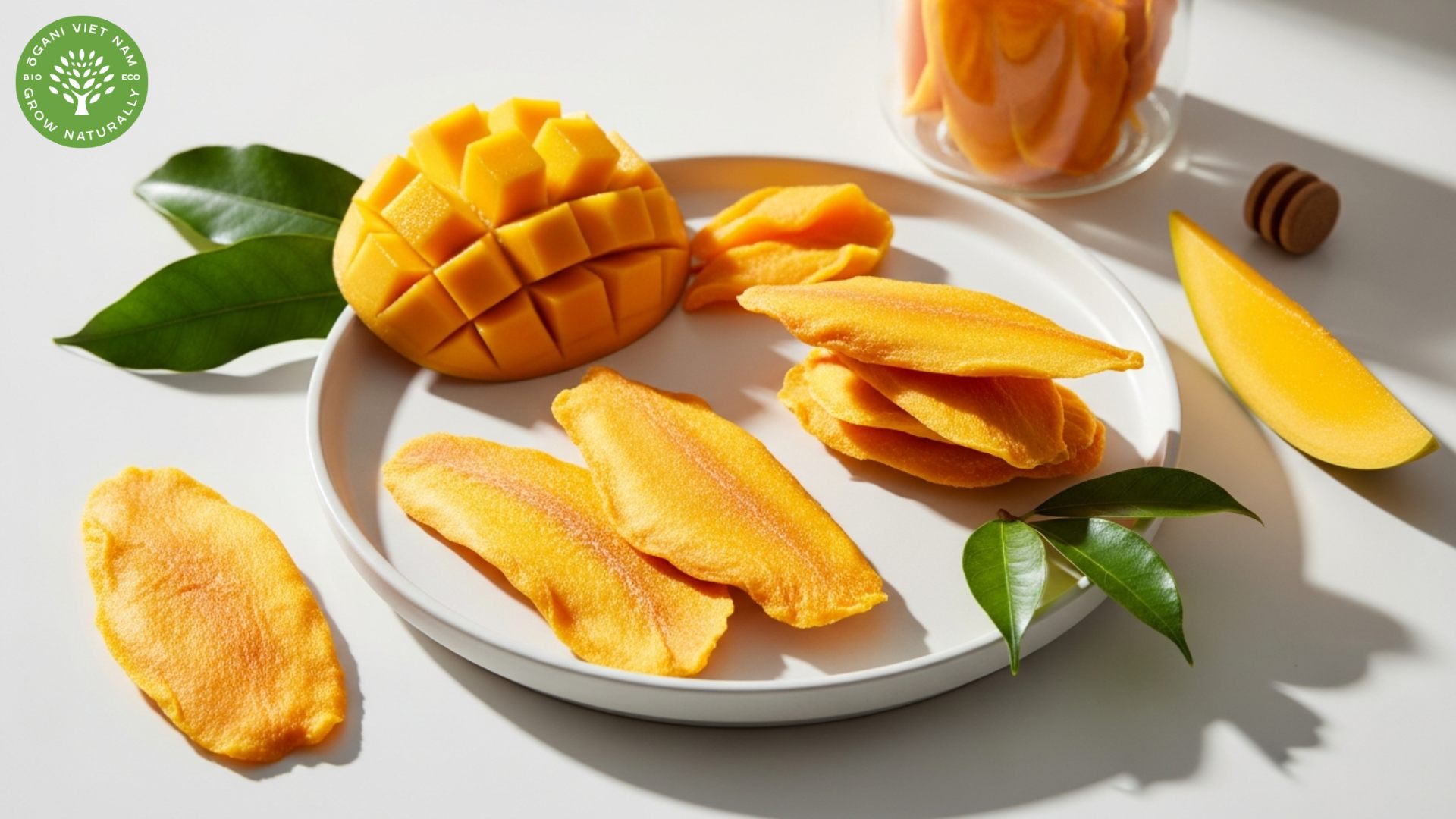
What is dried mango good for? It’s excellent for boosting your immune system, improving digestion, and providing essential vitamins like A and C. At Ogani VN, we’ve seen countless customers discover that this sweet, chewy snack isn’t just delicious—it’s packed with fiber, antioxidants, and minerals that support overall wellness.
What is dried mango good for in your daily nutrition? The real question isn’t whether it offers benefits (it absolutely does), but rather how to enjoy it smartly. Because here’s the thing: while fresh mango loses some water content during drying, what remains becomes concentrated nutrition. Think of it like nature’s own supplement, wrapped in golden, sun-kissed slices.
What is dried mango good for: Nutritional benefits explained
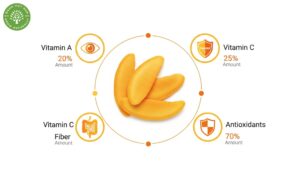
When you bite into a piece of quality dried mango, you’re getting way more than just sweetness. The drying process concentrates the fruit’s natural goodness into a compact form that’s easy to carry anywhere.
A typical serving (about 40 grams) delivers approximately 128 calories, but don’t let that number fool you. Those calories come with significant nutritional value: roughly 2 grams of dietary fiber, substantial amounts of vitamin A supporting eye health, and enough vitamin C to give your immune system a proper boost. We’ve noticed that many of our customers at Ogani VN initially worry about the calorie count, then realize they’re replacing processed snacks with something genuinely nourishing.
The vitamin A content deserves special mention. One serving can provide around 10% of your daily requirement—not bad for a snack you can toss in your bag. This essential nutrient doesn’t just help you see better in dim light; it plays crucial roles in cell growth and maintaining healthy skin. And because dried mango retains much of its beta-carotene (the precursor to vitamin A), you’re essentially getting nature’s own vision support system.
Antioxidants in dried mango work quietly behind the scenes, fighting oxidative stress that ages your cells. Compounds like mangiferin and various polyphenols help neutralize free radicals. Some customers tell us they started eating dried mango for the taste, stayed for the sustained energy, and eventually noticed their skin looking clearer. Coincidence? Maybe. But consistent nutrition has a way of showing up in unexpected places.
What is dried mango good for your health: Key benefits

Digestive support you can feel
That dietary fiber we mentioned? It’s not just a number on a nutrition label. Fiber keeps your digestive system running smoothly, helps you feel fuller longer, and can even support healthy cholesterol levels. Unlike fiber supplements that taste like cardboard, dried mango makes getting your daily fiber intake almost enjoyable.
We often hear from customers who’ve replaced their afternoon candy bar with a handful of our dried mango slices. The difference isn’t just about choosing “healthy”—it’s about how they feel an hour later. No sugar crash. No bloated discomfort. Just steady satisfaction.
Immune system fortification
Here’s where vitamin C earns its reputation. Your immune system needs this essential nutrient to produce white blood cells and antibodies that defend against infections. While dried mango contains less vitamin C than fresh mango (heat processing reduces some heat-sensitive nutrients), it still contributes meaningfully to your daily intake.
During cold season, some of our regular customers at Ogani VN stock up on dried mango as part of their wellness routine. They’re not claiming it’s a cure-all, but they appreciate having a snack that actually supports their health goals instead of working against them.
Skin health from the inside out
Both vitamin A and vitamin C play essential roles in collagen production and skin repair. Antioxidants protect skin cells from damage caused by environmental stressors. The result? Some people notice their complexion improving after consistently including nutrient-dense snacks like dried mango in their diet.
One of our customers, a yoga instructor, swears that switching to dried mango for her post-practice snack made a visible difference in her skin’s texture within weeks. We can’t guarantee everyone will see the same results, but the nutritional science supports the possibility.
Understanding the natural sugar content
Let’s be honest about something the internet loves to debate: dried mango contains concentrated natural sugar. When water evaporates during the drying process, sugars become more concentrated per gram. A small bag might contain 20-30 grams of sugar, which sounds alarming until you consider context.
This is naturally occurring fructose, not added refined sugar. Your body processes it differently than the sugar in candy. That said, portion control matters. Eating an entire bag in one sitting will spike your blood sugar just like any concentrated carbohydrate source would.
At Ogani VN, we recommend treating dried mango as what it is: a wholesome snack that deserves respect, not a free-for-all because it’s “natural.” A reasonable serving might be 5-7 pieces, enough to satisfy your sweet craving while delivering actual nutrition. Mix it with nuts for balanced snacking—the protein and healthy fats slow down sugar absorption.
Some people with diabetes or blood sugar concerns ask us if they should avoid dried mango entirely. We’re not doctors, so we always suggest consulting their healthcare provider. But generally speaking, enjoyed in moderation as part of a balanced diet, dried mango can fit into most eating plans. The key word being “moderation,” which admittedly isn’t easy when something tastes this good.
What is dried mango good for in your daily routine
Beyond eating it straight from the bag (though there’s absolutely nothing wrong with that), dried mango proves surprisingly versatile. Chop it into your morning oatmeal for natural sweetness and chewy texture. Blend it into smoothies for tropical flavor and extra fiber. Add it to trail mix with almonds, walnuts, and dark chocolate chips.
Some of our more adventurous customers at Ogani VN dice dried mango into salads—the sweet-tart contrast works beautifully with bitter greens and tangy vinaigrette. Others simmer pieces in water to rehydrate them partially, then use the fruit in baked goods and the mango-infused water in beverages.
For kids, dried mango makes an excellent lunchbox addition. It doesn’t bruise like fresh fruit, doesn’t require refrigeration, and most children actually eat it (unlike that apple that comes home untouched). Plus, you’re sneaking essential minerals and vitamins into their day without a fight.
The timing of consumption can matter too. Dried mango works great as a pre-workout snack because those natural sugars provide quick energy. Post-workout, pair it with protein to aid recovery. Mid-afternoon, it conquers the energy slump without the caffeine jitters.
Selecting quality dried mango that delivers results
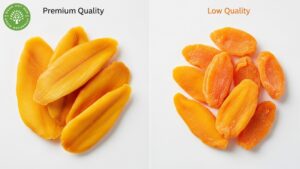
Not all dried mango is created equal. Some brands add excessive sugar (check the ingredient list—if “sugar” appears, that’s added on top of the natural sugars). Others use sulfites for preservation, which some people prefer to avoid. At Ogani VN, we believe dried mango should have one ingredient: mango.
The color tells you something too. Naturally dried mango tends toward golden-brown or deep amber, not bright neon orange. That artificial coloring might look appealing but adds nothing beneficial. Texture matters as well—quality dried mango should be pliable and slightly sticky, not rock-hard or overly dry.
Organic dried mango costs more, but you’re avoiding pesticide residues. For something you might eat regularly, that premium seems worth it. We’ve had customers taste-test conventional versus organic side by side and report the organic version tastes cleaner, less chemical-ish. Your mileage may vary, but quality ingredients produce quality snacks.
Storage affects longevity and flavor. Keep dried mango in an airtight container, somewhere cool and dark. Refrigeration extends shelf life even further. Properly stored, it can last months, though in our experience, a good batch rarely survives that long.
Frequently Asked Questions
Is it okay to eat dried mango every day?
Yes, in moderate portions. A small handful daily can contribute to your fruit intake and provide beneficial nutrients. Just watch your overall sugar consumption from all sources throughout the day.
Does dried mango have the same nutrition as fresh mango?
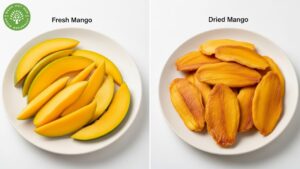
Similar, but with differences. Drying reduces some heat-sensitive nutrients like vitamin C, but concentrates others like fiber per gram. Fresh mango has more water content and slightly different nutritional profile per serving.
Can dried mango help with constipation?
The fiber content can support digestive regularity. However, because dried mango is dehydrated, make sure you’re drinking plenty of water alongside it for the fiber to work effectively.
How much dried mango is too much?
This varies by individual, but a reasonable daily limit might be 40-50 grams (about 1.5 ounces). More than that and you’re consuming quite a bit of concentrated sugar, regardless of it being natural.
Is dried mango good for weight loss?
It can be part of a weight management plan as a satisfying snack that’s portion-controlled. The fiber helps with satiety. However, it’s calorie-dense, so measure your portions rather than eating mindlessly from the bag.
Why dried mango deserves a spot in your diet
Dried mango offers genuine health benefits—from immune support through vitamin C to digestive wellness via dietary fiber. The antioxidants protect your cells, the minerals support various bodily functions, and frankly, it tastes phenomenal. But like any concentrated food, respect it enough to enjoy it mindfully.
At Ogani VN, we’ve dedicated ourselves to sourcing the highest quality dried mango because we believe snacking shouldn’t mean compromising your health. Our organic dried mango contains nothing but pure, sun-dried fruit—no added sugars, no preservatives, just honest nutrition.
Ready to experience the difference that quality makes? Browse our selection of premium dried mango and discover why thousands of Vietnamese customers trust Ogani VN for their healthy snacking needs. Your body deserves real food that actually nourishes it. Start your journey toward better snacking today—visit our store or contact us for recommendations tailored to your specific health goals.
Read more:
- Baking With Dried Red Dragon Fruit: Breads, Muffins & Cookies
- Dried Red Dragon Fruit vs Fresh: Color, Nutrition & When to Use Each
- Red Dragon Fruit Dried: Your Complete Buying Guide
- Dried Mango Fibre Content: What You Need to Know