

Unsulphured dried fruit is fruit that has been naturally dehydrated without the addition of sulfur dioxide (SO2) or any sulfite preservatives during processing. Unlike conventional dried fruits that use chemical preservatives to maintain bright colors and extend shelf life, unsulphured varieties retain their natural appearance and flavor through simple air-drying methods.
At Ogani VN, we specialize in providing naturally preserved dried fruits, and we’ve noticed many customers asking about the “unsulphured” label on our products. It’s a fair question—when you’re choosing snacks for your family, you want to know exactly what you’re getting. Let’s dive into what this term really means and why it matters for your health.
What does unsulphured dried fruit mean in simple terms?

When fruit is dried naturally without chemical intervention, it undergoes a simple dehydration process that removes water content while preserving nutrients. The absence of sulfur dioxide means the fruit develops its authentic color and taste profile.
You’ll notice that unsulphured dried fruit often looks quite different from what you might see in conventional supermarkets. Dried apricots, for instance, turn a rich brown color instead of staying bright orange. This darker appearance isn’t a defect—it’s actually the fruit’s natural state after the water evaporates. The transformation happens because enzymes in the fruit interact with oxygen during drying, a process called enzymatic browning.
The texture tends to be softer and slightly chewier. Many people at Ogani VN tell us they prefer this authentic mouthfeel because it feels more like eating real fruit rather than candy. The flavor? Often sweeter and more concentrated than you’d expect, since there are no chemical preservatives masking the fruit’s natural sugars.
What does unsulphured dried fruit mean compared to sulphured options?
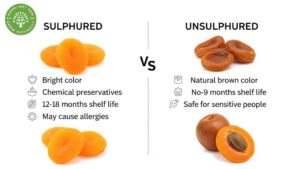
Here’s where things get interesting. Conventional dried fruit manufacturers add sulfur dioxide for three main reasons: preserving vibrant colors, preventing microbial growth, and extending shelf life significantly. The chemical works by inhibiting oxidation and killing bacteria, which is why sulphured apricots stay bright orange for months.
Sulphured dried fruit typically contains E 220 (the European code for sulfur dioxide) or similar sulfite compounds listed in the ingredients. These preservatives keep the fruit looking fresh-picked even after sitting on shelves for extended periods. However, this comes with trade-offs that health-conscious consumers should understand.
In contrast, unsulphured varieties rely on natural preservation methods. We dry our fruits slowly at controlled temperatures, allowing the natural sugars to concentrate while maintaining nutritional integrity. The process takes longer and requires more careful handling, but the result is a product free from chemical additives.
The shelf life difference is notable. While sulphured dried fruit can last 12-18 months easily, unsulphured dried fruit typically stays fresh for 6-9 months when stored properly. At Ogani VN, we see this shorter window as a positive—it encourages fresher consumption and reduces the need for artificial preservation.
One thing people rarely mention: the taste difference is substantial. Sulphured fruits often have a slightly sharp, almost metallic aftertaste that some describe as “chemical-y.” Unsulphured versions taste cleaner, allowing the fruit’s natural sweetness and subtle flavor notes to shine through.
What does unsulphured dried fruit mean for your health?
Let’s talk about why choosing unsulphured matters for your wellbeing. Sulfur dioxide, while approved by food safety authorities, can trigger adverse reactions in certain individuals. People with asthma or sulfite sensitivity may experience symptoms ranging from mild headaches to serious respiratory distress.
The percentage isn’t small—studies suggest up to 5-10% of asthmatics show sensitivity to sulfites. If you’ve ever felt wheezy or developed a headache after eating dried apricots or raisins, this might be why. Removing this preservative from your diet eliminates that risk entirely.
Beyond allergy concerns, unsulphured dried fruit offers peace of mind for parents and health-conscious eaters. You’re consuming fruit in its most natural form, with only water removed. The vitamins, minerals, and antioxidants remain intact without chemical interference. Organic certification actually requires dried fruit to be unsulphured, which tells you something about the natural food movement’s priorities.
We’ve had customers at Ogani VN report better digestion and less bloating when they switched to our unsulphured products. While this is anecdotal rather than scientific, it makes sense—your body recognizes and processes natural foods more efficiently than chemically treated alternatives.
The fiber content remains high, supporting gut health and helping regulate blood sugar despite the concentrated natural sugars. Iron absorption may actually be better with unsulphured fruits since sulfites can interfere with certain mineral uptake in your digestive system.
How to identify what unsulphured dried fruit means on labels
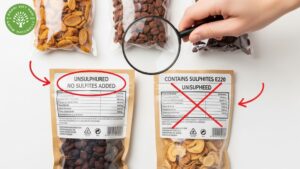
Reading labels carefully is your first line of defense. Look for clear statements like “unsulphured,” “no sulfites added,” or “sulfite-free” on packaging. In Europe, check the ingredients list—if you see “Contains sulphites” or “E 220,” that fruit has been treated with sulfur dioxide.
Color provides an immediate visual clue. Natural dried apricots appear brown or tan, not bright orange. Dried pineapple turns golden-brown rather than staying sunshine yellow. Raisins look dark and wrinkled (which they naturally are), not plump and uniform. This darker appearance might seem less appealing at first, but once you understand it represents purity, your perspective shifts.
Organic certification serves as a reliable indicator. Certified organic dried fruit cannot legally contain sulfur dioxide or other synthetic preservatives. When you see that organic seal, you’re guaranteed to be getting an unsulphured product.
At Ogani VN, we clearly label all our products and provide transparency about our drying process. We believe you deserve to know exactly what you’re eating, which is why we include detailed information about sourcing and preparation methods on every package.
The texture test works too. Unsulphured dried fruit feels softer, more pliable, and less rubbery than heavily preserved alternatives. It should feel like concentrated fruit, not like a manufactured snack product.
Frequently asked questions
Does unsulphured dried fruit go bad faster?
Yes, it does have a shorter shelf life—typically 6-9 months versus 12-18 months for sulphured varieties. Store it in airtight containers in a cool, dark place, or refrigerate after opening to maximize freshness. Some people even freeze portions for longer storage.
Is unsulphured dried fruit more expensive?
Often slightly more, yes. The careful handling, slower drying process, and higher quality fruit required for natural preservation do increase production costs. However, we at Ogani VN believe the health benefits and superior taste justify the modest price difference.
Can I use unsulphured dried fruit in baking?
Absolutely! It works beautifully in baked goods, trail mixes, and homemade granolas. The softer texture actually makes it easier to incorporate into doughs and batters. Just remember it may darken your final product slightly, which is perfectly normal.
Why are my unsulphured apricots brown?
That’s their natural color after drying without chemical intervention. The enzymatic browning that occurs during dehydration is the same process that turns a cut apple brown when exposed to air—completely natural and harmless.
Making the switch to naturally preserved dried fruit

Understanding what unsulphured dried fruit means empowers you to make informed choices for yourself and your family. It’s fruit in its purest form—simply dried, nothing added, nothing artificial. The natural colors might surprise you at first, but they represent authenticity and quality.
At Ogani VN, we’re committed to bringing you the finest naturally dried fruits without compromises. Our unsulphured dried fruit selection includes mangoes, apricots, figs, and dates—all processed with care to preserve maximum nutrition and flavor. We invite you to experience the difference that natural preservation makes.
Ready to try truly natural dried fruit? Browse our collection of premium unsulphured products at Ogani VN today. Your body will thank you for choosing real food without the chemicals. Contact us for recommendations tailored to your taste preferences and dietary needs—we’re here to help you discover snacking the way nature intended.
Read more:
- Baking With Dried Red Dragon Fruit: Breads, Muffins & Cookies
- Dried Red Dragon Fruit vs Fresh: Color, Nutrition & When to Use Each
- Dragon Fruit Powder: Unlocking Ít Superfood Potential for Health and Wellness.
- Red Dragon Fruit Dried: Your Complete Buying Guide
- What Does Unsulphured Dried Fruit Mean? A Complete Guide