


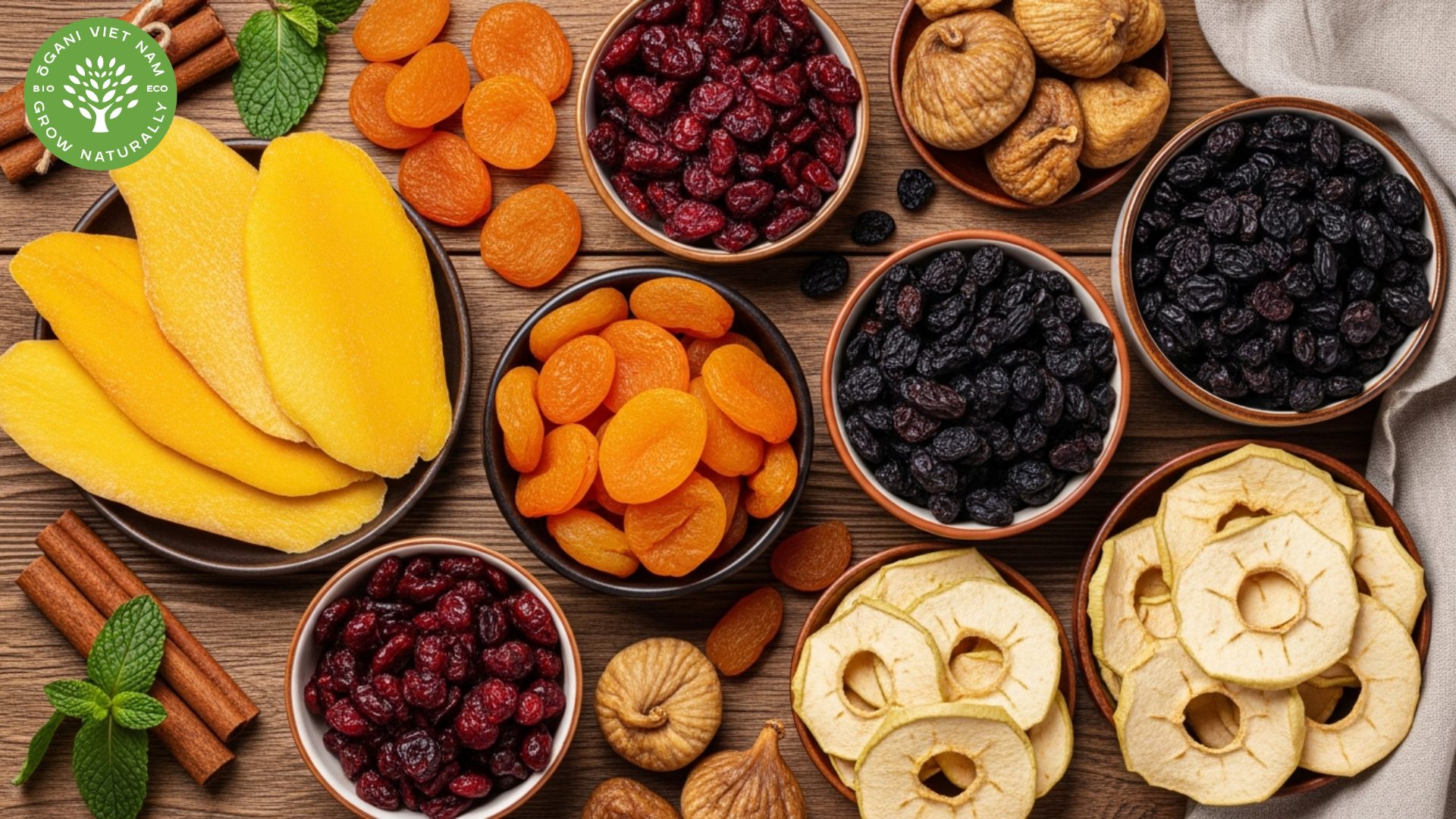
Uses of dried fruits extend far beyond simple snacking—these concentrated powerhouses serve as natural sweeteners in baking, nutrient boosters in breakfast bowls, flavor enhancers in savory dishes, and convenient energy sources for active lifestyles. At Ogani VN, we’ve watched our customers discover creative applications daily, from adding dried mangoes to their morning oatmeal to incorporating dried figs in their holiday cooking.
Health-focused uses of dried fruits for daily nutrition
Here’s something we’ve noticed after years in the organic food business: people often underestimate what dried fruits bring to the table nutritionally. When you remove the water content from fresh fruit, you’re left with a concentrated source of vitamins, minerals, and fiber that punches well above its weight.
Take dietary fiber, for instance. A handful of dried apricots delivers about 3 grams of fiber—that’s roughly 12% of your daily needs in just a few bites. This fiber doesn’t just keep your digestive system running smoothly; it helps regulate blood sugar levels and keeps you feeling satisfied longer. We’ve had customers tell us they’ve replaced their mid-afternoon candy bar with a small portion of our dried fruits and noticed they don’t get those energy crashes anymore.
The antioxidant content deserves special mention. These compounds—polyphenols, flavonoids, and carotenoids—help your body fight oxidative stress. Dried cranberries and raisins are particularly rich in these protective compounds. Several clinical studies have shown that regular consumption can improve cardiovascular risk factors, including cholesterol levels and blood pressure. It’s not magic; it’s just good nutrition working as nature intended.
What really excites us at Ogani VN is the micronutrient density. Dried fruits pack significant amounts of potassium, iron, and B vitamins into compact servings. For people who struggle to eat enough fresh produce throughout the day, incorporating uses of dried fruits into their routine can help fill those nutritional gaps without much effort. Research indicates that eating three to five servings per week is associated with lower risk of certain cancers, including bladder, colon, and pancreatic cancers.
Culinary uses of dried fruits in cooking and baking

Morning energy boosters
Your breakfast routine is probably the easiest place to start experimenting. We’ve compiled feedback from hundreds of customers, and the morning bowl—whether it’s oatmeal, yogurt, or smoothie—consistently ranks as the top use case.
Dried fruits bring natural sweetness without processed sugar, plus they rehydrate slightly when mixed with moisture from yogurt or warm oatmeal, creating pleasant texture contrasts. Try chopping dried dates into your overnight oats, or blending dried mangoes into your morning smoothie. The natural sugars provide quick energy right when your body needs it most, while the fiber slows down absorption so you don’t spike and crash.
One technique we love: soaking dried fruits in warm water or juice for 10-15 minutes before adding them to recipes. This simple step makes them plumper and easier to incorporate into batters or doughs. Freeze-dried varieties are particularly good for smoothies since they retain more nutrients and blend smoothly.
Baking and dessert enhancements
This is where things get really interesting. Professional bakers have known for years what home cooks are just discovering—dried fruits can replace refined sugar while adding complexity to flavor profiles.
In cookies, cakes, and breads, chopped dried apricots or cranberries add bursts of concentrated sweetness and chewy texture. We’ve seen customers reduce the sugar in their recipes by 30-40% simply by incorporating dried fruits. The natural pectin in fruits like dates and figs also helps maintain moisture in baked goods, keeping them fresh longer.
For pastries and desserts, dried fruits shine. Think fig tarts, apricot galettes, or traditional fruitcakes where raisins and currants are essential. You can also grind dried dates into a paste that works beautifully as a binding agent in energy balls or raw desserts—no baking required.
Savory cooking applications
Here’s where most people haven’t explored enough. The uses of dried fruits in savory dishes create flavor depth that’s hard to achieve otherwise. That sweet-savory balance you get in Moroccan tagines or Indian curries? Often comes from dried apricots or raisins.
We recommend adding dried cranberries to grain salads for tartness, or tossing dried cherries into roasted Brussels sprouts. Middle Eastern cuisine has perfected this—rice pilaf with golden raisins and slivered almonds, lamb stews with dried apricots. The fruits rehydrate during cooking, absorbing the savory flavors while releasing their natural sweetness.
One underrated application: chopped dried fruits in stuffing or dressing for poultry. The combination of herbs, bread, and sweet fruit creates layers of flavor that make holiday meals memorable.
Practical uses of dried fruits for active lifestyles
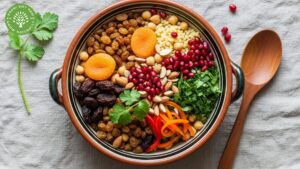
Athletes and fitness enthusiasts have caught onto something important: timing matters when consuming dried fruits. The concentrated natural sugars make them ideal pre-workout fuel or post-exercise recovery snacks.
Before a workout, dried fruits provide quick-release energy without sitting heavy in your stomach. A small handful 30-45 minutes before exercise gives you accessible glucose for performance. We’ve heard from marathon runners who pack dried mangoes or dates for long-distance training—lightweight, non-perishable, and effective.
The potassium content also helps with muscle function and preventing cramps. Dried apricots are particularly high in this essential mineral. After workouts, pairing dried fruits with nuts gives you that sweet-salty combination plus protein for recovery.
For busy professionals constantly on the move, keeping a small container of mixed dried fruits in your bag beats hitting the vending machine. You get sustained energy without the crash that comes from candy bars or chips. Just watch your portions—because the water is removed, it’s easy to consume more calories than you’d get from fresh fruit.
Creative uses of dried fruits beyond the kitchen

Homemade trail mix and snack blends
One of our most popular products at Ogani VN is our DIY trail mix station, where customers create custom blends. The beauty of this approach is personalization—you control the ratios, flavors, and ingredients.
Start with a base of your favorite dried fruits: mangoes, cranberries, raisins, or apricots. Add raw or roasted nuts for protein and healthy fats. Throw in some seeds—pumpkin or sunflower work great—for extra crunch. Some customers like adding dark chocolate chips or coconut flakes for indulgence.
The uses of dried fruits in portable snacks solve real problems: no refrigeration needed, long shelf life, and sustained energy. Parents love packing these for school lunches. Hikers rely on them for backcountry nutrition. Office workers keep jars at their desks for afternoon pick-me-ups.
Beverage infusions and cocktails

This might surprise you, but dried fruits make excellent additions to drinks. Rehydrated in hot water, they create naturally sweet herbal teas. We’ve experimented with dried apple slices in cinnamon tea, or dried peaches in black tea for a fruity twist.
For cocktails, bartenders are getting creative. Dried cherries muddled in an old-fashioned add depth. Dried cranberries steeped in vodka create homemade flavored spirits. Even in non-alcoholic beverages, adding dried fruits to sparkling water with fresh herbs makes sophisticated mocktails.
Some of our health-conscious customers soak dried fruits overnight in water, then drink the naturally sweetened, vitamin-infused liquid in the morning. It’s gentler than juice but still flavorful.
Gift-making and decorative purposes
Around holidays, uses of dried fruits expand into crafts and gift-giving. Dried orange slices make beautiful natural ornaments or garland additions. Dried cranberries strung on thread create festive decorations.
For homemade gifts, assembling jars of premium dried fruits with recipe cards shows thoughtfulness. We’ve seen customers create “pancake kits” with dried blueberries, whole grain mix, and maple syrup. Or “cozy night” packages with dried fruits, nuts, and artisanal tea.
The visual appeal shouldn’t be underestimated either. A clear jar filled with colorful dried fruits—golden mangoes, ruby cranberries, deep purple plums—looks gorgeous on kitchen shelves and makes a statement about healthy living.
Frequently Asked Questions
When is the best time to eat dried fruits?
Dried fruits work best in the morning or before physical activity when your body can efficiently use the natural sugars for energy. Avoid consuming large quantities late at night as the sugar content might interfere with sleep. Pairing them with protein or healthy fats helps slow sugar absorption.
How much dried fruit should I eat daily?
A typical serving is about 1/4 cup or roughly 40 grams. This provides nutritional benefits without excessive calories. Remember that dried fruits are more calorie-dense than fresh fruits since the water is removed. Three to five servings per week offers health benefits according to recent research.
Are freeze-dried fruits better than traditionally dried fruits?
Freeze-dried fruits retain more water-soluble vitamins and nutrients compared to heat-dried varieties, and they maintain their original shape and color better. However, traditionally dried fruits often have a chewier texture that many people prefer. Both offer valuable nutrition; choose based on your intended use.
Can dried fruits replace fresh fruits in my diet?
While dried fruits offer concentrated nutrition, they shouldn’t completely replace fresh fruits. Fresh fruits provide higher water content and typically lower calorie density. Use dried fruits as complementary additions to a balanced diet that includes plenty of fresh produce.
Do dried fruits cause blood sugar spikes?
The fiber content in dried fruits helps moderate blood sugar response, but they do contain concentrated natural sugars. People with diabetes should monitor portions carefully and consider pairing dried fruits with protein or healthy fats to further slow glucose absorption. Consulting with a healthcare provider about individual dietary needs is always wise.
Start exploring these versatile options today
The uses of dried fruits we’ve covered demonstrate just how adaptable these ingredients can be in your daily routine. From boosting your morning nutrition to enhancing dinner recipes, from fueling your workouts to creating thoughtful homemade gifts, dried fruits deserve a permanent spot in your pantry.
At Ogani VN, we’re passionate about providing premium organic dried fruits that maintain their natural goodness without unnecessary additives or preservatives. Whether you’re looking to improve your diet, experiment with new recipes, or simply enjoy convenient healthy snacks, our selection offers something for every need.
Ready to transform how you think about dried fruits? Browse our collection of organic dried mangoes, apricots, cranberries, and more. Each product comes with recipe suggestions and storage tips to help you get the most value. Have questions about which varieties suit your lifestyle best? Our team is here to help—reach out and let’s find the perfect dried fruits for your goals.
Read more:
- Baking With Dried Red Dragon Fruit: Breads, Muffins & Cookies
- Dried Red Dragon Fruit vs Fresh: Color, Nutrition & When to Use Each
- Dragon Fruit Powder: Unlocking Ít Superfood Potential for Health and Wellness.
- Red Dragon Fruit Dried: Your Complete Buying Guide
- Versatile Uses of Dried Fruits: Your Complete Guide