


Sweet dried fruit is nature’s perfect snack – concentrated bursts of flavor packed with nutrients, fiber, and natural sugars that satisfy your cravings without the guilt. At Ogani VN, we’ve spent years sourcing the finest dried fruits from around the world, and we’re here to share everything you need to know about these chewy, delicious treats that have been sustaining travelers, athletes, and snack-lovers for centuries.
Why sweet dried fruit is nature’s perfect snack

Here’s the thing – when you remove water from fresh fruit, something magical happens. The natural sugars become concentrated, the flavors intensify, and you’re left with a portable snack that can last for months. But not all dried fruits are created equal, and understanding the difference can completely change your snacking game.
Sweet dried fruit comes in two main varieties: naturally sweet and sweetened. Naturally sweet options like raisins, dates, and dried figs rely entirely on their inherent sugar content. When we dehydrate these fruits at Ogani VN, we’re simply removing the water – nothing added, nothing taken away except moisture. The result? Pure, concentrated fruit flavor that tastes like sunshine in every bite.

On the other hand, sweetened dried fruit like cranberries, cherries, or tropical varieties often need a little help. These fruits are naturally tart or sour, so producers add a touch of cane sugar or fruit juice to balance the flavors. There’s nothing wrong with this approach – it makes otherwise mouth-puckeringly sour fruits into delightful treats. The key is knowing what you’re getting and choosing based on your dietary needs.
I remember the first time I tried a truly premium dried apricot from Turkey – it was like tasting apricots for the first time all over again. The difference between mass-produced and carefully sourced dried fruit is night and day, and that’s why we’re so particular about our suppliers at Ogani VN.
Popular types of sweet dried fruit worth trying
The world of dried fruit is incredibly diverse, and each variety brings something special to the table. Let me walk you through some of the most beloved options we carry.
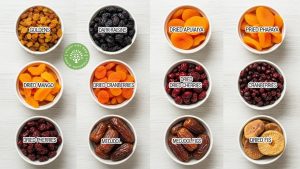
Raisins and dried grapes
Raisins might seem basic, but they’re the foundation of the dried fruit world. Golden raisins, dark raisins, sultanas – each has a distinct sweetness level and texture. We source our raisins from Chilean and Californian vineyards where the grapes are sun-dried naturally. They’re perfect for trail mix, baking, or just grabbing a handful when you need quick energy.
Tropical varieties
Dried mango, papaya, and pineapple bring that vacation vibe to your snack bowl. These tropical dried fruits are typically sweetened slightly because the drying process can make them a bit tough otherwise. The result is a chewy, intensely flavored treat that reminds you of lazy beach days. Our dried banana chips – both sweetened and unsweetened – are a customer favorite, crispy yet satisfying.
Stone fruits and berries
Dried apricots, peaches, plums (also called prunes), and cherries fall into this category. Apricots are naturally quite sweet and need minimal processing. Cherries and cranberries, though? They’re another story. These berries are so tart in their natural state that they’re almost always sweetened with a bit of sugar or apple juice concentrate. The balance of sweet and tart makes them addictive.
Dates and figs
If you want nature’s candy in its purest form, dates are your answer. Medjool dates, in particular, are so sweet and caramel-like that people often can’t believe they’re just fruit. Dried figs, with their subtle sweetness and slight crunch from the seeds, offer a more sophisticated flavor profile. Both are excellent for energy balls or as natural sweeteners in recipes.
Sweet dried fruit: health benefits you need to know
Let’s talk about the elephant in the room – are sweet dried fruits actually healthy? The answer is yes, but with some important caveats that nobody talks about enough.

Dried fruits pack a serious nutritional punch. They’re loaded with fiber, which helps with digestion and keeps you feeling full. They contain essential minerals like potassium, iron, and magnesium. Many varieties offer significant amounts of antioxidants that protect your cells from damage. A handful of dried apricots can provide a substantial portion of your daily vitamin A needs.
But here’s where it gets tricky – the concentration process that makes dried fruit so flavorful also concentrates the sugars. A cup of grapes might have 15 grams of sugar, but a cup of raisins can have 100 grams or more. Does this mean dried fruit is bad? Absolutely not. It just means portion control matters.
At Ogani VN, we always recommend treating dried fruit as a concentrated energy source rather than something to eat by the bucketful. A small handful (about a quarter cup) makes an excellent snack. Mix it with nuts for better balance, or use it to sweeten your morning oatmeal instead of adding refined sugar.
The key distinction between sweetened and unsweetened varieties matters here too. If you’re watching your sugar intake, stick with naturally sweet options like dates or unsweetened raisins. Save the sweetened cranberries for special occasions or use them sparingly in recipes.
How to choose and store sweet dried fruit properly

After years in this business, I’ve learned that not all dried fruit is created equal. The difference between mediocre and exceptional comes down to several factors.
First, look at the ingredient list. The best dried fruits have one ingredient: fruit. Maybe a preservative like sulfur dioxide (which keeps apricots bright orange instead of brown), but that’s it. If you see multiple added sugars, oils, or artificial colors, you’re not getting the real deal.
Texture tells you everything about freshness. Quality sweet dried fruit should be pliable, not rock-hard. If you bend it slightly, it should give without cracking. Rock-hard dried fruit means it’s either old or was over-processed. Too moist and sticky? It might have too much added sugar or could develop mold quickly.
Color is another giveaway. Naturally dried apricots turn brownish – if they’re bright orange, they’ve been treated with sulfites (not necessarily bad, just worth knowing). Raisins should look wrinkled but not dusty or whitish.
Storage is simpler than most people think. Keep your dried fruit in an airtight container in a cool, dark place, and it’ll last for months. We recommend glass jars or quality plastic containers with tight seals. Once opened, dried fruit can last 6-12 months at room temperature, or even longer in the refrigerator. If you buy in bulk from us at Ogani VN, consider dividing large quantities into smaller containers to minimize air exposure.
One trick we love: if your dried fruit has gotten a bit too hard, place it in a container with a slice of fresh apple overnight. The moisture from the apple will rehydrate your dried fruit slightly, bringing back that perfect chewy texture.
Creative ways to enjoy sweet dried fruit daily
The versatility of dried fruit constantly surprises people. Sure, you can eat it straight from the bag, but why stop there?
For breakfast, chop up dried apricots, figs, or dates and stir them into your oatmeal or yogurt. They’ll soften slightly and release their natural sweetness, eliminating the need for added sugar. We love mixing dried cranberries with granola and a dollop of Greek yogurt for a breakfast that feels indulgent but powers you through the morning.

Baking is where dried fruit really shines. Raisins in cookies are classic, but have you tried dried cherries in scones? Or chopped dried mango in banana bread? The concentrated sweetness and chewy texture add complexity to any baked good. At Ogani VN, we’ve been experimenting with using pureed dates as a replacement for refined sugar in recipes – the results are incredible.
Trail mix is the obvious choice, but make your own instead of buying pre-made versions. Combine your favorite dried fruits with raw nuts, dark chocolate chips, and maybe some coconut flakes. Suddenly you have a custom snack blend that costs a fraction of store-bought versions and tastes infinitely better.
For savory applications, dried fruits bring an unexpected depth. Moroccan tagines use dried apricots and raisins to balance rich, spiced meats. Chopped dried cranberries add brightness to grain salads. We’ve even seen chefs use dried figs in cheese boards, paired with sharp cheddar or creamy brie.
Lastly, dried fruit makes the ultimate travel companion. It doesn’t bruise, doesn’t need refrigeration, and provides quick energy. We always recommend our customers pack some when hiking, traveling, or even just keeping a stash in their desk drawer for afternoon slumps.
Frequently Asked Questions
Is sweet dried fruit healthy for weight loss?
Dried fruit can fit into a weight loss plan, but portion control is crucial. The concentrated sugars and calories mean a little goes a long way. Stick to small servings (about 1/4 cup) and pair with protein or healthy fats to stabilize blood sugar and increase satiety.
What’s the difference between naturally sweet and sweetened dried fruit?
Naturally sweet varieties like raisins, dates, and dried figs contain only their inherent sugars. Sweetened versions, such as dried cranberries or cherries, have added sugar or fruit juice concentrate because they’re naturally too tart to enjoy otherwise.
How long does sweet dried fruit last after opening?
When stored properly in an airtight container in a cool, dark place, opened dried fruit lasts 6-12 months. Refrigeration can extend this to over a year. Signs of spoilage include mold, off odors, or an unusually hardened texture.
Can diabetics eat sweet dried fruit?
Diabetics can enjoy dried fruit in moderation, but should monitor portions carefully due to the concentrated natural sugars. Pairing dried fruit with nuts or cheese can help slow sugar absorption. Always consult with a healthcare provider about individual dietary needs.
What are the best sweet dried fruits for energy?
Dates, raisins, and dried apricots are excellent energy sources due to their natural sugar content and easily digestible carbohydrates. Many athletes rely on dried fruit for quick fuel during endurance activities.
Start your sweet dried fruit journey with Ogani VN
Sweet dried fruit represents one of nature’s most perfect creations – shelf-stable, nutrient-dense, and delicious enough to satisfy any sweet tooth. Whether you’re reaching for naturally sweet dates or slightly sweetened cranberries, you’re choosing a snack that’s been sustaining humanity for thousands of years.
At Ogani VN, we’re passionate about bringing you the highest quality dried fruits from around the world. We taste-test every batch, work directly with trusted suppliers, and never compromise on quality. Our commitment is simple: provide you with dried fruit that’s as close to nature as possible, with transparency about what’s been added and why.
Ready to explore the wonderful world of premium dried fruit? Browse our collection at Ogani VN today and discover your new favorite snack. Have questions about which varieties might work best for your needs? Our team is always here to help – reach out to us and let’s find your perfect match. Your taste buds (and your body) will thank you.
Read more:
- Is Organic Dried Mango Good For You? Health Benefits Revealed
- Best Dried Mango No Sugar Added: Premium Quality Guide
- Calories In Dried Mango No Sugar Added: Complete Nutrition Guide
- Are Dried Mangoes Good For You? The Complete Health Guide
- Pink Pitaya Benefits: Your Complete Wellness Guide