

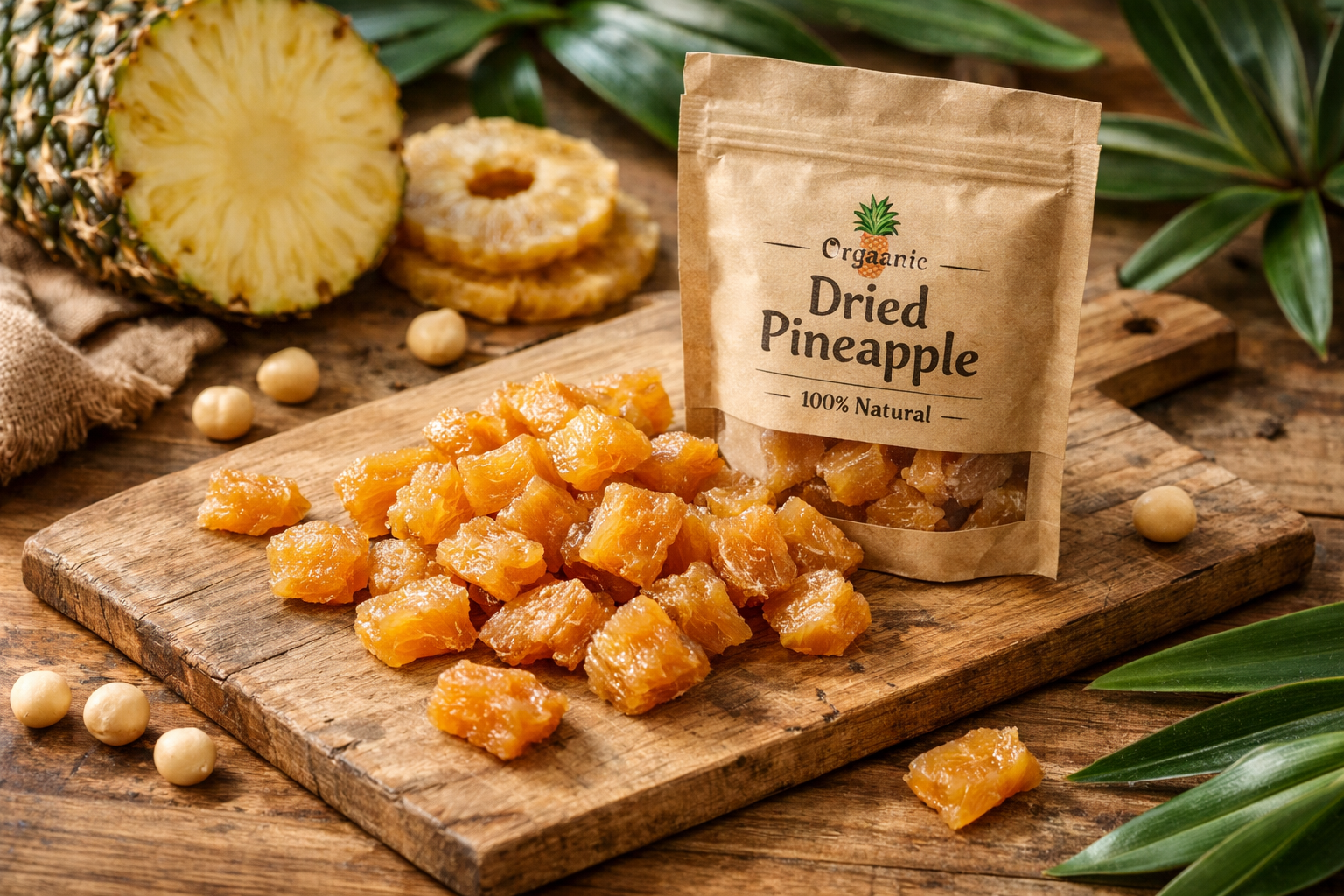
Soft dried pineapple is exactly what it sounds like — real pineapple, gently dehydrated until chewy, sweet, and bursting with tropical flavor, without the mess of fresh fruit. At Ogani VN, we think it might be one of the most underrated snacks out there.
What makes soft dried pineapple different from regular dried fruit?
Not all dried pineapple is created equal — and that’s a hill we’re willing to die on.
Standard dried pineapple tends to be tough, overly sugary, and sometimes feels more like candy than fruit. Soft dried pineapple, on the other hand, goes through a gentler drying process — typically convection drying or low-temperature dehydration — that preserves more of the fruit’s natural moisture content. The result is a texture that’s tender and chewy rather than hard and brittle.
The difference also shows up in the ingredient list. Quality soft dried pineapple uses minimal additives — just the fruit, perhaps a pinch of salt, and sometimes a light touch of natural sweetener to balance acidity. No artificial preservatives, no sulfur dioxide coating that turns snacks an unnaturally bright yellow.
At Ogani VN, we source pineapple that’s ripened to peak sweetness before drying, so the fruit does most of the flavor work on its own.
Soft dried pineapple nutrition and health benefits worth knowing
People often assume “dried fruit” equals “sugar bomb.” It’s a fair concern — but context matters.
Soft dried pineapple retains much of the nutritional profile of fresh pineapple, including a meaningful dose of Vitamin C, manganese, and bromelain — the enzyme pineapple is famous for. Bromelain has been studied for its role in supporting digestion and reducing inflammation, which makes this more than just a sweet treat.
Here’s a quick comparison so you can see what you’re actually getting:
| Nutrient | Fresh Pineapple (100g) | Soft Dried Pineapple (30g serving) |
|---|---|---|
| Calories | ~50 kcal | ~80–95 kcal |
| Vitamin C | ~48mg | ~12–18mg |
| Fiber | ~1.4g | ~1.2g |
| Sugar | ~10g | ~14–18g |
| Bromelain | Present | Partially retained |
The sugar content is naturally higher per gram in dried fruit simply because water is removed and the fruit concentrates. A small 30g portion satisfies sweet cravings without going overboard — which is exactly why it works so well as a healthy snack substitute when candy cravings hit.
One Reddit user put it well: they described organic dried pineapple as an “amazing alternative for sweet cravings” — and honestly, we couldn’t agree more.
How to enjoy soft dried pineapple beyond just snacking
Most people buy it and eat it straight from the bag, which is completely valid. But there’s a lot more this little snack can do.
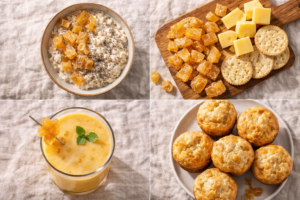
At Ogani VN, we’ve seen customers get genuinely creative with their soft dried pineapple, so here are some uses that actually work:
- Trail mix upgrade — combine with macadamia nuts, coconut flakes, and dark chocolate chips for a tropical mix that travels well
- Overnight oats topping — the natural sweetness softens further when it sits in oat milk overnight, almost like a built-in jam
- Baking ingredient — chop into small pieces and fold into muffin or scone batter; the chewy pineapple chunks hold up beautifully in heat
- Cheese board addition — pineapple and sharp cheddar or aged gouda is a combination that sounds weird until you try it once
- Smoothie booster — toss a few pieces into a blender with frozen mango and coconut water for a no-added-sugar tropical smoothie
The chewy texture is actually an advantage here. Unlike freeze-dried pineapple which crumbles into powder when handled, soft dried pieces hold their shape and add real textural contrast to whatever you’re making.
How to choose quality soft dried pineapple
This is where a little label-reading goes a long way.
When evaluating any soft dried pineapple product, there are a few things worth checking before you commit:
Check the ingredient list first
A clean product should have pineapple as the first — and ideally only — ingredient. Some brands add glucose syrup, citric acid, or artificial color to boost sweetness and appearance. None of those are necessary if the fruit was good quality to begin with. Salt in small amounts is fine and actually helps balance sweetness.
Look at the color honestly
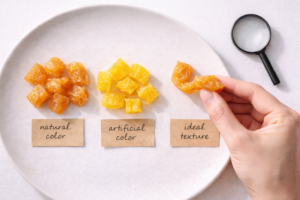
Fresh-dried pineapple has a natural golden-amber color that’s slightly irregular between pieces. If every piece is identically bright yellow, that’s often a sign of color additives or sulfur treatment. Real fruit doesn’t look that uniform.
Texture tells you about process
A piece that’s too sticky might have excessive sugar coating. A piece that snaps instead of bends was dried too aggressively. The ideal soft dried pineapple should flex gently, not crack, and feel slightly moist on the surface without being wet.
At Ogani VN, we apply these checks ourselves before a product ever makes it to the shelf — because we’ve tasted enough mediocre dried fruit to know the difference is immediately obvious.
Frequently asked questions
Is soft dried pineapple the same as dehydrated pineapple? They’re very similar but not identical. Dehydrated pineapple often refers to a more complete moisture removal process, resulting in a crispier texture. Soft dried pineapple retains more moisture intentionally, giving it that chewy, flexible bite. Both are shelf-stable but have different textures and slightly different flavor concentrations.
Does soft dried pineapple contain added sugar? It depends entirely on the brand. Some products add cane sugar or glucose syrup; others use no added sugar and rely solely on the fruit’s natural sweetness. Always check the nutrition label. At Ogani VN, we prioritize low or no added sugar formulations.
How long does soft dried pineapple last? Properly packaged in a sealed bag, soft dried pineapple typically stays fresh for 6–12 months. Once opened, store it in an airtight container in a cool, dry place and aim to finish it within 2–3 weeks. Refrigeration can extend that further if you live in a humid climate.
Is it safe for children? Yes — soft dried pineapple is a great snack option for kids, especially as an alternative to candy. The chewy texture is age-appropriate for children over 3. Just be mindful of portion size since the natural sugar content is higher than fresh fruit.
Can I eat it if I’m watching my sugar intake? In moderation, yes. A 20–30g serving is a reasonable portion. If you have diabetes or are on a strict low-sugar diet, consult your healthcare provider, but the fiber content in dried pineapple does help moderate the glycemic response compared to pure sugar.
Why soft dried pineapple deserves a permanent spot in your pantry
Soft dried pineapple gets a lot right — real tropical flavor, satisfying chewy texture, genuine nutritional value, and the kind of versatility that makes it useful beyond just snacking. It’s not a perfect food (no single food is), but as everyday snacks go, it punches well above its weight.
At Ogani VN, we believe that what you put in your body should actually taste good and come from real ingredients — not a chemistry lab. If you’re curious about our soft dried pineapple or want to explore our full range of clean, minimally processed dried fruits and superfoods, visit Oganivn.com and take a look around. Your next favorite snack might be one click away.
Read more:
- Dried Red Dragon Fruit vs Fresh: Color, Nutrition & When to Use Each
- Red Dragon Fruit Dried: Your Complete Buying Guide
- Dried Mango Fibre Content: What You Need to Know
- Soft Dried Pineapple: Sweet, Chewy, and Worth Every Bite