


Yes, dried mango is good for health when consumed in moderation. It delivers concentrated vitamins, minerals, and dietary fiber that support immune function, digestion, and overall wellness. However, the drying process concentrates natural sugars, making portion control essential for maximizing benefits while minimizing potential drawbacks.
At Ogani VN, we’ve spent years perfecting our organic dried mango products, and we understand the questions our customers ask most. This guide cuts through the confusion about dried fruit nutrition, helping you make informed choices for your health journey.
Is dried mango good for health? Understanding the nutritional profile

When fresh mango loses its water content through dehydration, the remaining nutrients become remarkably concentrated. A typical 40-gram serving of our dried mango contains approximately 120 calories, with 28-30 grams of natural carbohydrates and about 2 grams of dietary fiber.
The vitamin content stands out immediately. Dried mango provides roughly 10% of your daily vitamin A needs in a single serving, supporting eye health and immune system function. You’ll also find meaningful amounts of vitamin C, though the drying process reduces heat-sensitive nutrients compared to fresh fruit. Folate levels remain relatively stable, offering about 6-8% of daily requirements per serving.
Essential minerals like potassium, magnesium, and iron appear in concentrated form. These minerals support cardiovascular health, muscle function, and oxygen transport throughout your body. The antioxidant profile includes polyphenols and carotenoids, plant compounds that help protect cells from oxidative stress.
The sugar question deserves honest attention. Our dried mango contains no added sugar, but natural fruit sugars concentrate significantly during dehydration. What might be 15 grams of sugar in 100 grams of fresh mango becomes 60-70 grams in the same weight of dried fruit. This concentration means dried mango delivers quick energy but requires mindful portioning.
Health benefits: Why dried mango is good for your body

Digestive support through dietary fiber
The fiber content in dried mango promotes healthy digestion in several meaningful ways. Soluble fiber helps slow glucose absorption, preventing dramatic blood sugar spikes. Insoluble fiber adds bulk to stool, supporting regular bowel movements and reducing constipation risk.
We’ve noticed customers reporting improved satiety when they include small amounts of dried mango in their afternoon snacks. That fiber creates a feeling of fullness that can reduce overall calorie intake throughout the day. The prebiotic properties of certain fibers also feed beneficial gut bacteria, contributing to a balanced microbiome.
Immune system enhancement
The vitamin A and vitamin C content in dried mango directly supports immune function. Vitamin A maintains the integrity of mucous membranes in your respiratory and digestive tracts, forming your body’s first defense line against pathogens. These barrier tissues need constant vitamin A to produce protective mucus and repair damaged cells.
Vitamin C stimulates white blood cell production and enhances their pathogen-fighting ability. While drying reduces vitamin C levels compared to fresh mango, meaningful amounts remain. The antioxidants like mangiferin work alongside these vitamins, reducing inflammation that can weaken immune responses over time.
Energy provision for active lifestyles
Athletes and active individuals often ask us about dried mango as a natural energy source. The concentrated carbohydrates deliver quick fuel for physical activity without the artificial ingredients found in many sports snacks. The natural fruit sugars enter your bloodstream relatively quickly, making dried mango useful for pre-workout energy or mid-activity refueling.
However, that same rapid absorption means dried mango works best when paired with protein or healthy fats for sustained energy. Try combining it with nuts or seeds to slow sugar absorption and extend energy release throughout your workout or busy afternoon.
Is dried mango good for health despite the sugar content?

Understanding blood sugar impact matters whether you’re managing diabetes, pursuing weight loss, or simply optimizing energy levels. Fresh mango consumption shows better satiety responses and postprandial glucose control compared to its dried alternative, according to research comparing the two forms.
The glycemic load of dried mango sits in the moderate range, typically between 15-20 for a standard serving. This means blood sugar rises occur, but not as dramatically as with refined sugars or processed snacks. Individual responses vary based on metabolism, activity level, and what else you’ve eaten.
Portion control becomes your most powerful tool here. We recommend treating dried mango as a concentrated nutrient supplement rather than an unlimited snack. A serving size of 30-40 grams (about 4-6 pieces) provides nutritional benefits without overwhelming your system with sugar.
Timing matters too. Consuming dried mango alongside a meal containing protein and healthy fats slows sugar absorption. Post-workout timing can be strategic, as your muscles actively pull glucose from the bloodstream for recovery and glycogen replenishment.
Comparing forms: Is dried mango as good for health as fresh?
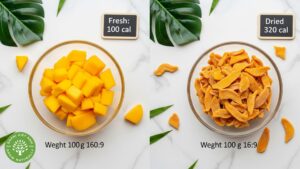
Fresh mango wins several nutritional battles due to its intact water content and undamaged heat-sensitive nutrients. A cup of fresh mango contains roughly 100 calories compared to 320 calories for the same volume of dried fruit. The water content in fresh mango contributes to hydration and creates natural portion control through volume.
Vitamin C levels drop significantly during dehydration, sometimes by 50% or more depending on drying temperature and duration. Fresh mango also triggers stronger satiety signals because the high water content fills your stomach more effectively than the same nutrients in dried form.
Yet dried mango offers practical advantages that matter in real life. Portability makes it travel-friendly for hiking, office snacks, or situations where fresh fruit spoils quickly. Shelf stability means you can stock your pantry without weekly shopping trips. The concentrated sweetness satisfies dessert cravings with actual nutrition instead of empty calories.
We see both forms as valuable in different contexts. Fresh mango belongs in your daily fruit rotation when available and convenient. Dried mango serves as your backup option for busy days, travel, or when you need concentrated nutrition in minimal space.
Making dried mango work for your health goals

Smart integration starts with honest assessment of your current eating patterns. If your diet already includes plenty of processed sugars and refined carbohydrates, dried fruit adds to that total. But if you’re replacing candy, cookies, or other low-nutrition snacks, dried mango represents a clear upgrade.
Morning yogurt bowls benefit from a tablespoon of chopped dried mango, adding natural sweetness and chewy texture without requiring added sugar. Trail mix combinations gain tropical flavor when you mix dried mango with almonds, pumpkin seeds, and a bit of dark chocolate. The fruit’s sweetness balances salty or savory elements in grain bowls and salads.
Baking applications work beautifully. Chopped dried mango adds moisture and sweetness to oatmeal cookies, energy bars, or whole grain muffins. You’ll reduce added sugar needs while incorporating actual nutrition into treats.
Rehydration expands your options. Soaking dried mango in warm water for 20-30 minutes creates a softer texture closer to fresh fruit, useful for smoothies or compotes. The soaking liquid captures some of the fruit sugars, which you can reduce by discarding the water if blood sugar management concerns you.
Listen to your body’s signals. Some people handle dried fruit beautifully, experiencing stable energy and no digestive issues. Others notice blood sugar swings or find the concentrated sweetness triggers overeating. Your individual response should guide your consumption patterns.
Frequently Asked Questions
How much dried mango should I eat per day?
Most nutritionists recommend 30-40 grams (about 4-6 pieces) as a reasonable daily portion. This amount provides nutritional benefits while keeping sugar intake manageable. Adjust based on your total daily sugar consumption and individual health goals.
Does dried mango cause weight gain?
Dried mango can contribute to weight gain if consumed in large quantities without adjusting total calorie intake. The calorie density means you consume more calories per bite compared to fresh fruit. Used as a measured snack replacing less nutritious options, it supports rather than hinders weight management.
Can diabetics eat dried mango?
Diabetics can include small amounts of dried mango in their meal plans with careful blood sugar monitoring. Pairing it with protein or healthy fats, consuming it as part of a balanced meal, and keeping portions small helps minimize blood sugar spikes. Always consult your healthcare provider about individual dietary needs.
Is organic dried mango healthier than regular?
Organic dried mango avoids synthetic pesticide residues and often uses gentler processing methods. The nutritional profile remains similar between organic and conventional options, but organic choices support agricultural practices with less environmental impact. At Ogani VN, we prioritize organic sourcing for both health and sustainability reasons.
What’s the best time to eat dried mango?
Mid-morning or mid-afternoon snacks work well, providing energy between meals. Post-workout consumption takes advantage of your body’s increased glucose uptake capacity. Avoid eating dried mango alone on an empty stomach if you’re sensitive to blood sugar fluctuations.
Your next steps toward healthier snacking

So, is dried mango good for health? Absolutely, when you approach it with knowledge and moderation. The concentrated vitamins, minerals, fiber, and antioxidants offer genuine nutritional value. The key lies in respecting its calorie density and sugar content, treating it as a nutrient-dense supplement to a balanced diet rather than an unlimited snack.
At Ogani VN, our organic dried mango products deliver Vietnamese tropical flavor with the quality you deserve. We use careful drying methods that preserve maximum nutrition while creating the perfect chewy texture. Every batch undergoes quality testing to ensure you’re getting pure fruit without unnecessary additives.
Ready to experience the difference premium organic dried mango makes? Explore our selection today and discover how real fruit flavor transforms your snacking routine. Visit our website or contact our nutrition team for personalized recommendations matching your health goals. Your journey toward smarter, more delicious nutrition starts with a single bite.
Read more:
- Baking With Dried Red Dragon Fruit: Breads, Muffins & Cookies
- Dried Red Dragon Fruit vs Fresh: Color, Nutrition & When to Use Each
- Dragon Fruit Powder: Unlocking Ít Superfood Potential for Health and Wellness.
- Red Dragon Fruit Dried: Your Complete Buying Guide
- Is Dried Mango Good for Health? What You Need to Know