


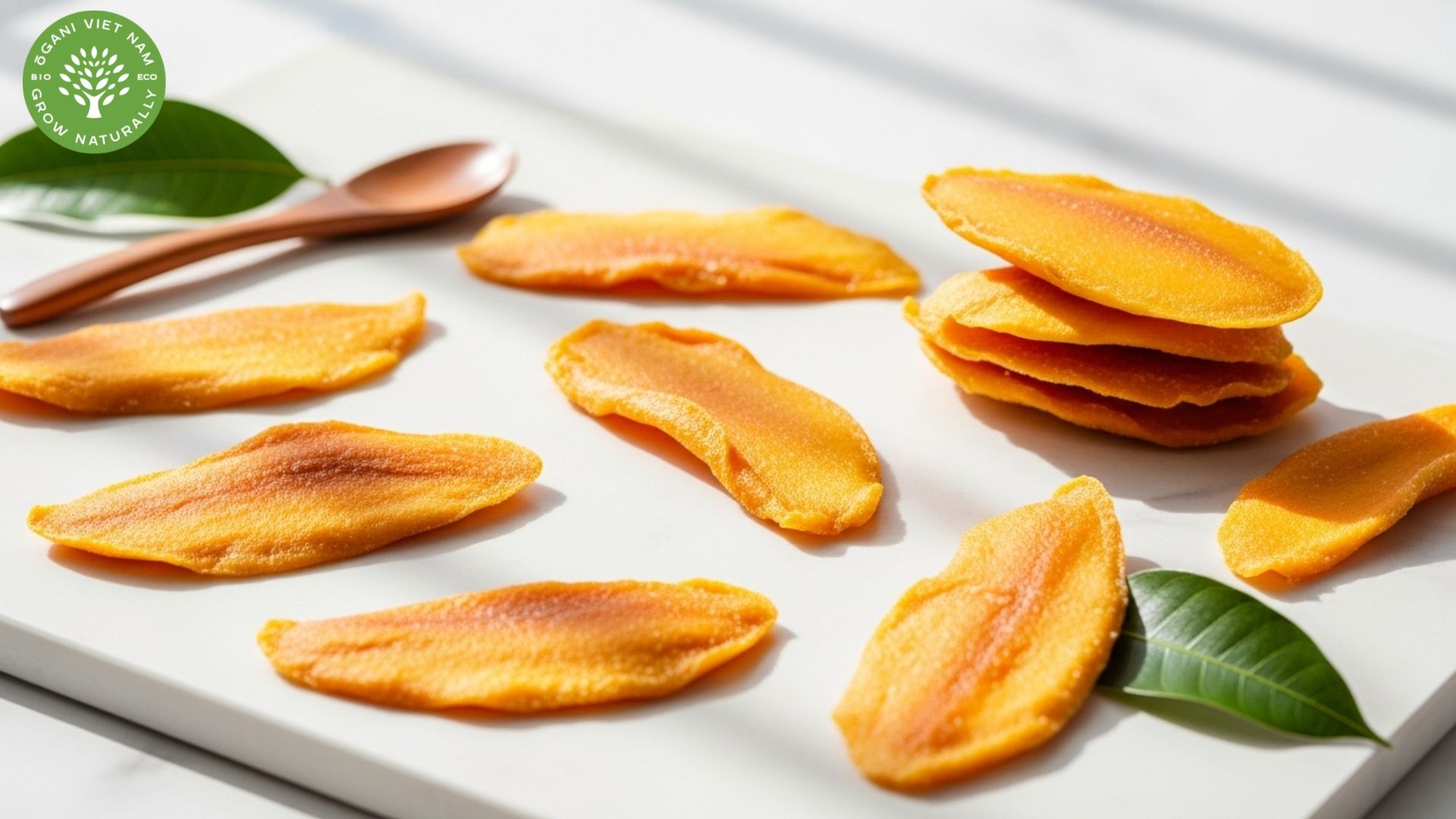
Healthy dried mango can be good for you when you choose the right type. It gives you more vitamins, some fiber, and antioxidants. At Ogani VN, many customers have improved their snack choices by learning which dried mango is truly good for their health.
Understanding the nutritional powerhouse of dried mango
Dried mango is not just a sweet snack. It is also full of good nutrients. When the water is removed from fresh mango, the healthy parts become stronger in a small, easy-to-carry snack.
A 40-gram serving has about 140 calories and 2 grams of fiber. It also gives you about 20% of your daily vitamin A. The drying process keeps many antioxidants, like beta-carotene, which makes dried mango bright orange. These nutrients help your eyes and your immune system.
Dried mango still has a good amount of vitamin C, even though it is a little less than fresh fruit. It also has folate, vitamin E, potassium, and magnesium. The fiber helps your digestion and makes you feel full longer.
How to choose the healthiest dried mango varieties

Not all dried mango is the same. The healthiest ones have special qualities that keep the nutrition high and remove things you don’t need.
First, choose organic dried mango. Organic products do not have pesticide chemicals and often taste better. Then check the ingredient list. It should only say mango. There should be no added sugar, no sulfites, and no preservatives.
Unsweetened dried mango keeps the fruit’s natural sweetness. Many store brands add sugar like cane sugar or corn syrup, which can make the calorie level much higher.
Try to avoid mango with sulfites. Sulfur dioxide keeps the color bright, but it can cause allergies or stomach discomfort for some people. Natural dried mango may look a little darker, but the flavor is more pure.
Texture is important too. Good dried mango should feel soft and chewy. It should not be too hard or too sticky. High-quality brands often cut the fruit by hand and use slow drying methods to keep more nutrients.
Comparing dried mango to fresh fruit and processed snacks
Knowing how healthy dried mango compares to other options helps you choose better snacks. Fresh mango has more water and a bit more vitamin C. But healthy dried mango is easier to carry and gives more concentrated nutrients in a small amount.
| Comparison Factor | Fresh Mango (100g) | Healthy Dried Mango (40g) | Potato Chips (40g) |
|---|---|---|---|
| Calories | 60 | 140 | 215 |
| Fiber | 1.6g | 2g | 2.3g |
| Vitamin A | 54mcg | 84mcg | 0mcg |
| Added Sugar | 0g | 0g* | 0.4g |
| Sodium | 1mg | 5mg | 168mg |
*Assuming unsweetened variety

Healthy dried mango gives more nutrients in each bite than fresh mango. It is easy to take with you when you travel, go to work, or need a quick snack. When you compare it to snacks like chips or candy, dried mango gives real vitamins and fiber, not just empty calories.
The natural sugar in dried mango gives you quick energy, and the fiber helps slow the sugar into your blood. This means dried mango gives steady energy and does not cause a big jump in blood sugar like sweet candy.
Portion control and daily consumption guidelines
Even healthy foods need careful portions. Dried mango is very concentrated, so you should eat only a small amount. A good serving size is 30–40 grams, which is about 2–3 big pieces.
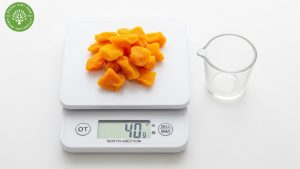
This amount gives you good nutrition without too many calories. With one serving, you eat about 140 calories and 28 grams of natural sugar, similar to a medium apple.
You should think of dried mango as one fruit serving, not an unlimited snack. One serving can be part of your daily fruit intake along with fresh fruit.
If you are active or need more calories, you can eat a little more. But eating more than 60 grams a day may give you too much sugar and too many calories, which can affect weight control.
Listen to your body. Some people feel stomach discomfort when they eat too much dried mango because the fiber is very concentrated. Start with a small amount and increase slowly if you feel fine.
Smart ways to incorporate dried mango into your healthy lifestyle
Healthy dried mango works best when you add it carefully to a balanced diet. There are some easy ways to enjoy it and still support your health goals.
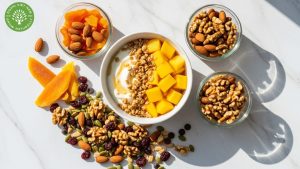
Mix dried mango with nuts or seeds for a balanced snack. This mix gives you natural sugar, protein, and healthy fat. It also slows sugar absorption and gives steady energy. You can eat it with almonds, walnuts, or pumpkin seeds.
Add small pieces of dried mango to yogurt or oatmeal for natural sweetness. The mango adds a nice tropical taste and gives you fiber and vitamins.
Use dried mango in homemade trail mix or energy balls. You can mix it with dark chocolate, coconut flakes, and nuts for a healthy snack that still tastes sweet.
When preparing snacks, put dried mango into small boxes. This helps you control portions and avoid eating too much.
You can also eat dried mango before you exercise. The natural sugar gives quick energy, and the potassium supports your muscles.
Frequently Asked Questions
Can diabetics eat dried mango?
People with diabetes can eat a small amount of unsweetened dried mango. The fiber helps slow sugar, but you must control portions. Talk to your doctor for advice.
Does dried mango help with constipation?
Yes. The fiber in dried mango can help your digestion and make bowel movements easier. Remember to drink enough water.
How long does dried mango last?
Unsweetened dried mango can last 6–12 months if you keep it in a cool, dry place. Store it in an airtight container to keep it fresh.
Is freeze-dried mango healthier than regular dried mango?
Freeze-dried mango keeps a bit more vitamin C and has a crunchy texture. Both types are healthy. Choose the one you like more.
Making healthy dried mango part of your daily routine
Healthy dried mango is a good snack if you choose it carefully. Pick organic, unsweetened mango and eat small portions. This gives nutrients without too many calories.
At Ogani VN, we help you find high-quality dried fruits for your health. Try our organic dried mango today and enjoy good taste and nutrition.
Read more: