


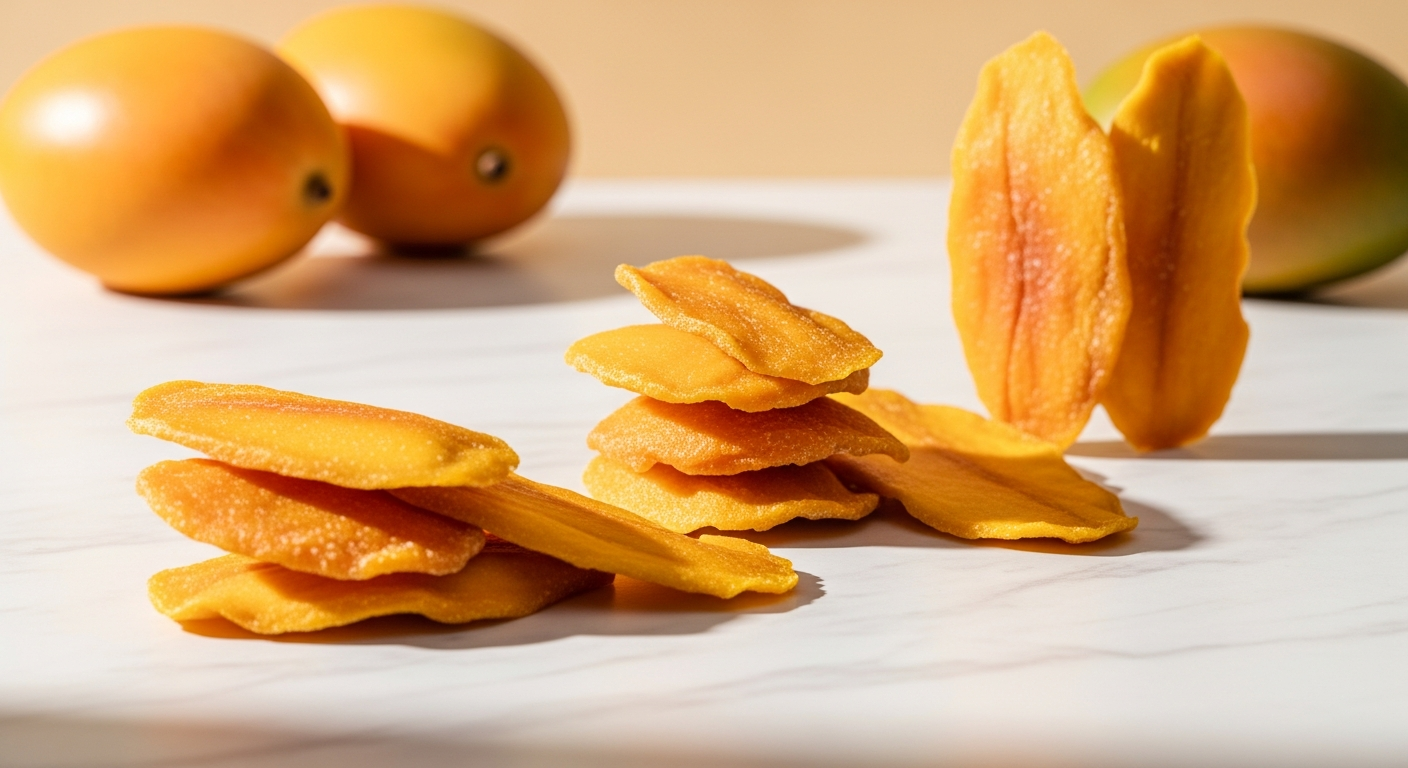
When you tear open a bag of dried sweet mango and catch that first whiff of tropical sunshine, you’re experiencing one of nature’s most perfect snacks. At Ogani VN, we’ve seen customers light up when they discover how a simple dried fruit can transport them straight to a Thai mango grove—no passport required.
These golden-orange slices aren’t just another trendy health food. They’re what happens when premium mangoes meet careful preservation, creating something that’s simultaneously indulgent and wholesome. Whether you’re rushing between meetings or planning your next hiking trail mix, dried sweet mango delivers that exotic sweetness your taste buds crave.
What makes dried sweet mango so irresistibly good
The magic starts in the orchards of Thailand, where mango trees bask in year-round tropical warmth. Farmers handpick each fruit at peak ripeness—that crucial moment when the sugar content hits its sweet spot and the flesh turns buttery soft. It’s timing that makes all the difference.
We source our dried sweet mango from these same fertile lands because Thai mangoes have this unique balance. The natural sweetness is intense enough that you don’t need loads of added sugar, yet the texture stays chewy rather than tough. When you bite into a slice, you get that satisfying resistance before it melts slightly on your tongue.
The drying process is deceptively simple but requires real attention. Remove moisture too quickly and you end up with something leathery. Go too slow and you risk spoilage. The best producers use gentle dehydration methods that concentrate the mango’s natural sugars while preserving its tropical essence. Some dried mango slices come sweetened with a light touch of cane sugar, while others rely purely on the fruit’s inherent sweetness—both have their devoted fans.
Dried sweet mango nutritional benefits that actually matter
Here’s where dried mango gets interesting from a health perspective. A typical serving (about 40 grams) packs around 120-140 calories, mostly from natural fruit sugars. But unlike candy, you’re also getting dietary fiber, vitamin A, and a decent amount of vitamin C—though admittedly less than fresh mango since some vitamin C breaks down during drying.
The fiber content deserves special mention. Each chewy piece contains both soluble and insoluble fiber, which keeps your digestive system happy and helps you feel satisfied longer. We’ve had customers tell us they keep a bag in their desk drawer specifically for that mid-afternoon slump when they need something sweet but don’t want the sugar crash that comes from processed snacks.
Dried sweet mango also contains antioxidants like beta-carotene, which your body converts to vitamin A. This is particularly good for eye health and immune function. The concentrations are actually higher in dried fruit compared to fresh because the dehydration process compresses the nutrients into a smaller space.
Now, the elephant in the room: sugar content. Yes, dried fruit is calorie-dense and sweet. A sweetened variety might have 15-20 grams of sugar per serving, while unsweetened versions still clock in around 12-15 grams from the mango itself. It’s not a free-for-all food, but when you compare it to what’s in a candy bar or even some “healthy” granola bars, dried mango holds its own pretty well.
How to choose premium dried sweet mango quality

Walking down the dried fruit aisle can feel overwhelming with all the options. Here’s what we look for—and what you should too.
Check the ingredient list first
The best dried sweet mango has a very short ingredient list: mango, and maybe a touch of cane sugar. That’s it. If you see sulfur dioxide (often listed as SO2 or sulfites), know that it’s a preservative used to maintain bright color. Some people prefer unsulfured varieties for a more natural product, though the mango will look slightly darker.
Avoid products with added citric acid, artificial colors, or mysterious “natural flavors.” Quality mango doesn’t need help tasting like mango.
Texture tells you everything
Premium dried mango should be pliable—you can bend a slice without it snapping. When you bite in, it should have some chewiness but not require serious jaw work. If it’s rock-hard or sticks to your teeth excessively, that’s usually a sign of over-processing or too much added sugar coating.
The color should be a natural golden-orange to amber, not neon orange. Real mango isn’t fluorescent.
Origin matters more than you’d think
Thailand has been perfecting mango cultivation for centuries, and their varieties (like Nam Dok Mai and Kaew) are specifically prized for dried applications. The climate there produces mangoes with ideal sugar-acid balance and smooth, fiber-free texture. We’ve tried dried mango from various origins, and while they’re all decent, Thai varieties consistently deliver that perfect tropical punch.
Creative ways to enjoy dried sweet mango every day

Sure, eating them straight from the bag works perfectly fine—we won’t judge. But once you start experimenting, the possibilities multiply fast.
Chop some dried sweet mango into small pieces and toss them into your morning oatmeal while it’s still hot. The fruit softens slightly and releases its sweetness throughout the bowl. Or blend a few slices into your tropical smoothie along with coconut milk and a squeeze of lime. It adds natural sweetness and creates this luscious, thick texture without needing banana.
For trail mix enthusiasts, pair dried mango with raw almonds, cashews, and a handful of dark chocolate chips. The combination of sweet, salty, and crunchy hits differently than store-bought mixes. Some of our customers swear by adding it to their pre-workout snack rotation—the natural sugars provide quick energy without feeling heavy.
Bakers have discovered that rehydrating dried mango chunks in warm water for 10 minutes transforms them into a versatile ingredient for muffins, scones, or even savory chutneys to serve with grilled chicken. The concentrated flavor works beautifully in recipes where fresh mango would make things too wet.
And here’s an unexpected pairing: try dried mango with sharp cheese. The sweet-tangy fruit cuts through rich cheddar or gouda in the most satisfying way. It’s become our secret weapon for cheese boards that people actually remember.
Storing your dried sweet mango for maximum freshness

Nothing’s sadder than discovering your once-chewy dried mango has turned into cement slabs. Moisture is the enemy here—or more accurately, moisture fluctuation.
Once you open the bag, transfer any leftover dried sweet mango to an airtight container or resealable bag. Push out as much air as possible before sealing. Stored this way in a cool, dry pantry, they’ll stay delicious for several months. If you live somewhere humid, the refrigerator works even better and can extend their life up to six months.
You’ll know they’re past their prime when they develop an off smell, visible mold (white or gray spots), or become either rock-hard or unpleasantly sticky. Fresh dried mango should smell fruity and inviting, not fermented or musty.
For long-term storage, freezing is actually an option. Portion them into smaller bags and they’ll keep for up to a year. Let them come to room temperature before eating for the best texture, though some people enjoy them frozen as a summer treat.
Frequently asked questions about dried sweet mango
Is dried sweet mango healthier than fresh mango?
Not necessarily “healthier,” just different. Fresh mango has more vitamin C and water content, while dried mango offers concentrated nutrients and fiber in a portable form. Think of dried as a convenient option when fresh isn’t available or practical.
How much dried mango can I eat per day?
A standard serving is about 1/4 cup (40g), which provides a good balance of nutrients without overdoing the sugar and calories. Listen to your body—dried fruit is nutritious but calorie-dense.
Does all dried sweet mango have added sugar?
No. Some brands offer unsweetened versions that rely purely on the mango’s natural sugars. Check the ingredient list—if sugar or cane sugar appears, it’s been sweetened. Unsweetened typically contains 2-3 grams less sugar per serving.
Can diabetics eat dried sweet mango?
Diabetics should approach dried fruit carefully due to its concentrated sugar content. It can fit into a diabetic diet in small portions, ideally paired with protein or healthy fats to slow sugar absorption. Always consult with a healthcare provider about individual dietary needs.
Why does some dried mango taste more sour than others?
This usually comes down to mango variety and ripeness at harvest. Some producers use slightly underripe mangoes to achieve a tangy balance, while others wait for full ripeness for maximum sweetness. Both styles have their fans—it’s personal preference.
Experience the best dried sweet mango with Ogani VN
Dried sweet mango represents something special in the world of healthy snacking—genuinely delicious food that happens to be good for you too. From its origins in Thai orchards to the careful preservation process, every step matters in creating those perfect chewy slices you can’t stop eating.
At Ogani VN, we’re passionate about connecting you with premium dried fruits that deliver authentic flavor without compromise. Our dried sweet mango selection features only Thailand-sourced mangoes, processed with minimal intervention to preserve what nature perfected.
Ready to experience the tropical difference? Browse our collection of premium dried sweet mango and other organic dried fruits. Every bite reminds you why simple, quality ingredients always win.
Have questions about our products or need recommendations for your specific needs? Reach out to our team—we’re here to help you discover your new favorite healthy snack. Your taste buds will thank you.
Read more:
- Dry Mango Fruit: Your Complete Guide To This Sweet Superfood
- Dried Red Dragon Fruit vs Fresh: Color, Nutrition & When to Use Each
- Red Dragon Fruit Dried: Your Complete Buying Guide
- Dried Mango Fibre Content: What You Need to Know
- Mango Flakes: Nature’s Sweet & Healthy Tropical Snack
- Sweetened Dried Mango: Your Perfect Tropical Snack