


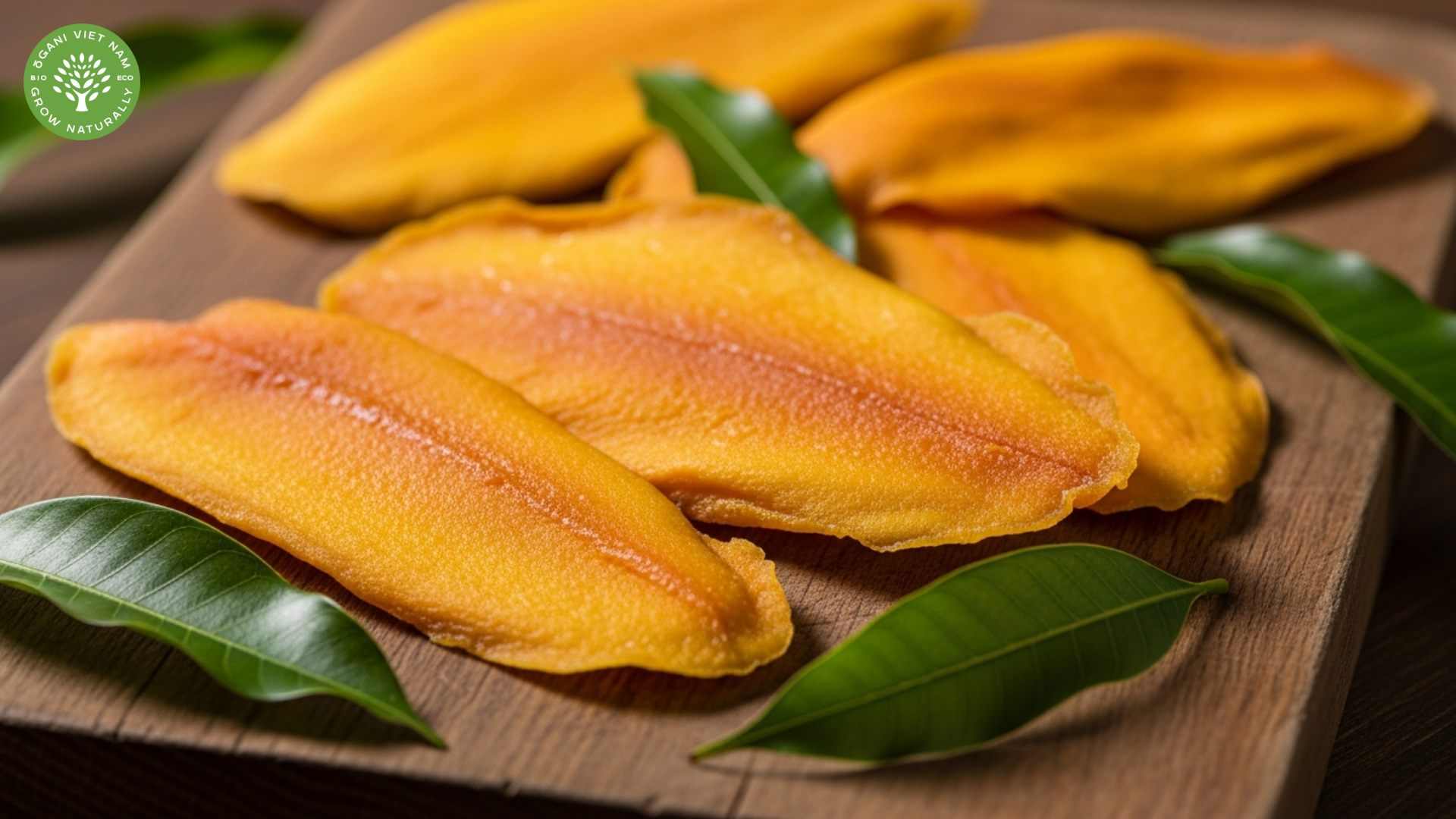
When you bite into a piece of dried mango, you’re experiencing one of nature’s most perfect snacks—concentrated tropical sweetness packed with nutrients, fiber, and that irresistible chewy texture that keeps you reaching for more. At Ogani VN, we’ve seen firsthand how this simple dried fruit has transformed from an occasional treat into a staple in health-conscious kitchens across Vietnam.
What makes dried mangoes different from other dried fruits

Here’s something most people don’t realize until they really start paying attention: not all dried mangoes are created equal. The difference between a mediocre dried mango and an exceptional one comes down to three things—the quality of the fresh fruit, the drying method, and whether anything else gets added along the way.
We source our mangoes from organic farms where the fruit ripens naturally on the tree. This matters more than you’d think. A mango picked too early and ripened artificially will never develop that complex, multilayered sweetness you get from a sun-ripened fruit. The natural sugars in tree-ripened mangoes concentrate beautifully during drying, creating that rich, almost honey-like flavor without needing any added sugar.
The drying process itself is fascinating. Traditional air-drying preserves most of the nutrients while intensifying the flavor. Some producers use freeze-drying, which creates a completely different texture—lighter, crunchier, almost like mango chips. Then there’s the question of what gets added. Many commercial brands add cane sugar (sometimes a lot of it), sulfur dioxide for color preservation, or citric acid. Our unsweetened, unsulfured dried mangoes contain just one ingredient: organic mango. Nothing else.
What you end up with is a chewy, slightly sticky slice that tastes intensely of mango—that tropical, floral sweetness with subtle peachy notes. The texture has some resistance when you bite down, then yields into that satisfying chew. It’s nothing like eating fresh mango, but it’s its own special experience.
The surprising health benefits of dried mangoes

Let’s be honest about nutrition here. Dried mangoes are definitely higher in sugar and calories per serving than fresh mangoes—that’s just basic math when you remove the water content. But dismissing them as “just candy” misses the bigger picture.
A typical serving (about 40 grams or roughly 5-6 pieces) gives you around 120-140 calories and packs in approximately 3 grams of fiber. That’s meaningful fiber—the kind that actually helps with digestion and keeps you feeling satisfied between meals. We’ve had customers tell us that a small handful of dried mango curbs their afternoon sweet cravings better than any protein bar or energy drink.
The vitamin A content is particularly impressive. One serving can provide 20-25% of your daily needs, supporting eye health and immune function. You also get decent amounts of vitamin C (though some is lost during drying), folate, and various antioxidants including polyphenols. These compounds fight oxidative stress in your body—basically, they help combat inflammation and cellular damage.
Here’s where it gets interesting for athletes and active people: dried mangoes offer quick, easily digestible energy. The natural sugars—primarily fructose and glucose—absorb relatively quickly but not so fast that you get that sugar crash. We know several trail runners and cyclists who swear by dried mango as their go-to fuel during long workouts. It’s lighter than fresh fruit, doesn’t bruise in your backpack, and provides steady energy.
The potassium content also deserves mention. While not as high as bananas, dried mangoes still contribute to your daily potassium needs, which supports muscle function and helps maintain healthy blood pressure levels.
How to choose quality dried mangoes that actually deliver

Walking into a store and facing a wall of dried mango options can feel overwhelming. Premium organic brands sit next to bargain bags, some labeled “no sugar added,” others “lightly sweetened,” still others saying nothing at all about ingredients.
Reading labels like you mean it
The ingredient list tells you almost everything. Look for products where “mango” is the first—and ideally only—ingredient. If you see “cane sugar” listed second, that mango has been sweetened, sometimes heavily. Citric acid often appears as a preservative and flavor enhancer. Sulfur dioxide (or “sulfites”) keeps the color bright orange but can trigger reactions in sensitive individuals.
Check the sugar content on the nutrition panel. Unsweetened dried mango typically contains 16-20 grams of naturally occurring sugar per serving. If you’re seeing 25-30 grams, sugar has definitely been added. Some brands add as much sugar as what’s naturally present, essentially doubling the sweetness.
Texture and appearance clues
Quality dried mango should be pliable—you can bend a slice without it cracking or breaking. If it’s brittle, it’s been over-dried or is old. The color varies depending on the mango variety and whether sulfites were used. Organic unsulfured mango often has a deeper, more brownish-orange color rather than that electric neon orange. This is normal and actually preferable—it means no chemical color enhancement.
The slices shouldn’t be too sticky or have a dusty white coating (unless it’s organic cane sugar that was added). A slight natural stickiness is fine, but if your fingers are covered in sugar residue, you’re dealing with a heavily sweetened product.
Organic certification matters more than you think
At Ogani VN, we’re particular about organic certification because conventional mango farming often involves significant pesticide use. Mangoes are on several “high pesticide residue” lists, and those chemicals concentrate during the drying process. Organic dried mangoes cost more, yes, but you’re investing in a cleaner product without chemical residues.
Non-GMO certification is somewhat less critical for mangoes since there aren’t many genetically modified mango varieties in commercial production, but it’s still a good indicator that the producer maintains high standards overall.
Smart ways to use dried mangoes beyond mindless snacking

Sure, eating them straight from the bag while watching Netflix works perfectly fine—we’re not judging. But dried mango is surprisingly versatile in the kitchen, and honestly, that’s where things get interesting.
Rehydrating dried mangoes opens up completely new possibilities. Soak them in warm water, coconut milk, or even rum for about 20-30 minutes, and they plump back up into something resembling fresh mango, though with a softer texture. Use rehydrated mango in smoothies, blend into sauces, or fold into yogurt parfaits.
For breakfast, we’ve become obsessed with chopping dried mango into small pieces and adding it to overnight oats. The mango softens overnight, releasing its sweetness throughout the oats without needing additional sweetener. Try this combination: oats, chia seeds, almond milk, chopped dried mango, and a pinch of cardamom. Let it sit overnight. Trust us on this one.
Baking with dried mango works beautifully too. Chop it into small bits and fold into muffin batter, scones, or bread dough. The pieces stay chewy and create little pockets of intense mango flavor. It’s particularly good in recipes with coconut, lime, or ginger—those tropical and Asian-inspired flavor profiles really shine together.
For savory applications, try adding diced dried mango to salads (especially those with nuts, cheese, and bitter greens), grain bowls, or even chicken salad. The sweetness balances acidic dressings and adds textural contrast. Some of our more adventurous customers have reported making mango chutney using rehydrated dried mango when fresh isn’t available, and it apparently works surprisingly well.
Trail mix is the obvious use, but make your own instead of buying pre-mixed bags. Combine dried mango with cashews, almonds, dark chocolate chips, and maybe some coconut flakes. You control the ratios and the quality of each ingredient. This makes an excellent portable snack for hiking, travel, or keeping in your desk drawer.
How to store dried mangoes for maximum freshness

Most people just twist the bag shut and hope for the best, but proper storage makes the difference between dried mango that stays perfect for months and dried mango that turns hard, crystallized, or worse—moldy.
At room temperature in a sealed container or resealable bag, properly dried mango lasts about 6-9 months. Keep it away from direct sunlight and heat sources. Your pantry works fine if it’s reasonably cool. The key word here is “sealed”—air exposure causes dried fruit to harden and lose flavor over time.
Refrigeration extends the life span significantly. In an airtight container in the fridge, expect 12-18 months of good quality. The cold temperature slows down any enzymatic processes and prevents the growth of mold or bacteria. Some people worry that refrigeration affects texture, but honestly, dried mango softens slightly when cold, which many prefer.
For long-term storage, freezing is your best option. Properly packaged dried mangoes can last 2+ years in the freezer without significant quality loss. Use freezer-safe bags or containers, remove as much air as possible, and label with the date. When you’re ready to eat it, you can consume it straight from frozen (it’ll be harder and chewier, like a frozen candy) or let it thaw for a few minutes.
Watch for signs of spoilage: off smells (sour, fermented, or musty), visible mold (usually white or green fuzzy spots), or an unusual slimy texture. If sugar crystallizes on the surface—you’ll see white specks or a dusty coating—that’s usually fine, just natural sugar migration. But if you’re ever in doubt, err on the side of caution.
One trick we’ve learned: if your dried mango has hardened from being stored too long, try placing it in a container with a slice of fresh bread or a damp paper towel (not touching the fruit) for 12-24 hours. The moisture transfers slowly, softening the mango without making it wet.
Frequently Asked Questions
Are dried mangoes as healthy as fresh mangoes?
They’re different rather than better or worse. Dried mangoes have concentrated nutrients and fiber but also concentrated sugars and calories in a smaller serving size. Fresh mangoes have more water content, more vitamin C (which degrades during drying), and fewer calories per gram, but dried mangoes offer convenience and longer storage.
Can diabetics eat dried mangoes?
People managing blood sugar should approach dried fruit cautiously. The concentrated sugars can spike blood glucose more quickly than fresh fruit. If you have diabetes, keep portions small (maybe 2-3 pieces), pair with protein or nuts to slow absorption, and monitor your individual response. Always consult your doctor about dietary choices.
Why are some dried mangoes so orange and others more brown?
Bright orange usually indicates sulfur dioxide treatment, which preserves color. Unsulfured organic dried mangoes naturally turn a deeper, brownish-orange color. Both are fine to eat—it’s just different processing approaches. The brown color doesn’t mean the fruit is bad.
How much dried mango can I eat per day?
A reasonable serving is about 40-50 grams (5-7 pieces), which provides good nutrients without excessive sugar. Listen to your body—some people tolerate more, others find that too much dried fruit causes digestive discomfort. Balance is key.
Can I make dried mangoes at home?
Absolutely. Slice ripe mangoes thinly (about 5mm), arrange on dehydrator trays or baking sheets, and dry at low temperature (135-145°F) for 8-12 hours until leathery but pliable. Homemade versions let you control everything about the process and use the exact mango varieties you prefer.
Why dried mangoes deserve a place in your pantry
Dried mangoes represent something pretty special in the world of healthy snacking—they deliver genuine nutrition and satisfying sweetness without needing artificial ingredients or excessive processing. At Ogani VN, we’ve built our dried mango selection around one simple principle: start with outstanding organic fruit, dry it carefully, and don’t mess with perfection by adding unnecessary ingredients.
Whether you’re looking for a post-workout energy boost, a naturally sweet addition to your morning routine, or just a guilt-free treat that actually tastes incredible, our organic dried mangoes are ready to become your new favorite snack. Browse our selection today and discover why thousands of customers trust Ogani VN for premium dried fruits that honor both your health and your taste buds.
Read more:
- Baking With Dried Red Dragon Fruit: Breads, Muffins & Cookies
- Dried Red Dragon Fruit vs Fresh: Color, Nutrition & When to Use Each
- Dragon Fruit Powder: Unlocking Ít Superfood Potential for Health and Wellness.
- Red Dragon Fruit Dried: Your Complete Buying Guide
- Dried Mangoes: Your Ultimate Guide to Nature’s Chewy Treasure