


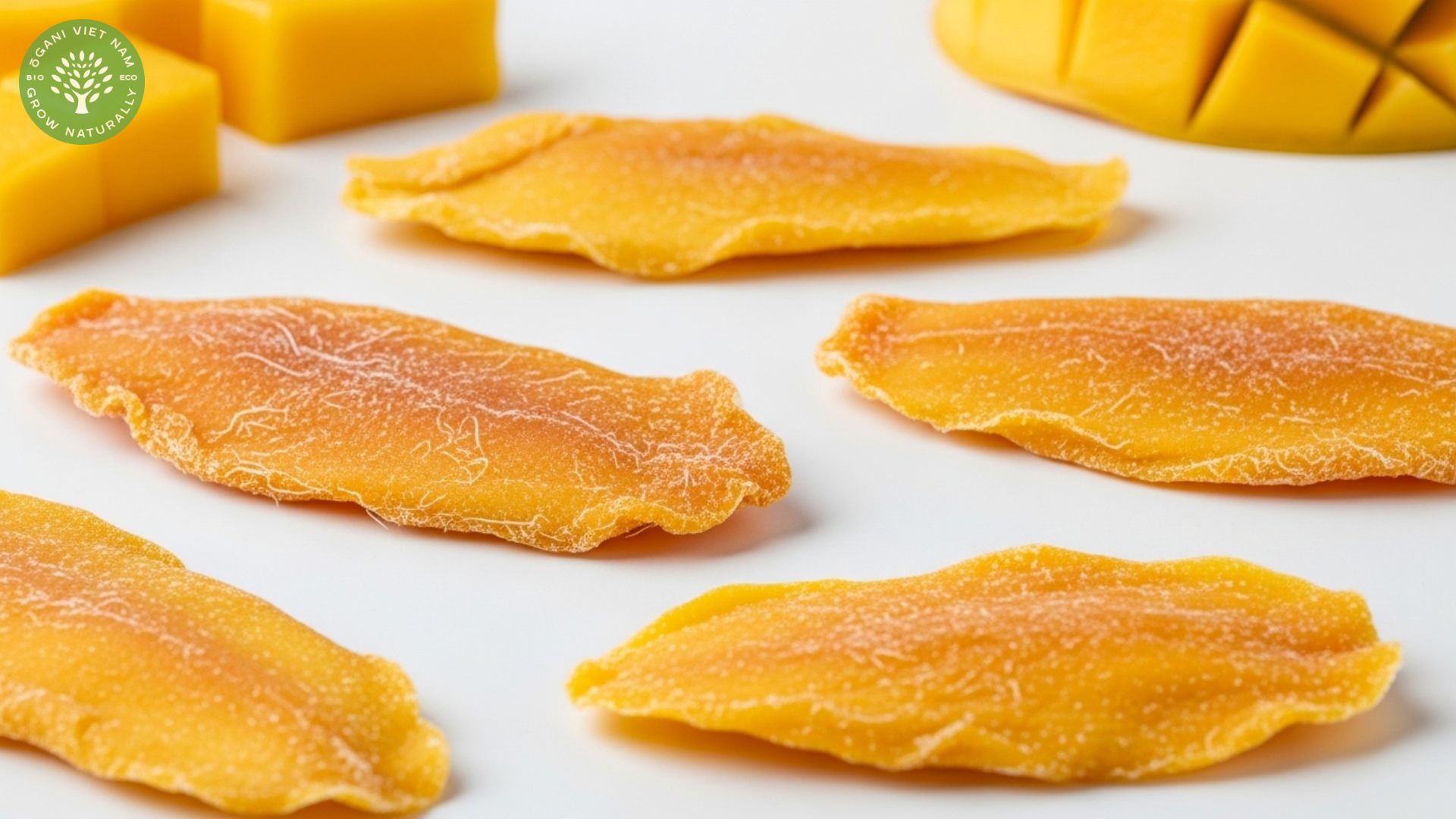
When you search for dried mango fiber, you may want to know if it is healthy and how it is different from fresh mango.
At Ogani VN, we know that fiber is important for a healthy snack. Dried mango is a good source of fiber, and it also has useful vitamins and minerals.
Understanding dried mango’s fiber content
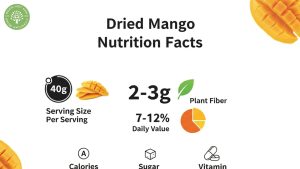
Dried mango fiber can change based on how it is made and the brand. Usually, a 40-gram serving of dried mango has about 2–3 grams of fiber, which is around 7–12% of daily fiber needs. This happens because drying removes water but keeps most nutrients, including the fiber from fresh mango.
The fiber in dried mango mainly comes from pectin and cellulose. These fibers help the digestive system. Pectin helps good bacteria grow in the gut. Cellulose helps make stool bigger and supports regular bowel movements. However, fresh mango often has more fiber for the same calories — about 2.6 grams, while dried mango has about 0.7–2 grams for a similar calorie amount.
When choosing dried mango, Ogani VN suggests unsweetened and unsulfured products. These keep the natural fiber and avoid added sugar, which can reduce the health benefits of fiber.
Health benefits of dietary fiber in dried mango
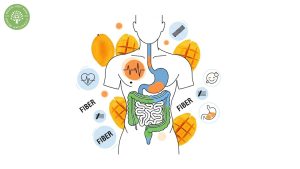
Digestive system support
The fiber in dried mango helps digestion by making stool bigger and helping you go to the toilet regularly. This fiber also slows down how fast sugar enters the blood, helping prevent quick rises in blood sugar levels, which is important because dried mango naturally has a lot of sugar.
Satiety and weight management
Fiber-rich foods like dried mango can help you feel full for a longer time. The fiber expands in your stomach when it mixes with water, making you feel full. This can help you eat smaller portions and reduce the total calories you consume during the day.
Cardiovascular health benefits
The soluble fiber in dried mango can help reduce cholesterol. It sticks to cholesterol in the stomach and helps the body get rid of it. Eating fiber-rich foods often, including dried mango in small amounts, helps keep the heart healthy and lowers the risk of heart problems.
Comparing fresh vs dried mango fiber content
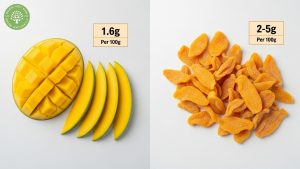
Fresh mango is usually better than dried mango when comparing fiber per weight. A 100-gram serving of fresh mango has about 1.6 grams of fiber, while 100 grams of dried mango has around 2–5 grams, depending on how it is dried and if anything is added.
However, the comparison changes when we look at calories and serving size. Fresh mango has about 60 calories per 100 grams, but dried mango has around 320 calories for the same weight. This means you eat many more calories to get a similar amount of fiber from dried mango.
Drying mango removes water and makes some nutrients stronger, but others weaker. Vitamin C drops a lot during drying, while fiber stays quite stable. At Ogani VN, we often suggest eating both fresh and dried mango to get more nutrition and enjoy different tastes and textures.
Best practices for incorporating dried mango fiber into your diet

Portion control strategies
Because dried mango has a lot of sugar and calories, it is best to eat it in small amounts. A normal serving is 1–2 pieces (about 20–40 grams). This gives you useful fiber while keeping sugar intake under control. We suggest using dried mango as an extra source of fiber, not the main one.
Hydration considerations
When you eat more fiber from dried fruits like mango, it is important to drink enough water. Fiber works better with water, helps avoid stomach discomfort, and supports good digestive health.
Pairing with other fiber sources
To get the most benefit from dried mango fiber, try eating it with other fiber-rich foods. You can add dried mango to oatmeal, yogurt, or mixed nuts. This makes a balanced snack with different types of fiber and helps keep sugar intake under control.
Frequently Asked Questions
How much dried mango should I eat each day for fiber?
Eating 20–40 grams (1–2 pieces) gives about 1–3 grams of fiber. This helps your daily fiber goal of 25–35 grams without too much sugar.
Does dried mango have more fiber than other dried fruits?
Dried mango has a medium amount of fiber. Dried figs and prunes usually have more fiber, while dried bananas have a similar amount.
Can I depend on dried mango for daily fiber?
Dried mango can add fiber, but it should not be the main source because it has a lot of sugar. You should also eat vegetables, whole grains, and beans.
Is organic dried mango higher in fiber?
Organic dried mango does not have much more fiber, but it often has no added chemicals or preservatives, which helps the body absorb nutrients better.
Making dried mango fiber work for your health goals
Dried mango fiber is an easy way to add fiber to your diet while enjoying a naturally sweet snack. It does not provide fiber as efficiently as fresh mango, but it still offers good nutrition. When eaten in the right amount, it helps digestion, keeps you feeling full, and supports heart health.
At Ogani VN, we invite you to explore our high-quality dried mango products. They are carefully selected and processed to keep their natural nutrients. Visit our store to find unsweetened dried mango with no unnecessary additives, and enjoy the fiber benefits you are looking for. Contact our nutrition team to learn how dried mango fiber can fit into your healthy lifestyle.
Read more:
- Is Organic Dried Mango Good For You? Health Benefits Revealed
- Best Dried Mango No Sugar Added: Premium Quality Guide
- Calories In Dried Mango No Sugar Added: Complete Nutrition Guide
- Are Dried Mangoes Good For You? The Complete Health Guide
- Dried Mango Fiber: Complete Nutrition Guide and Health Benefits