


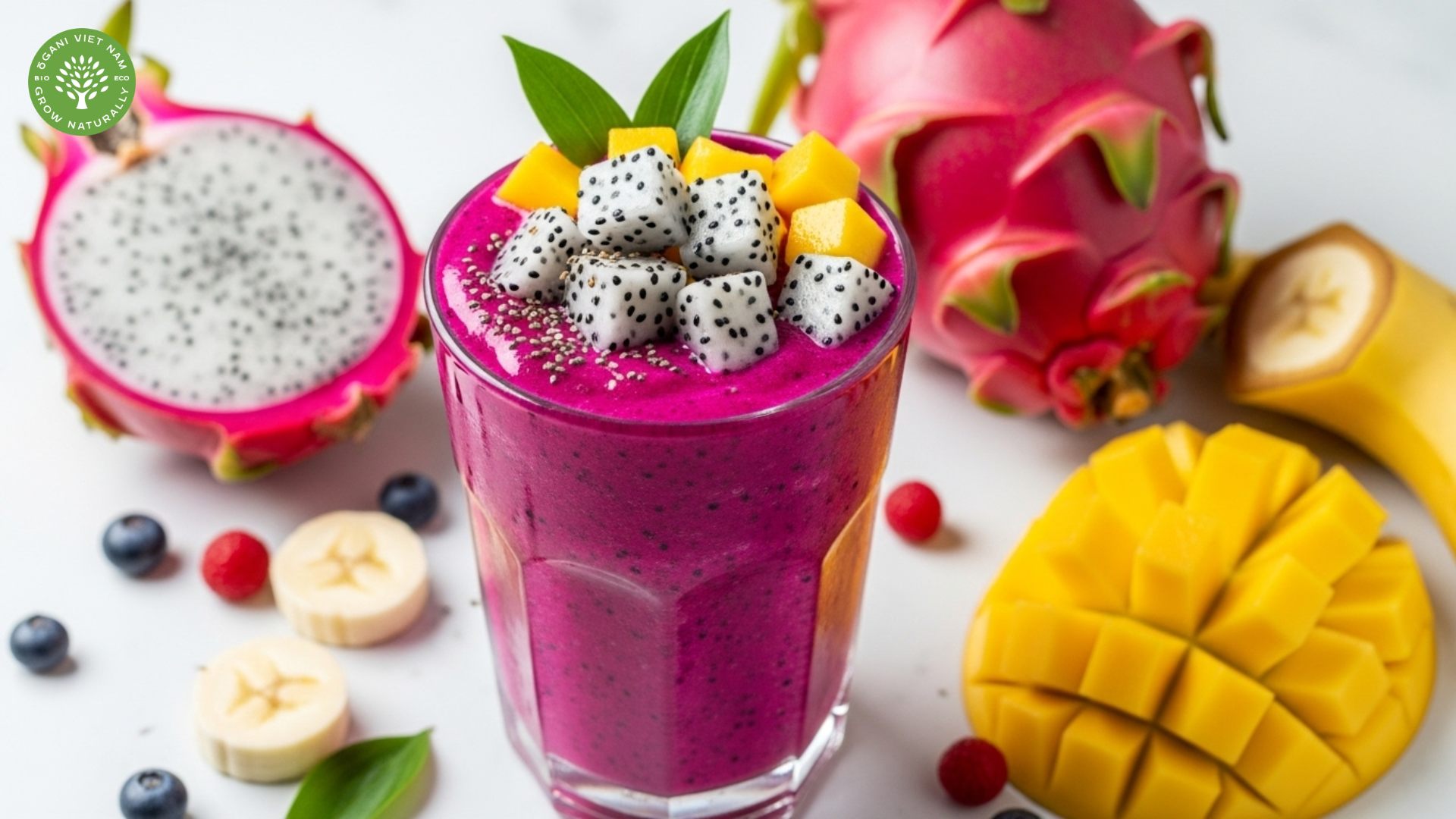
Looking for a vibrant, nutritious smoothie that tastes as good as it looks? Dragon fruit recipes smoothie combines tropical sweetness with stunning pink hues to create the perfect breakfast or post-workout refreshment. At Ogani VN, we’ve perfected the art of crafting these eye-catching drinks, and today we’re sharing everything you need to know.
Why dragon fruit recipes smoothie should be in your daily routine
I’ll be honest—when I first tried making a dragon fruit smoothie three years ago, I was skeptical. The fruit looked more like an exotic decoration than something I’d blend up for breakfast. But that first sip? Game changer.
Dragon fruit, or pitaya as some call it, brings more to your blender than just Instagram-worthy color. The mild, slightly sweet flavor acts as a perfect canvas for bolder fruits like mango or berries, while the tiny black seeds add a subtle crunch that reminds me of kiwi. Unlike some tropical fruits that can overpower a smoothie, dragon fruit plays well with others.
Here’s what makes these smoothies stand out: they’re naturally low in calories but packed with antioxidants, vitamin C, and fiber. The bright pink variety gets its color from betalains—the same compounds that make beets red and have powerful anti-inflammatory properties. Plus, dragon fruit contains prebiotics that support your gut health, something I noticed after making these smoothies part of my weekly rotation.
The best part? You don’t need to live near a tropical paradise to enjoy them. Frozen dragon fruit cubes work beautifully and are available year-round at most Asian markets and even mainstream grocery stores now.
Essential ingredients for dragon fruit recipes smoothie
Creating a stellar dragon fruit recipes smoothie isn’t complicated, but knowing your ingredient options helps you customize to your taste and dietary needs.
The dragon fruit base
You’ll need about 1 to 1.5 cups of dragon fruit per smoothie. Fresh dragon fruit works wonderfully—just scoop out the flesh and discard the pink skin. But frozen dragon fruit cubes are my go-to. They’re pre-cut, create a thicker texture, and honestly, they’re more convenient. I keep a bag in my freezer at all times.
Go for the pink-fleshed variety (Hylocereus undatus) if you want that signature hot pink color. The white-fleshed type tastes similar but produces a paler smoothie. Both work perfectly fine.
Complementary fruits
Dragon fruit needs friends in the blender. Here’s what we recommend at Ogani VN:
- Mango: Adds natural sweetness and creates an almost tropical juice bar vibe. Frozen mango chunks work best.
- Banana: The classic smoothie thickener. One medium banana gives you that creamy consistency without any dairy. Pro tip: freeze your overripe bananas—they blend smoother and make your smoothie colder.
- Berries: Strawberries, raspberries, or blackberries amplify the pink color while adding tartness. Mixed berries create complexity.
- Pineapple: Brings acidity and a bright, zesty note that cuts through the creaminess.
I usually combine dragon fruit with one or two of these options. My personal favorite? Dragon fruit, mango, and a handful of strawberries. It’s like drinking a sunset.
Liquid choices
Your liquid base determines the final texture and nutritional profile:
- Almond milk: Slightly nutty, low-calorie, and creates a smooth consistency
- Oat milk: Creamier than almond milk with a subtle sweetness
- Coconut milk: Rich and tropical, though it can overpower delicate flavors
- Regular yogurt or Greek yogurt: Adds protein and tanginess—thin with water if needed
- Orange juice or pineapple juice: For a fruit-forward, vitamin C boost
Start with about ¾ cup of liquid and adjust. Too thick? Add more liquid. Too thin? Throw in more frozen fruit or ice cubes.
Optional boosters
This is where you can get creative:
- Chia seeds or flax seeds for omega-3s and extra fiber
- Protein powder (vanilla or unflavored works best)
- A squeeze of lime juice for brightness—this is not optional in my book, the acidity makes everything pop
- Fresh ginger for a warming kick
- Vanilla extract for depth
- A handful of spinach (trust me, you won’t taste it)
How to make dragon fruit recipes smoothie step by step
Let me walk you through the process. It takes literally five minutes, maybe seven if you’re moving slowly that morning.
What you’ll need:
- 1 cup frozen dragon fruit chunks
- 1 cup frozen mango chunks (or 1 fresh mango, diced)
- 1 medium banana (fresh or frozen)
- ¾ cup almond milk (or milk of choice)
- Juice of half a lime
- Optional: 1 tablespoon chia seeds, handful of ice

The method:
First, add your liquid to the blender. This prevents the blades from getting stuck—something I learned the hard way after burning out a blender motor years ago. Then pile in your frozen fruits, starting with the softer ones like banana, then the harder frozen chunks.
Squeeze in that lime juice. Seriously, don’t skip this. It’s the difference between a good smoothie and one that makes you go “wow.”
Blend on high for 30-60 seconds. You want it completely smooth with no chunks. If your blender struggles, stop, stir with a spoon, then blend again. Add more liquid if needed.
Pour into a glass (or a bowl if you’re making a smoothie bowl) and drink immediately. These smoothies don’t keep well—the color fades and the texture separates if you wait too long.
That’s it. Really. I’ve spent more time deciding what to watch on Netflix than making this smoothie.
Best dragon fruit recipes smoothie variations to try

After making dragon fruit recipes smoothie dozens of times, I’ve developed some variations that prevent smoothie fatigue. Here are my top picks:
The Berry Blast: Combine dragon fruit with mixed berries (strawberries, blueberries, raspberries), banana, and oat milk. Add a tablespoon of almond butter for richness. The result is deep purple-pink and tastes like a berry patch in summer.
Tropical Paradise: Dragon fruit, pineapple, mango, and coconut milk. Sometimes I throw in a bit of passion fruit if I can find it. This one screams vacation in a glass.
Green Dragon: Yes, you can make these nutritious without sacrificing the pink color. Dragon fruit, banana, mango, spinach, almond milk, and lime. The dragon fruit masks the green completely. I serve this to my niece who thinks vegetables are the enemy—she has no idea.
Protein Power: Perfect post-workout. Dragon fruit, banana, vanilla protein powder, Greek yogurt, almond milk, and chia seeds. It’s filling enough to be a meal replacement.
No-Banana Version: Some people can’t stand banana texture (I get it). Replace it with frozen cauliflower florets or avocado. Sounds weird, but they both create creaminess without adding banana flavor. Use half an avocado—any more and you’ll taste it.
The Ginger Zing: Dragon fruit, mango, banana, a thumb-sized piece of fresh ginger, lime juice, and coconut water. This one is bright, spicy, and incredibly refreshing. I make this when I feel a cold coming on.
Pro tips for perfect dragon fruit recipes smoothie
Let me share some tricks I’ve picked up:
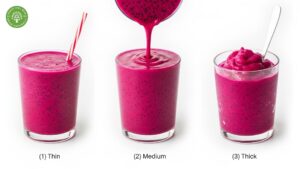
On thickness: The ratio of frozen to fresh ingredients controls your texture. Want it thick enough to eat with a spoon? Use all frozen fruit and minimal liquid. Drinkable consistency? Use mostly fresh fruit or add more liquid. I prefer mine somewhere in the middle—thick enough to feel substantial but pourable.
The blending order matters: Liquid first, then soft ingredients (banana, fresh mango), then frozen hard chunks on top. This creates a vortex that pulls everything down toward the blades.
Color intensity: More dragon fruit equals more vibrant pink. But if you go overboard (more than 1.5 cups per smoothie), the texture becomes grainy from all those little seeds. Balance is key.
Make it last: Freeze smoothie portions in ice cube trays. When you’re short on time, pop a few cubes in the blender with fresh liquid. Not quite as good as fresh, but better than nothing.
The best time to drink these: Morning? Absolutely. Post-workout? Perfect—the natural sugars help with recovery. Afternoon energy slump? Why not. Late-night dessert alternative? I won’t judge. I’ve been known to make one at 10 PM when I’m craving something sweet but don’t want ice cream.
One thing I learned through trial and error: room temperature bananas create foam. Always use cold or frozen bananas.
Dragon fruit recipes smoothie nutritional benefits and best times to enjoy
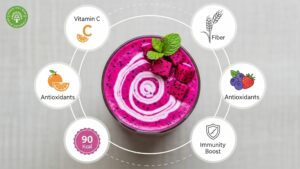
A typical dragon fruit recipes smoothie (using the basic recipe above) contains around 200-250 calories, depending on your ingredients. That’s remarkably low for something so satisfying.
You’re getting significant vitamin C—great for immune support and skin health. The fiber content (about 5-7 grams) keeps you full and supports digestion. Dragon fruit’s natural sugars are balanced by its fiber, so you won’t get that blood sugar spike you might get from fruit juice.
The antioxidants in dragon fruit, particularly betalains, have been studied for their anti-inflammatory properties. While I’m not going to claim this smoothie will cure anything, I notice I feel genuinely good after drinking one—energized but not jittery.
We recommend these smoothies as:
- A quick breakfast when paired with protein-rich toppings like nuts or granola
- Pre-workout fuel (the natural sugars provide quick energy)
- Post-workout recovery (especially if you add protein powder)
- An afternoon pick-me-up that’s healthier than coffee and pastries
- A light dinner option on hot days when you don’t want heavy food
Frequently Asked Questions
Can I use fresh dragon fruit instead of frozen?
Absolutely. Fresh dragon fruit works perfectly well. The smoothie just won’t be as cold or thick. Add some ice cubes to compensate. Frozen is more convenient and available year-round, but fresh gives you slightly brighter flavor when it’s in season.
Why is my smoothie not pink?
You likely used white-fleshed dragon fruit instead of the pink variety. The white type tastes similar but won’t give you that Instagram-worthy color. Also, adding too much milk or yogurt can lighten the color. Use the pink-fleshed dragon fruit and limit the amount of white/cream-colored ingredients.
How do I make my smoothie thicker?
Use frozen fruits, reduce your liquid amount, add half an avocado or frozen cauliflower, or throw in a few ice cubes. Greek yogurt also thickens smoothies beautifully while adding protein.
Can I make this ahead of time?
Honestly? These are best fresh. The color fades and the texture separates within an hour or two. If you must prep ahead, freeze your fruit portions in bags and store liquids in the fridge. Blending takes five minutes anyway.
Is dragon fruit smoothie good for weight loss?
Dragon fruit smoothies are relatively low-calorie and high in fiber, which helps with satiety. However, watch your portions—adding too much banana, juice, or sweeteners can increase calories quickly. Use this as a meal replacement or substantial snack, not in addition to your regular meals.
Start creating your dragon fruit recipes smoothie today
Dragon fruit recipes smoothie offers the perfect combination of nutrition, flavor, and visual appeal. Whether you’re after a quick breakfast, post-workout recovery drink, or simply want to add more fruits to your diet, this smoothie delivers.
At Ogani VN, we believe great food should be both nourishing and enjoyable. These smoothies check both boxes effortlessly. The best part? You don’t need exotic ingredients or complicated techniques—just a blender, some frozen fruit, and five minutes.
Ready to experience the vibrant world of dragon fruit smoothies? Visit our store to find fresh and frozen dragon fruit, along with all the tropical fruits you need to create these colorful drinks at home. Have questions about ingredients or need recipe inspiration? Reach out to our team—we love talking about all things food and nutrition.
Start blending today, and let us know which variation becomes your favorite!
Read more:
- Baking With Dried Red Dragon Fruit: Breads, Muffins & Cookies
- Dried Red Dragon Fruit vs Fresh: Color, Nutrition & When to Use Each
- Dragon Fruit Dried: Your Complete Guide to This Exotic Superfood Snack
- Dried Unsweetened Mango: Healthy Snack Guide
- Dragon Fruit Recipes Smoothie: Your Complete Guide