


When you’re searching for the best dried mangos, you’re really looking for three things: pure fruit flavor, soft-chewy texture, and zero weird additives. At Ogani VN, we’ve tasted our way through dozens of brands (yes, it’s tough work, but someone has to do it), and we know exactly what separates mediocre dried mango from the kind that makes you close your eyes and smile.
The truth is, the best dried mango should taste like concentrated sunshine—naturally sweet, slightly tangy, and so good you might eat the whole bag in one sitting. No added sugar needed. No preservatives. Just mango being its glorious self.
What makes the best dried mangos truly exceptional
Here’s something most people don’t realize: not all dried mangos are created equal. The difference between good and great comes down to a few crucial factors that have nothing to do with fancy packaging.
First up—the mango variety matters more than you’d think. Varieties like Alphonso, Ataulfo, and Kent tend to have that perfect balance of sweetness and acidity. They’re naturally creamy and rich, which means they don’t need sugar to taste incredible when dried. We’ve noticed that mangos from specific regions (think Thailand, Philippines, Mexico) often have more concentrated flavors because of the growing conditions.
The drying method is equally important. Sun-dried mangos develop deeper, more complex flavors—kind of like how sun-dried tomatoes taste different from regular ones. Low-temperature dehydration preserves more nutrients and that bright, tropical taste. High-heat commercial drying? It’ll get the job done, but you lose some of that magic.
And here’s where most brands mess up: they add sugar. Why? Dried mango is already naturally sweet! When you see “organic cane sugar” or “cane juice” on the ingredients list, that’s code for “we used okay mangos and tried to make them taste better.” The best dried mangos have one ingredient: mango. That’s it.
Texture tells you a lot too. Premium dried mango should be pliable—not rock hard, not sticky-wet. When you bend a piece, it should flex without cracking. If it shatters, it’s been over-dried. If it’s gummy or leaves residue on your fingers, there’s probably added sugar or moisture issues.

Health benefits of the best dried mangos
Look, we’re not going to pretend dried mango is a superfood that’ll solve all your problems. But it does pack some legitimate nutritional benefits that make it way better than reaching for candy when you need a sweet fix.
A typical serving (about 40 grams or a small handful) gives you around 120-140 calories, mostly from natural fruit sugars. You’ll get a solid dose of vitamin A—we’re talking about 15-20% of your daily needs. That’s the stuff that keeps your eyes sharp and your skin happy. There’s also vitamin C in there, though admittedly less than fresh mango since some gets lost during drying.
The fiber content is nothing to sneeze at either. You’re looking at about 2-3 grams per serving, which helps keep things moving (if you know what I mean) and keeps you feeling satisfied longer. This is why dried mango makes such a good mid-afternoon snack—it actually holds you over until dinner instead of leaving you hungry twenty minutes later.
Here’s what we love: dried mango contains prebiotic fiber that feeds the good bacteria in your gut. Your microbiome throws a little party every time you eat it. Plus, you get antioxidants like beta-carotene and polyphenols that help fight oxidative stress. Fancy words for “helps your body deal with the daily chaos of modern life.”
But—and this is important—dried mango is still concentrated fruit sugar. If you’re watching your blood sugar or trying to lose weight, don’t go wild. A reasonable portion is your friend. We’ve definitely eaten half a bag in one Netflix session and felt… not great afterward. Moderation exists for a reason.
How to choose the best dried mangos like a pro
Walking down the dried fruit aisle can feel overwhelming. Seventeen different brands, all claiming to be the best. Here’s your cheat sheet for cutting through the noise.
Read the ingredient list first
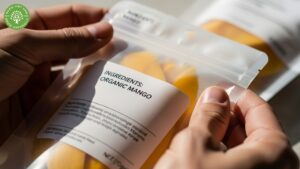
Seriously, flip that bag over before you even look at the price. The ingredient list should be hilariously short: “Organic mango” or just “Mango.” That’s the gold standard. If you see anything else—sugar, sulfur dioxide, preservatives, natural flavors—ask yourself if you really need those extras. Spoiler: you don’t.
Organic certification matters if you care about pesticide exposure. Mangos aren’t on the “Dirty Dozen” list, but organic versions are still cleaner and often taste better because the fruit was grown in healthier soil. Look for USDA Organic or equivalent certifications from other countries.
Check the texture through the packaging
This sounds weird, but try gently squeezing the package. Quality dried mango should have some give to it. If the pieces feel like cardboard or stick together in a solid mass, keep looking. The best products have individually separated pieces that are pliable and soft.
Color is another clue. Natural dried mango ranges from golden yellow to deep orange. If it’s bright neon orange, that’s usually a sign of added colorings or sulfites (used to preserve color but can cause reactions in sensitive people). We prefer the more natural, slightly duller shades that tell you nothing weird has been added.
Size and cut matter for your needs
Dried mango comes in different forms—strips, slices, chunks, halves. Strips and slices are great for snacking straight from the bag. Chunks work better if you’re planning to chop them up for recipes or trail mix. Halves look impressive and are perfect for cheese boards or gifting, but they’re harder to portion control (just saying).
Pay attention to thickness too. Thinner slices dry out faster and can get a bit tough. Thicker pieces stay chewier longer but take more effort to bite through. It’s personal preference, really. We like medium-thickness strips that hit that sweet spot between chewy and tender.
Our picks for the best dried mangos and what makes them special
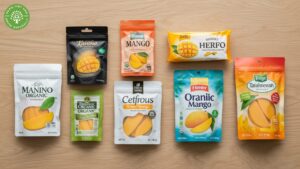
After extensive “research” (read: eating a truly irresponsible amount of dried mango), here are the brands and types that consistently deliver.
Organic, no-sugar options dominate our favorites list. Solely Organic Dried Mango Halves have earned their reputation—just pure organic mango, properly dried, with that perfect chew. Made In Nature does something similar with their organic varieties, and they’re widely available which is a huge plus.
For premium specialty options, look into small-batch producers who work directly with mango farms. These often come at a higher price point (think $12-15 per bag instead of $6-8), but the quality difference is noticeable. The fruit is picked at peak ripeness and dried more carefully. Tierra Farm and similar artisan producers fall into this category.
Value picks exist too—you don’t always need to spend big. Trader Joe’s dried mango (when you can find it in stock) offers solid quality at a fair price. Costco’s Kirkland brand occasionally stocks good dried mango in larger quantities if you’re feeding a family or just really, really like dried mango.
If you’re curious about international brands, 7D from the Philippines gets mentioned a lot in online forums. It’s sweeter than we personally prefer (they do add some sugar), but the quality is consistent and the mango variety they use has great flavor. For Southeast Asian markets, look for Thai brands that often use premium varieties.
One controversial take: expensive doesn’t always mean better. We’ve had $4 bags from ethnic grocery stores that absolutely slapped, and $18 “artisan” packages that were just… fine. Don’t be afraid to experiment with lesser-known brands, especially from stores specializing in Latin American or Asian products.
Creative ways to enjoy the best dried mangos

Okay, so you’ve bought some quality dried mango. Now what? Besides eating it straight from the bag while watching TV (no judgment—we’ve all been there), here are ways to actually use this stuff.
Rehydrating is a game-changer that not enough people know about. Soak dried mango pieces in warm water for 15-20 minutes, and they plump back up beautifully. Use the mango-infused water in smoothies or cocktails. The rehydrated fruit works great in chutneys, sauces, or anywhere you’d use fresh mango but don’t have access to good fresh ones.
For cooking and baking, chop dried mango into smaller pieces and toss into oatmeal, yogurt parfaits, or trail mix. It adds natural sweetness and chew to granola bars or energy balls. We’ve thrown it into rice dishes (think coconut rice with dried mango and cashews), and it brings this sweet-tart pop that balances savory flavors.

Storage tips actually matter if you want your mango to stay good. Once opened, keep the bag sealed tightly or transfer to an airtight container. Room temperature is fine for a few weeks, but the fridge extends the life significantly—especially in humid climates. Properly stored, best dried mangos can last 6-12 months without losing quality.
Here’s a pro move: freeze some. Yeah, frozen dried mango sounds redundant, but it creates this amazing chewy-icy texture that’s perfect for summer. Plus, frozen storage means you can buy in bulk when you find a great deal without worrying about it going bad.
Common mistakes when buying the best dried mangos
We’ve seen people mess up dried mango shopping in some pretty predictable ways. Let’s address them.
Mistake #1: Buying based on price alone. That $3.99 bag might seem like a steal until you taste it and realize it’s tough, flavorless, and loaded with added sugars. Sometimes paying $8-10 for quality is worth it when you actually enjoy eating it.
Mistake #2: Ignoring the ingredient list. This bears repeating because it’s so common. If “sugar” is the second ingredient, you’re basically eating candy disguised as healthy fruit. The whole point of dried mango is natural sweetness—don’t settle for the sugared-up versions.
Mistake #3: Storing improperly and wondering why it got weird. Dried fruit absorbs moisture and odors. If you leave the bag wide open in a humid kitchen, or store it next to onions (yes, we’ve heard stories), you’ll have problems. Use sealed containers, keep it dry, and you’re golden.
Mistake #4: Expecting it to taste like fresh mango. It doesn’t, and it shouldn’t. Drying concentrates flavors and changes the texture completely. It’s a different experience—not better or worse, just different. Adjust your expectations accordingly.
Mistake #5: Eating too much too fast. Look, dried mango is delicious. But a whole bag in one sitting? Your stomach will revolt. The concentrated fiber and sugar can cause digestive… issues. Pace yourself. Future you will be grateful.
Frequently Asked Questions
Is dried mango as healthy as fresh mango? Dried mango concentrates the sugars and calories while removing water, so it’s less filling per calorie than fresh. However, it retains most vitamins (especially A) and fiber. It’s healthy in moderation—think of it as a nutritious snack, not a meal replacement.
Why does some dried mango have sulfur dioxide? Sulfur dioxide (or sulfites) prevents browning and extends shelf life. Some people are sensitive to sulfites and experience reactions. We recommend choosing sulfite-free options when possible—natural dried mango doesn’t need these additives.
How can I tell if dried mango has gone bad? Look for mold (obvious red flag), off smells (sour or fermented), or dramatic changes in texture (extremely hard or slimy). Properly stored dried mango should stay good for months. When in doubt, trust your nose.
Can diabetics eat dried mango? Dried mango is high in natural sugars and will raise blood glucose. Diabetics should consume it in small portions (maybe 2-3 pieces) and ideally with protein or fat to slow sugar absorption. Always consult with your healthcare provider about your specific dietary needs.
What’s the difference between dried mango strips and chunks? Mostly the cut and presentation. Strips and slices are uniform and great for snacking. Chunks are smaller, good for recipes. Halves are larger and impressive-looking. The actual mango quality should be the same regardless of cut.
Start your journey to finding the best dried mangos today
Finding the best dried mangos comes down to understanding what quality looks like: one-ingredient lists, proper texture, natural color, and that concentrated tropical flavor that makes you forget you’re eating something technically healthy. At Ogani VN, we believe in real fruit without the junk—just pure mango goodness that tastes like sunshine in a bag.
Whether you’re snacking straight from the package, adding it to your morning oatmeal, or getting creative with recipes, quality dried mango elevates the experience from “meh” to “can I have more?” Don’t settle for the sugary, tough, or flavorless options when better alternatives exist.
Ready to upgrade your dried fruit game? Browse our selection of premium organic dried mango and other naturally delicious products at Ogani VN. We source only the finest quality fruits with no additives—just the way nature intended. Your taste buds (and your body) will thank you.
Read more:
- Red Dragon Fruit Dried: Your Complete Buying Guide
- Dried Red Dragon Fruit vs Fresh: Color, Nutrition & When to Use Each
- Dried Mango Vitamins: Complete Nutritional Guide
- How Many Calories in Dried Mango: Complete Nutrition Guide
- Best Dried Mangos: Premium Quality Guide for 2025