

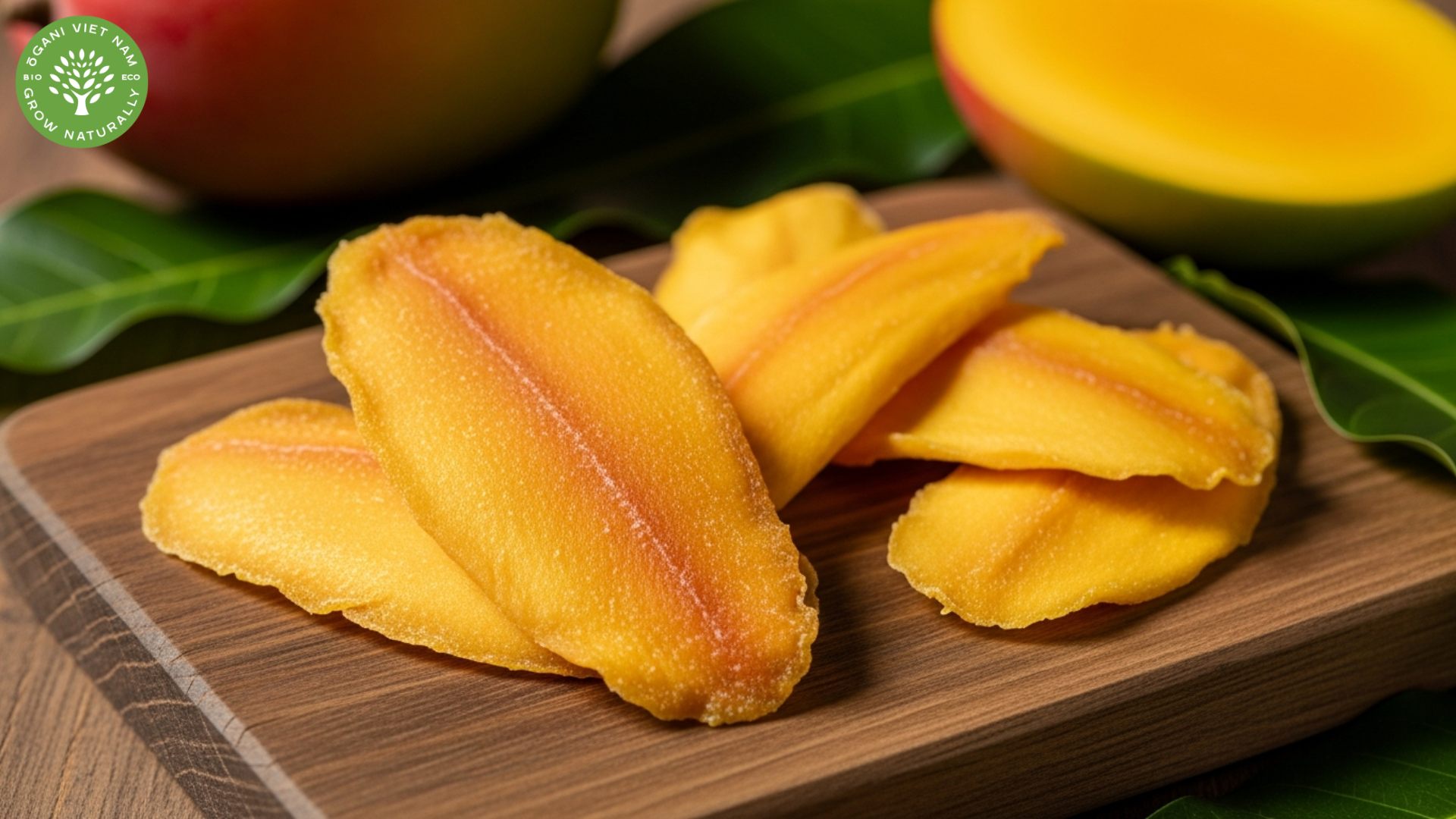
When searching for the best dried mango brands, you’re likely overwhelmed by countless options claiming to be premium, organic, or all-natural. The truth is simple: quality dried mango comes down to three factors—ingredient purity, processing method, and mango variety. At Ogani VN, we’ve tested dozens of brands and worked directly with mango farmers, and we’re here to share what really matters when choosing dried mango that’s actually worth your money.
The dried mango market has exploded in recent years, and frankly, not all brands are created equal. Some add unnecessary sugar, others use inferior mango varieties, and many over-process the fruit until it loses that authentic tropical flavor. We’ve seen customers disappointed too many times, so let’s cut through the marketing noise and talk about what genuinely separates exceptional dried mango from mediocre products.
Understanding what makes dried mango brands trustworthy
Before diving into specific brands, you need to know the red flags and quality markers. We’ve learned this the hard way—through countless taste tests and, honestly, some regrettable purchases.
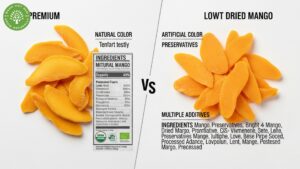
The first thing we always check is the ingredient list. Premium dried mango brands should list one ingredient: mangoes. That’s it. If you see added sugar, sulfur dioxide, artificial preservatives, or mysterious “natural flavors,” you’re not getting pure fruit. Yes, some mangoes are naturally sweeter than others, but quality brands don’t need to mask inferior fruit with additives.
Processing method matters more than most people realize. Sun-dried mangoes retain more nutrients and develop deeper flavor complexity compared to commercially dehydrated varieties. When we source mangoes, we specifically look for brands using low-temperature drying methods that preserve the fruit’s natural enzymes and vibrant color. The texture should be tender and chewy—not rubbery or overly tough.
Mango variety is something few brands openly discuss, but it dramatically affects your eating experience. Philippine Carabao mangoes offer different sweetness profiles than Mexican Ataulfos or Thai Nam Dok Mai varieties. We personally prefer working with specific cultivars known for their fiber-free texture and concentrated sweetness, which eliminates the stringy mouthfeel that cheaper brands often have.
Categories of dried mango brands worth considering
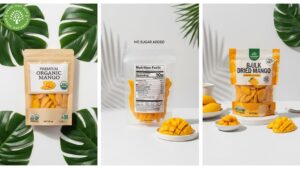
The market breaks down into distinct categories, each serving different priorities. Understanding these helps you avoid paying premium prices for standard products—or worse, choosing budget options that disappoint.
Organic and certified brands
Organic dried mango brands like Made In Nature, Solely, and Mariani dominate the premium segment. These brands undergo rigorous certification processes, ensuring mangoes are grown without synthetic pesticides or GMOs. At Ogani VN, we appreciate this commitment because we see the difference in fruit quality. Organic mangoes generally have more complex flavor profiles—you taste the terroir, the actual fruit character rather than chemical residues.
The certification process isn’t just marketing fluff. USDA Organic or equivalent certifications require documented farming practices, regular inspections, and strict processing standards. When you’re paying $7-10 for a small bag, you’re investing in transparency and agricultural sustainability. However—and this is important—organic doesn’t automatically mean better taste. We’ve tried organic brands that were still mediocre because they used inferior mango varieties or over-dried the fruit.
No sugar added and natural options
Brands like Mariani’s “No Sugar Added” line and Oso Snacks focus on single-ingredient purity. These products appeal to health-conscious consumers, diabetics, or anyone doing low-sugar diets. The challenge? Natural mango sweetness varies wildly by harvest season and variety.
We’ve noticed some “no sugar added” brands compensate by selecting only the ripest, sweetest mangoes—which is good—but others simply sell sour or bland dried fruit and hide behind the “healthy” label. The best natural dried mango should still taste indulgently sweet because the dehydration process concentrates the fruit’s natural sugars. If it tastes like cardboard, no amount of “clean ingredients” will satisfy you as a snack.
Value and bulk brands
Philippine brands like 7D, Thai producers, and bulk suppliers on Amazon cater to price-conscious buyers. These aren’t necessarily inferior—some offer excellent quality at competitive prices. The trade-off usually comes in packaging, certifications, and consistency.
We’ve had mixed experiences with bulk brands. Sometimes you get a phenomenal batch that rivals premium options. Other times, the same brand delivers overly sweet, artificially colored products that barely taste like mango. Consistency is the real issue. For daily snacking or large families, bulk brands make economic sense, but you’re gambling on quality variation batch to batch.
Critical factors when evaluating dried mango brands
Beyond brand names and marketing claims, certain tangible characteristics separate exceptional dried mango brands from disappointing purchases. We test every new brand against these criteria before considering it for Ogani VN’s product line.
Texture reveals processing quality immediately. Premium dried mango should have slight resistance when you bite—yielding to a tender, almost jam-like interior without being mushy. Overly hard pieces indicate excessive dehydration that destroyed moisture balance. Conversely, sticky-wet mango suggests insufficient drying or added syrups. We look for that Goldilocks zone: pliable enough to chew comfortably, dry enough to store without refrigeration.
Color authenticity matters more than aesthetic appeal. Bright orange-yellow dried mango often contains artificial coloring or sulfur dioxide to prevent browning. Natural dried mango ranges from golden amber to slightly brownish-orange, depending on variety and processing. If it looks neon or artificially vibrant, question what else might be artificial about that product.
Flavor complexity distinguishes artisan brands from industrial products. When you taste quality dried mango, you should detect layers: initial sweetness, subtle tartness, maybe floral notes or tropical complexity. Mass-market brands often taste one-dimensional—just sweet, without depth. We conduct blind taste tests regularly, and flavor complexity consistently correlates with processing care and mango quality.
The ingredient transparency test is simple: flip the package and read. Premium dried mango brands proudly display minimal ingredients. They highlight mango origin, processing methods, and certifications. Brands hiding behind vague sourcing or long ingredient lists typically have something to conceal. We trust companies that openly share their supply chain and processing philosophy.
Common mistakes when choosing dried mango brands
After years in the organic food industry, we’ve watched customers repeatedly make the same purchasing errors with dried mango brands. These mistakes are understandable—marketing is persuasive—but avoidable with awareness.
Assuming “organic” guarantees superior taste is perhaps the biggest misconception. Organic certification addresses agricultural practices, not flavor quality. We’ve tasted organic dried mango that was stringy, bland, or poorly processed. Conversely, some conventional brands deliver exceptional taste because they prioritize mango variety and processing precision. Look for organic AND other quality indicators—not organic alone.
Buying solely based on price—whether cheapest or most expensive—rarely optimizes satisfaction. The cheapest dried mango often contains added sugars, artificial ingredients, or inferior fruit that leaves you unsatisfied. But luxury pricing doesn’t guarantee quality either. Some premium brands charge inflated prices for beautiful packaging and marketing while using identical suppliers as mid-range competitors.
Ignoring texture and freshness during purchase leads to disappointment at home. Even quality brands sell stale products if inventory sits too long on shelves. When shopping, we check package dates, feel for pliability through packaging (if possible), and buy from retailers with high turnover. A six-month-old premium brand loses to fresh mid-range dried mango every time.
Overlooking mango origin and variety is like buying wine without knowing the grape. Philippine, Mexican, Thai, and Indian mangoes each offer distinct characteristics. Some brands blend multiple origins without disclosure, creating inconsistent batches. We prefer brands that specify mango origin and variety—it demonstrates supply chain knowledge and quality commitment.
How Ogani VN stands out among dried mango brands
We didn’t enter the dried fruit market to compete on price or marketing hype. Our approach among dried mango brands stems from genuine frustration with existing options and relationships with sustainable farming communities.
Our dried mango comes from partner farms in specific regions known for superior mango cultivars. We don’t chase the cheapest fruit or whatever’s available seasonally. Instead, we commit to farmers producing exceptional mangoes, paying fair prices that ensure quality remains consistent year-round. This means our costs are higher, but our product delivers reliable excellence.
We use minimal processing that preserves natural nutrition and flavor. No sulfur dioxide for color preservation. No added sugars to mask subpar fruit. No artificial anything. When you eat Ogani VN dried mango, you’re tasting the actual fruit—its natural sweetness, its authentic color, its real texture. This sounds simple, but achieving it requires obsessive attention to drying temperatures, timing, and quality control.
Transparency defines everything we do. We share our supplier relationships, our processing methods, even our challenges. When harvest conditions affect mango quality, we communicate honestly rather than compensating with additives. Our customers deserve to know exactly what they’re eating and where it comes from.
Sustainability guides our sourcing decisions. We work exclusively with farms using regenerative practices that improve soil health, protect water resources, and support farming communities long-term. Premium dried mango shouldn’t come at the expense of environmental degradation or farmer exploitation.
Frequently asked questions about dried mango brands
Which dried mango brand has the least sugar?
Brands like Solely and Mariani’s “No Sugar Added” line contain zero added sugars—only natural fruit sugars from the mangoes themselves. However, natural sugar content varies by mango variety and ripeness. Ogani VN’s dried mango contains approximately 16-18g natural sugars per serving without any added sweeteners.
How can I tell if dried mango is actually organic?
Look for official certification logos: USDA Organic, EU Organic, or equivalent certifications from the country of origin. These appear on packaging and indicate third-party verification. Beware of terms like “all-natural” or “naturally grown” without certification—these are marketing language without legal standards.
Why do some dried mango brands cost so much more?
Price differences reflect organic certification costs, premium mango varieties, low-temperature processing methods, fair trade premiums to farmers, and smaller production batches. However, some premium brands inflate prices through luxury branding rather than superior quality. Always evaluate based on ingredients and processing, not price alone.
Should I refrigerate dried mango after opening?
Quality dried mango with proper moisture content doesn’t require refrigeration. Store in an airtight container in a cool, dark place for up to 6 months. Refrigeration can extend shelf life but may alter texture slightly. If your dried mango becomes sticky or develops off-odors, it wasn’t adequately dried initially.
Are Philippine dried mango brands better than others?
Philippine brands like 7D benefit from exceptional mango varieties and established drying traditions. However, “better” depends on your preferences. Philippine Carabao mangoes offer distinct sweetness and texture compared to Mexican or Thai varieties. Quality exists across all origins—focus on processing methods and ingredient purity rather than origin alone.
Finding your perfect match among dried mango brands
Choosing among dried mango brands ultimately comes down to matching product characteristics with your priorities. If organic certification and sustainability matter most, brands like Made In Nature and Solely deliver verified quality. If you’re managing sugar intake, Mariani’s no-sugar-added options provide pure fruit without additives. For everyday snacking on a budget, carefully selected bulk brands can offer good value.
At Ogani VN, we believe exceptional dried mango shouldn’t require compromises. You deserve organic quality, authentic flavor, sustainable sourcing, and fair pricing in one product. We’re not the cheapest option, but we’re committed to being the most honest and consistently excellent choice.
Ready to experience dried mango that actually lives up to its premium promises? Browse our selection of organic dried mango and other superfood products. Every purchase supports sustainable farming communities and delivers the quality your family deserves. Have questions about our sourcing or processing? Contact our team—we’re always happy to share our story and help you make informed choices for healthier snacking.
Read more:
- Dry Mango Fruit: Your Complete Guide To This Sweet Superfood
- Dried Red Dragon Fruit vs Fresh: Color, Nutrition & When to Use Each
- Red Dragon Fruit Dried: Your Complete Buying Guide
- Dried Mango Fibre Content: What You Need to Know
- Dried Mango Shelf Life: How Long Does It Really Last?