

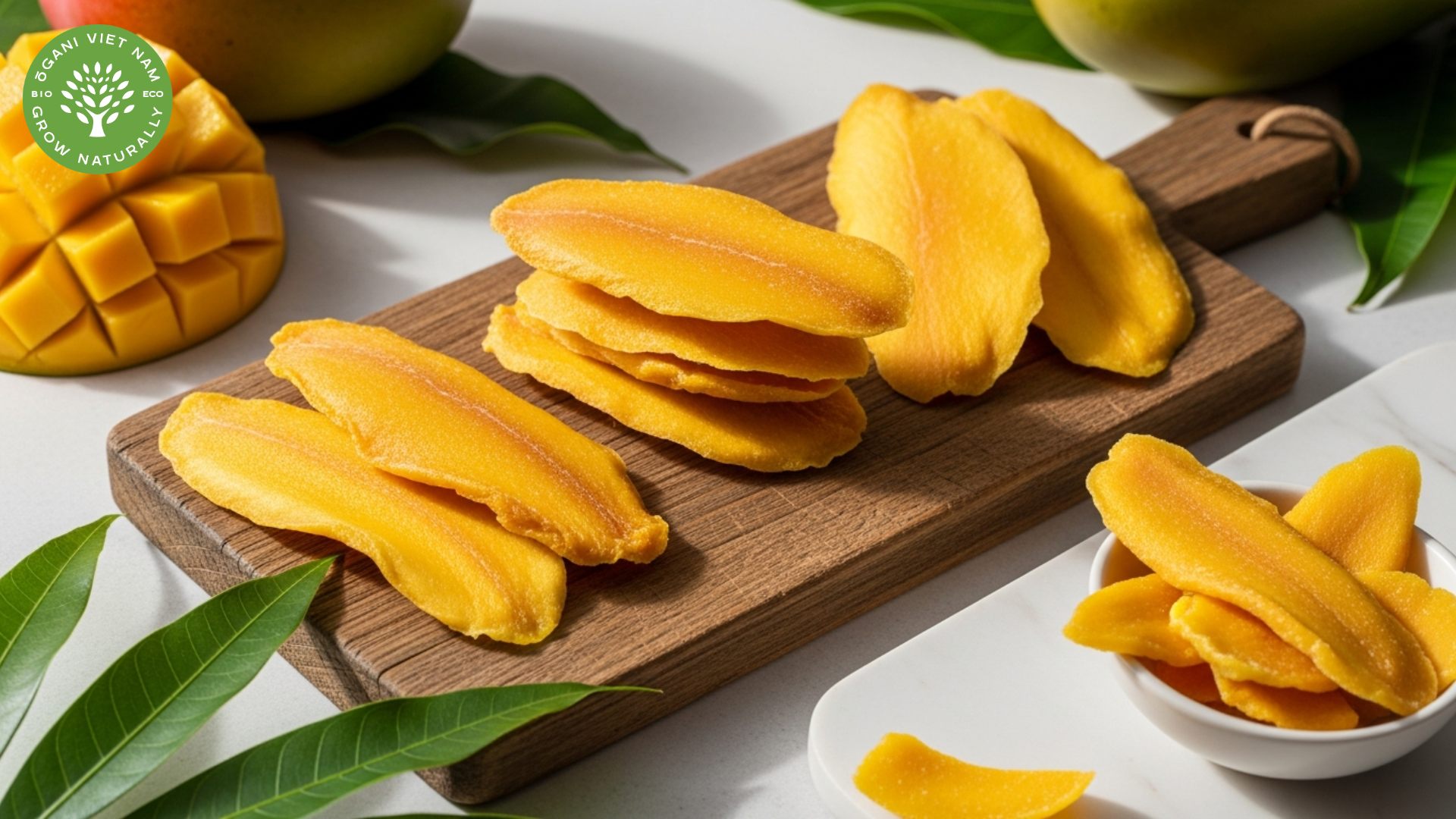
When searching for the best dried mango brand, you’re looking for products that balance natural sweetness, quality texture, and clean ingredients without excessive sugar or preservatives. At Ogani VN, we’ve analyzed top market options to help you choose dried mangoes that deliver authentic tropical flavor while meeting modern health standards.
What makes the best dried mango brand stand out?
The dried mango market explodes with options, but not all brands deliver equal quality. Superior dried mango starts with selecting ripe Carabao or Ataulfo mangoes at peak sweetness—varieties known for their rich, honey-like flavor and smooth texture. The best manufacturers use low-temperature dehydration methods that preserve natural enzymes, vitamin A content, and that vibrant golden color you crave.
Premium brands distinguish themselves through minimal processing. You’ll notice the difference immediately: thick, tender slices that retain moisture without being sticky, natural sweetness that doesn’t assault your taste buds, and ingredient lists reading simply “mango” or “organic mango”—nothing more. Brands like 7D from the Philippines and Oso Snacks have built reputations on this purity principle, consistently delivering one-ingredient products that taste like biting into fresh fruit rather than candy.
The texture tells the story. Inferior products turn chewy and tough from over-drying or feel artificially soft from added glycerin. Quality dried mango maintains that perfect chew—firm enough to satisfy but tender enough to enjoy without jaw fatigue. At Ogani VN, we source only from suppliers who understand this delicate balance.
Best dried mango brand options worth your attention

Premium organic options
Tierra Farm sets the organic dried mango standard with their select-grade strips harvested from certified orchards. Their mangoes arrive unsweetened yet burst with natural fructose—proof that quality fruit needs no enhancement. The vibrant amber color indicates proper ripening before harvest, and their careful dehydration preserves nutrients that cheaper brands lose through high-heat processing.
JustOne Organics takes transparency seriously, providing detailed sourcing information from their partner farms in Mexico and the Philippines. Their organic certification means no synthetic pesticides touched the fruit during cultivation, appealing to health-conscious consumers who scrutinize every ingredient. The price point runs higher—typically $12-15 per pound—but the flavor depth and nutritional integrity justify the investment.
Value-focused quality brands
7D Dried Mangoes from Cebu dominates the Filipino dried mango scene for good reason. Their Carabao mango variety delivers exceptional sweetness naturally, though some batches lean slightly sweeter than others due to seasonal variations. The brand maintains consistency better than most competitors at this price range, typically $8-10 per 200g pack. You’ll find these at Asian markets and increasingly in mainstream grocery chains.
Sun-Maid, famous for raisins, brings their century of dried fruit expertise to mangoes. Their California-sourced and internationally-sourced blends offer reliable quality at competitive prices. The texture stays uniformly tender, and they’ve mastered packaging that keeps moisture levels stable during storage. For families buying in bulk, their larger bags provide excellent value.
Specialty and artisan producers
MicroDried uses innovative dehydration technology that operates at extremely low temperatures over extended periods. This method produces dried mango slices with unprecedented flavor retention and nutritional preservation. The texture differs from traditional dried mango—crispier, almost chip-like—which either delights or disappoints depending on your preference. Their small-batch approach ensures quality control but limits availability.
El Ranchito Jerky expanded beyond meat products into dried tropical fruits with impressive results. Their mango slices feature a slight tang that balances the natural sweetness beautifully, achieved through careful variety selection rather than added acids. They’re harder to find outside California and the Southwest, but worth seeking out for that unique flavor profile.
How the best dried mango brand sources premium quality
Our selection process begins in the orchards. We partner exclusively with farms practicing sustainable agriculture in Vietnam’s mango-growing regions—Đồng Tháp, Tiền Giang, and Cao Lãnh provinces where the Mekong Delta’s rich soil produces exceptional fruit. The Hòa Lộc variety from these areas carries geographical indication status for a reason: unmatched fragrance and flesh density perfect for dehydration.
Before any product reaches our customers, samples undergo rigorous testing. We evaluate moisture content (ideal range: 18-22%), sugar concentration, absence of sulfur dioxide or artificial preservatives, and organoleptic properties—fancy terminology for how they smell, taste, and feel. Batches failing any criterion get rejected, no exceptions.
Temperature control during processing makes the difference between good and great dried mango. We insist our partners maintain dehydration temperatures between 50-60°C, never exceeding 65°C. Higher temperatures speed production but destroy delicate flavor compounds and heat-sensitive vitamins. This commitment to low-temperature processing costs more in time and energy, but preserves what makes dried mango nutritionally valuable beyond just being a sweet snack.
Storage and packaging receive equal attention. Dried mango’s worst enemies are oxygen, light, and moisture fluctuation. Our products arrive in food-grade, resealable pouches with oxygen absorbers, extending shelf life to 12 months while maintaining peak freshness. We’ve tested various packaging materials, and multilayer metallized film consistently outperforms cheaper alternatives.
Nutrition benefits from the best dried mango brand
Dried mango concentrates the nutritional goodness of fresh fruit into convenient, portable form. A single 40-gram serving delivers approximately 120 calories, 2 grams of dietary fiber, and 67% of your daily vitamin A requirement—crucial for eye health and immune function. The natural sugars provide quick energy, making dried mango ideal for pre-workout fuel or afternoon slumps when you need a mental boost.
The fiber content, though reduced from fresh mango, still supports digestive health. Dried mango contains both soluble and insoluble fiber that feeds beneficial gut bacteria and promotes regularity. However, moderation matters—the concentrated sugar content means a little goes far. Stick to one-ounce portions (roughly 6-8 pieces) to enjoy benefits without overdoing calories.
Antioxidants like beta-carotene and polyphenols survive the dehydration process remarkably well. These compounds combat oxidative stress in your body, potentially reducing inflammation and supporting cardiovascular health. The mangiferin found specifically in mango has attracted research attention for its anti-inflammatory properties, though more human studies are needed to confirm therapeutic benefits.
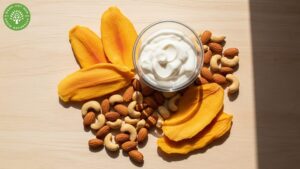
For best results, pair dried mango with protein or healthy fats. The natural sugar spike gets moderated when you combine dried mango with almonds, cashews, or Greek yogurt. This combination stabilizes blood sugar response while creating a more satisfying snack that keeps hunger at bay longer. We love adding chopped dried mango to morning oatmeal or mixing it into homemade trail mix with pumpkin seeds and dark chocolate chips.
Rehydration unlocks different uses. Soak dried mango pieces in warm water or fruit juice for 30 minutes, and you’ve got tender fruit perfect for smoothies, baking, or topping desserts. The soaking liquid becomes a sweet, tropical syrup excellent for cocktails or drizzling over pancakes—waste nothing.
Common questions about choosing the best dried mango brand
How can I tell if dried mango has added sugar?
Check the ingredient list first—if you see “sugar,” “cane syrup,” or “sweetener” listed, it’s sweetened. Natural dried mango needs only one ingredient: mango. Also examine the nutrition label: dried mango contains natural sugars around 16-20g per serving, but if you see 25g+ and “added sugars” listed separately, the product has been enhanced. Texture provides clues too—excessively sticky or candied coating indicates sugar additions.
Does organic dried mango taste better than conventional?
Organic certification ensures no synthetic pesticides were used, but doesn’t guarantee superior flavor. Taste depends more on mango variety, ripeness at harvest, and processing method. That said, organic brands often source from smaller farms with better quality control and use varieties chosen for flavor rather than just yield. We’ve found organic options generally taste cleaner and more fruit-forward, though exceptional conventional brands certainly exist.
Why do some dried mangoes look darker or lighter?
Color variation stems from mango variety, ripeness, and processing. Ataulfo mangoes produce lighter, golden-yellow dried fruit, while Kent or Tommy Atkins varieties dry darker orange. Sulfur dioxide treatment (used as a preservative) can artificially brighten color, but we avoid sulfured products. Natural color variance is normal and doesn’t indicate quality problems—focus on aroma and taste instead.
Can dried mango go bad, and how should I store it?
Yes, dried mango deteriorates over time through moisture absorption, oxidation, and potential mold growth if stored improperly. Keep it in airtight containers in a cool, dark place—pantry storage works for 6-8 months, refrigeration extends this to 12 months, and freezing preserves quality for 18+ months. Signs of spoilage include off odors, visible mold, excessive hardness or stickiness, and flavor degradation. Trust your senses.
Is dried mango suitable for diabetics?
Dried mango contains concentrated natural sugars that raise blood glucose, so diabetics should consume it cautiously and in small portions. The fiber content helps moderate sugar absorption somewhat, but the glycemic impact remains significant. Better options include pairing a small amount with protein or choosing dried mango labeled “no sugar added” combined with portion control. Always monitor blood sugar response individually and consult healthcare providers about incorporating dried fruits into meal plans.
Finding your perfect match in dried mango
Choosing the best dried mango brand comes down to understanding what quality looks like: minimal ingredients, proper texture, natural sweetness, and trustworthy sourcing. Whether you prioritize organic certification, value pricing, or unique flavor profiles, excellent options exist across all categories.
At Ogani VN, we’re committed to bringing you dried mango products that honor both traditional processing wisdom and modern food safety standards. Our Vietnamese-sourced Hòa Lộc dried mangoes represent the gold standard for tropical flavor without compromise—no added sugars, no preservatives, just pure fruit goodness.
Ready to experience truly exceptional dried mango? Browse our selection of premium Vietnamese dried mangoes, each batch carefully sourced from sustainable farms and processed to preserve maximum nutrition and flavor. Your taste buds and your body deserve nothing less than the best.
Read more:
- Baking With Dried Red Dragon Fruit: Breads, Muffins & Cookies
- Dried Red Dragon Fruit vs Fresh: Color, Nutrition & When to Use Each
- Dragon Fruit Powder: Unlocking Ít Superfood Potential for Health and Wellness.
- Red Dragon Fruit Dried: Your Complete Buying Guide
- Best Dried Mango Brand: Premium Picks for Healthy Snacking