


Dried mango is good for you when consumed in moderation. This tropical snack packs essential vitamins A and C, dietary fiber, and antioxidants that support immune health and digestion. However, the drying process concentrates natural sugars, making portion control crucial for maintaining balanced nutrition.
At Ogani VN, we understand your concern about making healthy snack choices. Let’s dive deep into what makes dried mango a nutritious option and how to enjoy it responsibly.
Nutritional breakdown: Does dried mango have the same benefits as fresh mango?
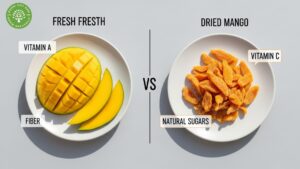
Dried mango delivers a concentrated source of nutrients compared to its fresh counterpart. When water is removed during the drying process, vitamins, minerals, and natural sugars become more densely packed into each piece.
A typical 40-gram serving (about 1/4 cup) contains approximately 120-140 calories, with 28-32 grams of carbohydrates primarily from natural fruit sugars. You’ll find around 1-2 grams of dietary fiber per serving, which aids digestive health and promotes feelings of fullness.
The vitamin content stands out remarkably. Dried mango provides substantial amounts of vitamin A (often 15-20% of your daily needs), supporting healthy vision and immune function. Vitamin C remains present despite some heat-sensitive nutrient loss during drying, while smaller amounts of vitamins E and K contribute to overall wellness. Essential minerals like potassium, magnesium, and iron appear in moderate quantities, supporting various bodily functions from heart health to oxygen transport.
The phytochemical profile includes beneficial antioxidants such as mangiferin and beta-carotene, which combat oxidative stress in your body. These plant compounds give dried mango its vibrant golden color and contribute to its health-promoting properties.
Key health advantages when comparing dried and fresh mango

Supports digestive wellness
The dietary fiber in dried mango promotes regular bowel movements and feeds beneficial gut bacteria. While fresh mango contains more water and slightly higher fiber content, dried mango still contributes meaningfully to your daily fiber intake. This concentrated form means you’re getting more fiber per bite, helping you feel satisfied longer after snacking.
Digestive enzymes naturally present in mango, though somewhat reduced through drying, may still aid in breaking down proteins and supporting overall gut function.
Boosts immune system strength
Vitamin C and vitamin A work synergistically in dried mango to strengthen your body’s defense mechanisms. Vitamin A maintains the integrity of mucous membranes—your first line of defense against pathogens entering through respiratory and digestive tracts.
The antioxidants in dried mango, particularly polyphenols and carotenoids, neutralize harmful free radicals that can damage cells. Regular consumption of antioxidant-rich foods like dried mango supports long-term cellular health and may reduce inflammation throughout your body.
Promotes healthy skin and vision
Beta-carotene, which your body converts to vitamin A, plays a critical role in maintaining skin cell regeneration and protecting against UV damage. The same nutrient supports retinal health, potentially reducing the risk of age-related vision problems.
Vitamin E, though present in smaller amounts, adds another layer of skin protection by preventing oxidative damage to skin cells and supporting moisture retention.
Provides quick, natural energy
The natural fruit sugars in dried mango—primarily fructose, glucose, and sucrose—offer readily available energy. Athletes and active individuals often choose dried mango as a pre-workout or mid-exercise snack because these simple carbohydrates digest quickly and fuel physical performance.
Unlike processed candies with refined sugars, dried mango delivers energy alongside beneficial nutrients, making it a more balanced choice when you need a quick boost.
Understanding the downsides: Does dried mango have the same benefits as fresh mango in every way?

Despite its nutritional benefits, dried mango comes with important caveats you should understand before making it a daily snack.
The most significant concern involves sugar concentration. Removing water during the drying process means you’re consuming far more sugar per volume compared to fresh mango. What might feel like a small handful could contain 25-30 grams of natural sugar—equivalent to what you’d find in 1-2 whole fresh mangoes. For individuals managing blood sugar levels or watching caloric intake, this concentration matters greatly.
Some commercially produced dried mango contains added sugar or sweeteners, dramatically increasing the total sugar content. We at Ogani VN always recommend checking ingredient labels carefully. Look for products listing only “mango” or “organic mango” without additional sweeteners, preservatives, or sulfites.
The drying process reduces certain heat-sensitive nutrients, particularly vitamin C, though not entirely. Fresh mango will always provide more of these vulnerable nutrients, so considering dried mango as a supplement to—not replacement for—fresh fruit makes nutritional sense.
Portion control poses a genuine challenge. The chewy, sweet nature of dried mango makes it easy to overconsume. Unlike eating a whole fresh mango, which naturally limits intake through volume and fiber, you can quickly consume several servings of dried mango without feeling physically full, leading to excessive calorie and sugar intake.
For people with specific dietary restrictions, dried mango may contain sulfites (used as preservatives in some brands), which can trigger reactions in sensitive individuals. Additionally, the high fiber content, while generally beneficial, might cause digestive discomfort if consumed in large quantities, especially if you’re not accustomed to high-fiber foods.
Smart ways to enjoy dried mango while maximizing benefits

Smart consumption strategies help you enjoy dried mango’s benefits while minimizing potential drawbacks.
Stick to appropriate serving sizes. Limit yourself to 30-40 grams (about 3-4 pieces) per serving, treating dried mango as a nutritious treat rather than unlimited snacking material. Pre-portioning your dried mango into small containers prevents mindless overeating.
Pair with protein or healthy fats. Combining dried mango with nuts, seeds, or yogurt slows sugar absorption and creates a more balanced snack. The protein and fat content helps stabilize blood sugar levels and increases satiety. Try mixing dried mango pieces with almonds, walnuts, or pumpkin seeds for a trail mix that delivers sustained energy.
Use as a culinary ingredient. Chop dried mango into smaller pieces and add to morning oatmeal, whole grain salads, or homemade energy bars. This approach distributes the fruit throughout a meal, preventing sugar spikes while adding natural sweetness and tropical flavor to diverse dishes.
Choose organic, unsweetened varieties. At Ogani VN, we emphasize selecting dried mango with minimal processing and no added ingredients. Organic options reduce exposure to pesticide residues, while unsweetened versions keep sugar content limited to the fruit’s natural sugars.
Time your consumption strategically. Eating dried mango after a workout helps replenish glycogen stores when your body efficiently processes carbohydrates. Alternatively, enjoy it as part of a balanced breakfast or lunch rather than as a late-night snack when insulin sensitivity typically decreases.
Stay hydrated. The concentrated nature of dried fruit means you need additional water for optimal digestion. Drinking water alongside dried mango helps fiber work effectively and prevents potential digestive discomfort.
Frequently Asked Questions
Is dried mango healthier than fresh mango?
Fresh mango generally offers more hydration and higher levels of heat-sensitive vitamins like vitamin C. However, dried mango provides more concentrated nutrients per volume and offers convenience for on-the-go snacking. Both forms deliver health benefits—choose based on your immediate needs and preferences.
Can diabetics eat dried mango?
People with diabetes can include dried mango in their diet but must carefully monitor portion sizes due to concentrated natural sugars. Always pair it with protein or fat, consume small amounts (15-20 grams maximum), and monitor blood glucose response. Consult your healthcare provider or dietitian for personalized guidance.
How much dried mango should I eat daily?
A reasonable daily portion ranges from 30-40 grams (about 1/4 cup), treating it as one fruit serving. This amount provides beneficial nutrients without excessive sugar intake. Balance dried mango consumption with fresh fruits and vegetables throughout your day.
Does dried mango cause weight gain?
Like any calorie-containing food, dried mango can contribute to weight gain if consumed excessively beyond your daily caloric needs. The concentrated sugars and calories make portion control essential. Within a balanced diet and appropriate serving sizes, dried mango can fit into weight management plans.
What’s the difference between organic and conventional dried mango?
Organic dried mango comes from mangoes grown without synthetic pesticides or fertilizers, potentially reducing chemical exposure. Organic processing standards also typically limit additional additives. While both types offer similar nutritional profiles, organic options align with preferences for cleaner ingredient lists.
Making the right choice for your healthy snacking goals
Are dried mango good for you? Absolutely—when you approach them mindfully. This vibrant tropical snack delivers genuine nutritional value through vitamins A and C, dietary fiber, antioxidants, and essential minerals that support immune function, digestive health, and overall wellness.
The key lies in informed consumption. Choose organic, unsweetened varieties, respect portion sizes, and pair dried mango with complementary foods that balance its natural sugar content. Think of dried mango as a nutritious enhancement to your diet, not a dietary staple or unlimited snack.
At Ogani VN, we’re committed to helping you make confident choices about wholesome, natural foods. Explore our selection of premium organic dried mango and discover how thoughtful snacking supports your health journey. Ready to experience the delicious benefits of quality dried mango? Visit our store today and taste the difference that careful sourcing and minimal processing make in every golden piece.
Read more:
- Baking With Dried Red Dragon Fruit: Breads, Muffins & Cookies
- Dried Red Dragon Fruit vs Fresh: Color, Nutrition & When to Use Each
- Dragon Fruit Powder: Unlocking Ít Superfood Potential for Health and Wellness.
- Does Dried Mango Have A Lot Of Sugar?
- Are Dried Mango Good For You? The Complete Truth