


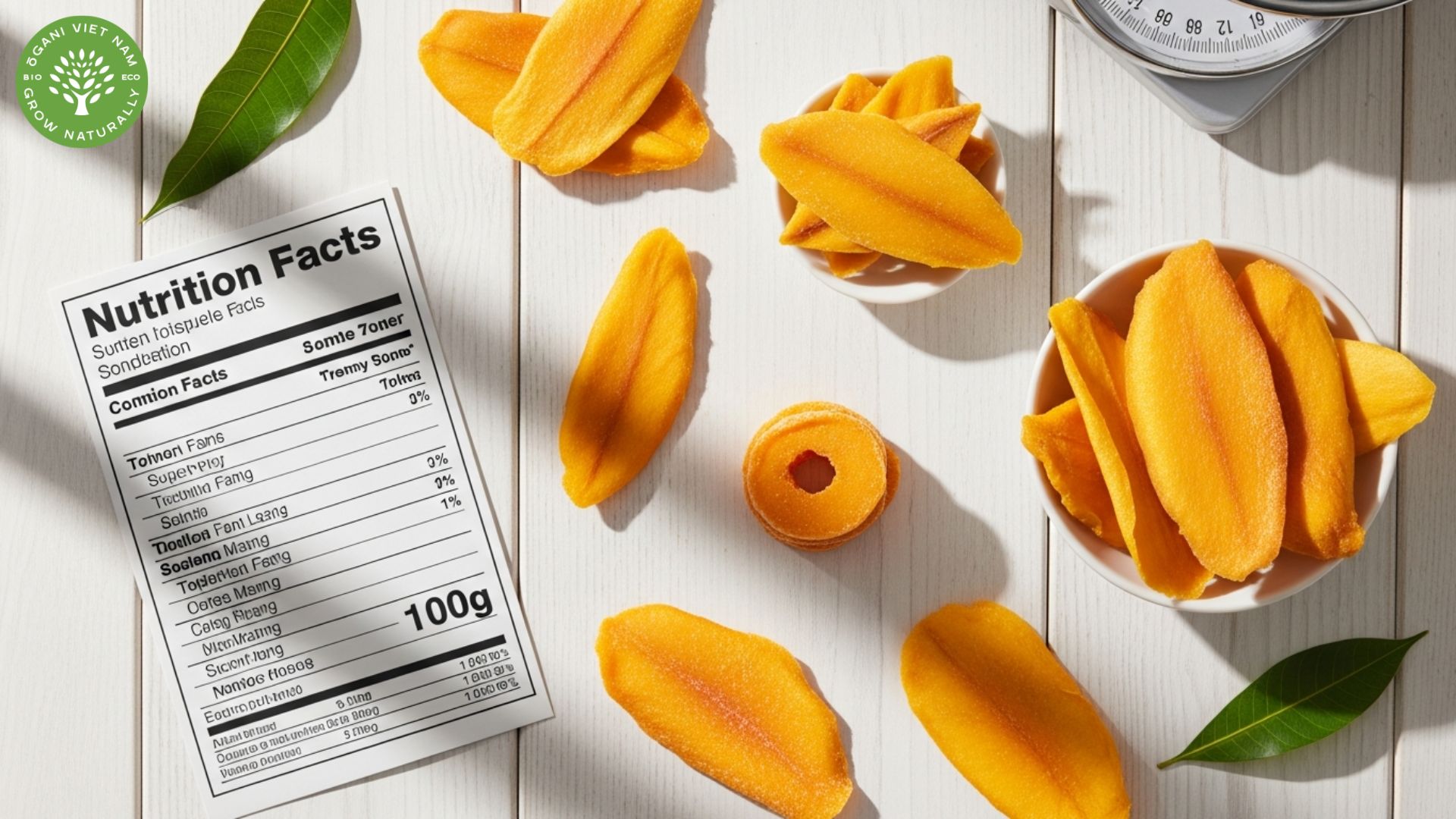
When you pick up a bag of our golden, chewy dried mango slices at Ogani VN, you’re probably wondering what’s really inside beyond that sweet, tropical taste. Per 100 grams, dried mango nutrition facts 100g typically show around 314-330 calories, 75-81 grams of carbohydrates (mostly natural sugars), 1-3 grams of protein, and less than 1.5 grams of fat. The exact numbers vary between sweetened and unsweetened varieties, but what matters most is understanding how these nutrients fit into your daily diet and lifestyle.
Dried mango nutrition facts 100g: Complete breakdown
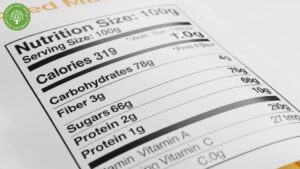
Let me be straight with you – dried mango is essentially concentrated fresh mango. When we remove about 80% of the water content during drying, all those natural sugars, vitamins, and minerals get packed into a much smaller space. That’s why the calorie density shoots up compared to fresh fruit.
Here’s what you’ll typically find in 100 grams of dried mango from Ogani VN:
| Nutrient | Amount per 100g | % Daily Value |
|---|---|---|
| Calories | 314-330 kcal | 16% |
| Total Carbohydrates | 78-81g | 26% |
| Dietary Fiber | 2-5g | 8-20% |
| Sugars | 66-73g | – |
| Protein | 1.5-2.5g | 3% |
| Total Fat | 0.8-1.2g | 1% |
| Vitamin C | 30-40mg | 40-50% |
| Vitamin A | 1800-2200 IU | 36-44% |
| Iron | 0.5-1mg | 3-6% |
| Potassium | 200-300mg | 6-9% |
Now, I’ve noticed something interesting working with dried fruits for years. The dried mango nutrition facts 100g can swing quite a bit depending on whether you’re eating plain dried mango or the sweetened version. Some brands add extra sugar or use sulfur dioxide as preservative, which changes the game entirely.
Dried mango nutrition facts 100g: Calories and macronutrients explained
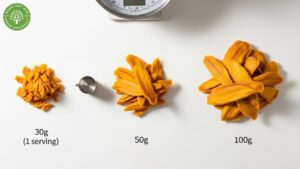
Three hundred and something calories in 100 grams might sound like a lot. And honestly? It is – that’s roughly equivalent to two medium-sized apples or a small bowl of rice. But here’s the thing most nutrition labels won’t tell you: nobody sits down and eats exactly 100 grams of dried mango in one go. A typical snack portion is more like 30-40 grams, which brings your calorie intake down to around 100-130 calories.
The carbohydrate content is where dried mango really shows its character. About 70-75% of those carbs come from natural fruit sugars – fructose, glucose, and sucrose. These are the same sugars you’d get from eating fresh mango, just concentrated. Your body processes them relatively quickly, which means you’ll get a fast energy boost. Great for a pre-workout snack or that 3 PM energy slump, not so great if you’re watching your blood sugar levels closely.
The protein and fat content? Pretty minimal, honestly. We’re talking 1-3 grams of protein and barely a gram of fat per 100 grams. This means dried mango works better as a complementary snack rather than a standalone meal replacement. I often recommend pairing it with nuts or yogurt to balance out the macros and slow down sugar absorption.
One thing that surprised me when I first dove deep into dried mango nutrition facts 100g was the fiber content. Depending on how the mango is processed, you might get anywhere from 2 to 5 grams of dietary fiber. That’s actually decent – about 8-20% of your daily fiber needs. The skin-on varieties typically pack more fiber, which also helps moderate how quickly those sugars hit your bloodstream.
Key vitamins and minerals in dried mango nutrition facts 100g
Here’s where dried mango starts earning its superfood credentials. Despite losing water during the drying process, most vitamins and minerals actually become more concentrated.
Vitamin A and beta-carotene content

The vibrant orange-yellow color of our dried mango isn’t just pretty – it signals high levels of beta-carotene, which your body converts into vitamin A. A 100-gram serving can provide anywhere from 36% to 44% of your daily vitamin A needs. This matters more than you might think. Vitamin A plays a crucial role in maintaining healthy vision, supporting your immune system, and keeping your skin glowing. I’ve had customers tell me they notice their skin looks better after adding dried mango to their regular diet, and there’s actually science backing that up.
Vitamin C retention
Now, vitamin C is tricky with dried fruits because heat and air exposure can degrade it. But here at Ogani VN, we use gentle drying methods that preserve 30-40% of the original vitamin C content. That still translates to about 40-50% of your daily requirement per 100 grams. Not too shabby for a dried fruit. Vitamin C supports collagen production, helps with iron absorption, and acts as a powerful antioxidant protecting your cells from damage.
Essential minerals
The mineral profile might not be as impressive as the vitamin content, but it’s still worth noting. Potassium helps regulate blood pressure and supports proper muscle function. Iron, although present in smaller amounts, still contributes to preventing anemia when consumed as part of a varied diet. Magnesium and calcium appear in trace amounts too.
Health benefits revealed in dried mango nutrition facts 100g
Let’s talk real benefits and real concerns – no marketing fluff here.
The good stuff first. The antioxidants in dried mango, particularly mangiferin and beta-carotene, have anti-inflammatory properties. Some studies suggest these compounds might help protect against certain types of cancer and support cardiovascular health. The fiber content aids digestion and helps maintain gut health. Plus, the natural sugars provide quick energy without any artificial additives – assuming you choose unsweetened varieties.
But – and this is important – moderation matters tremendously. The concentrated sugar content in dried mango nutrition facts 100g means you can easily overconsume calories without feeling full. I’ve seen people mindlessly munch through 200-300 grams while watching TV, not realizing they’ve just consumed 600-900 calories of pure fruit sugar. That’s more sugar than in a large soda.
For people with diabetes or those following low-sugar diets, dried mango needs careful portion control. The glycemic index sits around 55-60, which is moderate but still significant. Blood sugar can spike quickly if you eat too much at once.
Some commercial dried mangoes contain added sulfites as preservatives. While generally safe, some people experience allergic reactions or respiratory issues. That’s why we at Ogani VN specifically offer sulfite-free options – we believe clean eating shouldn’t come with question marks.
The dental aspect rarely gets mentioned, but sticky dried fruits can cling to teeth and contribute to cavities if you don’t maintain good oral hygiene. A simple rinse with water after snacking helps minimize this risk.
How sweetened vs unsweetened affects dried mango nutrition facts 100g
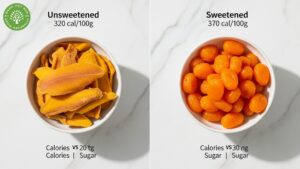
This comparison matters because the nutritional gap between these two types can be dramatic.
Unsweetened dried mango – what we call “naturally sweet” – contains only the fruit’s inherent sugars. The calorie count typically hovers around 300-320 per 100 grams. You’re getting pure fruit, nothing more. The taste is intensely mango-forward with natural tartness balancing the sweetness.
Sweetened dried mango, on the other hand, often has added cane sugar, corn syrup, or other sweeteners. This bumps calories up to 350-380 per 100 grams and can increase sugar content by an additional 10-15 grams. The texture becomes softer, sometimes almost candy-like. Some people prefer it, especially those transitioning from conventional sweets to healthier snacks.
Which should you choose? Depends on your goals. If you’re managing weight or blood sugar, unsweetened is definitely the way to go. If you’re introducing dried fruit to kids who are used to candy, sweetened varieties might serve as a stepping stone – though I’d still push for gradually reducing sweetness over time.
Frequently Asked Questions
How many dried mango pieces equal 100 grams?
Roughly 8-12 medium-sized dried mango slices equal 100 grams, depending on thickness and how they’re cut. A standard serving we recommend is about 30-40 grams (3-5 pieces), which gives you all the benefits without overdoing the sugar.
Is dried mango good for weight loss?
It can be part of a weight loss diet if you control portions strictly. The fiber helps with satiety, but the high calorie density means it’s easy to overeat. Use it as a measured snack rather than free-for-all munching.
Can diabetics eat dried mango?
Diabetics can include small amounts of dried mango occasionally, but should monitor blood sugar carefully and pair it with protein or healthy fats to slow sugar absorption. Always consult your healthcare provider about incorporating dried fruits into your meal plan.
What’s the shelf life of dried mango?
Properly stored in an airtight container away from heat and moisture, dried mango lasts 6-12 months. The natural sugars act as preservatives. If you notice any off smell or visible mold, discard immediately.
Does dried mango have more sugar than fresh mango?
By weight, yes – significantly more. Fresh mango contains about 14-15 grams of sugar per 100 grams, while dried mango nutrition facts 100g show 66-73 grams. This happens because drying concentrates the sugars. However, the sugar is still natural fruit sugar, not added sweeteners (in unsweetened varieties).
Making the most of dried mango nutrition facts 100g in your diet
Understanding dried mango nutrition facts 100g helps you make smarter snacking choices without giving up foods you love. The concentrated nutrition profile means dried mango can absolutely fit into a healthy lifestyle – you just need to respect portion sizes and choose quality products.
At Ogani VN, we’re committed to providing you with dried mango that’s minimally processed, free from unnecessary additives, and bursting with natural tropical flavor. Whether you’re looking for a quick energy boost, a vitamin C supplement, or just a delicious way to satisfy sweet cravings, our dried mango delivers.
Ready to experience the difference that quality makes? Browse our selection of premium dried mango products and discover why our customers keep coming back. Visit Ogani VN today and taste the sunshine in every bite. Your body – and your taste buds – will thank you.
Read more:
- Dry Mango Fruit: Your Complete Guide To This Sweet Superfood
- Dried Red Dragon Fruit vs Fresh: Color, Nutrition & When to Use Each
- Red Dragon Fruit Dried: Your Complete Buying Guide
- Dried Mango Fibre Content: What You Need to Know
- Dried Mango Shelf Life: How Long Does It Really Last?