


Dry mango fruit is nature’s candy transformed into a convenient, nutrient-packed snack through gentle dehydration that concentrates all the tropical goodness of fresh mangoes into chewy, golden slices. At Ogani VN, we’ve watched this humble dried fruit become a phenomenon in Vietnam’s health food scene, and honestly, we’re not surprised—it’s like capturing sunshine in a bag.
The magic happens when ripe mangoes are carefully sliced and dried, either through sun-drying, air-drying, or freeze-drying methods. What you get isn’t just a snack; it’s a portable source of energy, fiber, and essential vitamins that fits in your pocket. We remember the first time we tasted properly made organic dried mango—it was a revelation. No weird sulfur smell, no sticky artificial sweetness, just pure mango flavor that made us rethink everything we knew about dried fruit.
What makes dry mango fruit different from fresh mangoes
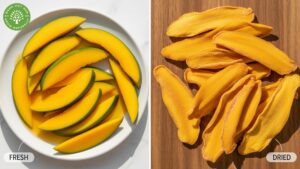
Here’s something most people don’t realize: dried mango isn’t just “less watery” mango. The dehydration process fundamentally changes how you experience this tropical fruit. When we remove approximately 75-80% of the water content, the natural sugars concentrate dramatically, creating an intensely sweet flavor that can actually taste richer than eating fresh fruit.
But there’s a trade-off worth understanding. Fresh mangoes give you that juicy, hydrating experience and slightly more vitamin C because heat-sensitive nutrients can diminish during drying. However, dry mango fruit becomes incredibly shelf-stable, transportable, and calorie-dense—making it perfect for travelers, busy professionals, or anyone who needs quick energy without refrigeration.
We’ve tested countless varieties at Ogani VN, and the quality difference between mass-produced and artisanal dried mango is staggering. Industrial processes often use sulfur dioxide to maintain that bright orange color and extend shelf life, while traditional methods rely solely on the fruit’s natural preservation. When you see brownish, naturally darkened edges on dried mango strips, that’s authenticity showing through.
The three main drying methods each create distinct textures: sun-dried produces chewy, slightly tougher pieces with deeper caramel notes; air-dried (or dehydrator-dried) creates uniform, pliable slices; and freeze-dried delivers an airy, crispy texture that melts on your tongue. At our facility, we prefer low-temperature air-drying because it preserves more nutrients while maintaining that satisfying chew Vietnamese consumers love.
Incredible nutritional benefits of dry mango fruit
Fiber powerhouse for digestive health
One handful of dry mango fruit delivers about 3-4 grams of dietary fiber, which is roughly 12-15% of your daily needs. We’ve had customers tell us their digestion improved noticeably after replacing afternoon cookies with dried mango snacks. The fiber content helps regulate bowel movements, feeds beneficial gut bacteria, and creates that satisfying fullness that prevents overeating.
What makes mango fiber special is the combination of soluble and insoluble types working together. The soluble fiber slows sugar absorption, while insoluble fiber adds bulk and keeps things moving. For Vietnamese diets often heavy in white rice and refined carbs, this natural fiber boost can be genuinely transformative.
Antioxidants and immune system support
Dried mangoes concentrate powerful antioxidants like beta-carotene (which your body converts to vitamin A), vitamin C, and various polyphenols. These compounds don’t just sound impressive in health articles—they actively neutralize free radicals that damage cells and accelerate aging.
We’ve noticed something interesting: the beta-carotene content in dried mango actually becomes more bioavailable after drying. That gorgeous orange color isn’t just pretty; it signals high levels of carotenoids that support eye health, skin vitality, and immune function. A 40-gram serving can provide 15-20% of your daily vitamin A needs, which is significant for a simple snack.
The immune-boosting properties come from the combination of vitamin C, zinc, and those polyphenolic compounds working synergistically. During Vietnam’s humid seasons when colds and flu circulate rapidly, our customers often stock up on organic dried mango as part of their wellness routine.
Essential minerals often overlooked
Beyond the famous vitamins, dry mango fruit delivers meaningful amounts of potassium (important for heart health and blood pressure regulation), magnesium (crucial for muscle function and stress management), calcium, and iron. These minerals become concentrated during drying, so you’re getting more nutritional density per gram compared to fresh fruit.
Potassium deserves special mention because most Vietnamese diets are high in sodium but low in potassium—a dangerous imbalance. Just 50 grams of quality dried mango can provide 200-300mg of potassium, helping to counteract excessive salt intake from fish sauce, instant noodles, and processed foods.
How to choose premium quality dry mango fruit

Reading labels like a pro
The ingredient list should be laughably short: “mango” or “organic mango.” That’s it. If you see sugar, corn syrup, sulfur dioxide, artificial colors, or preservatives, you’re looking at a processed product designed for shelf appeal rather than nutrition. We’ve walked through countless supermarkets in Ho Chi Minh City, and it’s shocking how many “healthy” dried mango brands load their products with unnecessary additives.
Pay attention to certifications. USDA Organic, if imported, means the mangoes were grown without synthetic pesticides. For Vietnamese products, look for VietGAP or organic certification from recognized bodies. At Ogani VN, we only source from farms we’ve personally visited and verified because organic claims without proof are frustratingly common in our market.
The term “unsweetened” matters immensely. Many manufacturers add cane sugar or fruit juice concentrate, then call it “natural.” True unsweetened dried mango relies solely on the fruit’s inherent sugars—and trust us, ripe mangoes have plenty. The flavor should be complex: sweet upfront, slightly tangy, with earthy undertones that develop as you chew.
Texture and appearance indicators
Quality dried mango should be pliable, not rock-hard or overly sticky. When you bend a slice, it should flex without immediately cracking. If it’s too hard, it was probably over-dried or made from unripe fruit. If it leaves your fingers coated in syrup, sugar was definitely added.
Color can be tricky. Sulfured dried mango maintains that brilliant orange hue that photographs beautifully but comes with chemical residues and potential sensitivity reactions. Unsulfured versions naturally darken to amber or even brownish-orange—less Instagram-worthy but infinitely healthier. We’ve educated so many customers who initially rejected our naturally-colored dried mango as “old” before learning the truth.
Look for slight variations in color and size between pieces. Machine-sliced, industrially processed mango creates uniform, identical slices. Artisanal production shows natural variation because each fruit is different, and that irregularity is actually a quality sign.
Understanding price versus value
Cheap dried mango (under 100,000 VND per 200g in Vietnam) is almost certainly using low-grade fruit, added sugars, and chemical preservatives. Premium organic dried mango typically costs 180,000-280,000 VND for the same quantity because you’re paying for superior source fruit, careful processing, and proper certification.
We’ve had customers initially balk at Ogani VN’s prices, then return repeatedly after trying cheaper alternatives. The difference in taste, texture, and how your body feels after eating is undeniable. One 40-gram serving of our organic dried mango provides sustained energy for 2-3 hours without the sugar crash that comes from sweetened versions.
Creative ways to enjoy dry mango fruit in your diet

Standalone snacking done right
The simplest approach is often the best. We recommend portioning dry mango fruit into 30-40 gram servings (about 8-10 medium pieces) rather than eating straight from the bag. The concentrated sweetness and fiber create genuine satiety, but it’s easy to mindlessly consume more than intended.
Pair dried mango with protein for balanced blood sugar. A handful alongside roasted cashews or almonds creates a satisfying snack that combines quick-digesting natural sugars with slower-burning fats and proteins. Vietnamese coffee lovers discovered that a few pieces of dried mango complement cà phê sữa đá beautifully—the fruit’s sweetness balances the coffee’s bitterness without need for extra sugar.
For children, dried mango beats candy every time. We’ve seen parents successfully transition kids from jelly sweets to dried fruit by presenting it as “nature’s candy.” The chewy texture satisfies that oral fixation kids have, and the natural sweetness hits their taste preferences without artificial additives.
Cooking and baking applications
Chopped dried mango transforms ordinary granola into something special. Mix small dice into your oat mixture before baking, and the mango pieces caramelize slightly, creating pockets of intense flavor throughout. We’ve experimented with adding it to homemade energy balls, combining dried mango with dates, nuts, and coconut for a no-bake treat that actually tastes indulgent.
Vietnamese cooks are incredibly creative with dried fruit. We’ve seen dried mango soaked in warm water and blended into smoothies for extra thickness and natural sweetness. Some customers rehydrate it and use it in mango sticky rice when fresh mangoes aren’t in season. Others dice it fine and incorporate it into spring roll fillings alongside pork and herbs for an unexpected sweet contrast.
Baking enthusiasts can substitute dried mango for raisins in virtually any recipe—cookies, muffins, bread, even savory dishes. The tropical flavor adds complexity that raisins can’t match. Just remember to chop it smaller than you think necessary; dried mango pieces can be quite chewy in baked goods if left too large.
Beverage and breakfast boost
Infusing water with dried mango creates a subtly sweet, refreshing drink without added sugars. Drop 3-4 pieces into a liter of water and let it sit overnight in the refrigerator. The mango slowly releases flavor and a hint of natural sweetness, making plain water more appealing. After infusing, you can even eat the slightly rehydrated mango pieces—they’ll be softer and less sweet but still tasty.
Morning yogurt or overnight oats benefit enormously from chopped dried mango. The fruit’s natural sugars eliminate need for honey or maple syrup, and it provides textural contrast to creamy yogurt. We personally start most days with Greek yogurt topped with our own dried mango and a sprinkle of chia seeds—simple, quick, genuinely nourishing.
Tea enthusiasts can steep dried mango pieces alongside loose-leaf tea for a fruity infusion. It works particularly well with green tea or oolong, where the mango’s sweetness balances the tea’s astringency. Some of our customers have gotten quite sophisticated, creating custom tea blends with dried mango, ginger, and lemongrass.
Proper storage tips for your dry mango fruit

Once you’ve invested in premium dry mango fruit, protecting that quality becomes important. The enemy is moisture, which can cause mold growth and texture degradation. Store opened packages in airtight containers or resealable bags, pressing out excess air before sealing. We’ve found that glass jars with rubber gasket lids work excellently for long-term storage.
Room temperature storage works fine for 2-3 months if your home isn’t too humid. For Vietnam’s tropical climate, refrigeration extends shelf life to 6-8 months and maintains optimal texture. The cold slows down any oxidation and prevents that sticky clumping that happens in humid conditions. Just let refrigerated dried mango return to room temperature before eating for best flavor.
Freezing is overkill for most situations, but it does work if you’ve bulk-purchased and want to preserve dried mango for a year or more. The texture changes slightly after freezing—pieces become a bit more brittle when first removed from the freezer but normalize as they thaw. We’ve successfully frozen dried mango for up to 18 months without significant quality loss.
Watch for warning signs of degradation: off smells (fermented or moldy), visible mold spots (white or green fuzz), or texture that’s become either rock-hard or excessively sticky. Quality dried mango should smell fruity and inviting. If you detect any sour or chemical odors, discard it—the savings aren’t worth potential health risks.
Frequently Asked Questions
Is dried mango as healthy as fresh mango?
Both forms offer nutritional benefits, but with different strengths. Fresh mango provides more vitamin C and hydration, while dried mango delivers concentrated fiber, minerals, and portability. The key difference is calorie density—dried mango packs more calories per gram, so portion control matters. Neither is “healthier” universally; it depends on your specific needs and situation.
How much dried mango can I safely eat per day?
We recommend 30-50 grams (about 1-1.5 ounces) as a reasonable daily amount for most adults. This provides nutritional benefits without excessive sugar intake. Dried mango contains 60-70% natural sugars by weight, so while it’s healthier than candy, overconsumption can still impact blood sugar and calorie intake. Listen to your body and adjust accordingly.
Can diabetics eat dried mango fruit?
Diabetics can include small amounts of unsweetened dried mango in a balanced diet, but monitoring is crucial. The concentrated natural sugars cause blood glucose elevation, so portion control is non-negotiable. Pairing dried mango with protein or healthy fats slows sugar absorption. Always consult with your healthcare provider about incorporating dried fruits into your diabetes management plan.
What’s the difference between freeze-dried and air-dried mango?
Freeze-dried mango is crispy and airy, created by freezing the fruit then removing moisture in a vacuum chamber. It’s lighter, more expensive, and crunches like chips. Air-dried (or dehydrator-dried) mango is chewy and dense, processed with warm air circulation. Both preserve nutrients well, but the texture and eating experience differ significantly. At Ogani VN, we prefer air-dried for its satisfying chew and better value.
Does dried mango need to be organic?
While not mandatory, organic certification reduces pesticide exposure and often indicates better farming practices. Mangoes are on the “moderate” tier for pesticide residues—not the worst, but not clean either. For dried fruit you’ll eat regularly, organic is a worthwhile investment in your health. The concentrated nature of dried fruit means any pesticide residues are also concentrated, making organic sourcing particularly valuable.
Start your healthy snacking journey with dry mango fruit today
Dry mango fruit represents one of nature’s most perfect snacks—portable, shelf-stable, nutritionally dense, and absolutely delicious when sourced properly. Whether you’re seeking a healthier alternative to processed sweets, need sustained energy for your active lifestyle, or simply want to enjoy mango’s tropical goodness year-round, quality dried mango delivers.
At Ogani VN, we’re passionate about connecting Vietnamese families with genuinely nutritious dried fruits that meet international organic standards. Our dry mango fruit comes from carefully selected orchards where fruit ripens naturally on the tree before being hand-harvested and gently processed to preserve maximum nutritional value. No shortcuts, no additives, no compromises.
Ready to experience the difference that premium organic dried mango makes? Visit our Ogani VN store to explore our full collection of dried fruits and superfoods. Your body—and your taste buds—will thank you for choosing quality over convenience. Order today and discover why more health-conscious Vietnamese families trust Ogani VN for their nutritious snacking needs.
Read more:
- Dry Mango Fruit: Your Complete Guide To This Sweet Superfood
- Dried Red Dragon Fruit vs Fresh: Color, Nutrition & When to Use Each
- Red Dragon Fruit Dried: Your Complete Buying Guide
- Dried Mango Fibre Content: What You Need to Know
- Mango Flakes: Nature’s Sweet & Healthy Tropical Snack
- Sweetened Dried Mango: Your Perfect Tropical Snack