


Here’s what you need to know right away: dried mango can fit into a diabetic diet when consumed mindfully. The key lies in portion control, choosing products without added sugars, and understanding how your body responds to this naturally sweet snack.
At Ogani VN, we’ve noticed many customers asking whether dried mango for diabetics is actually safe. The answer isn’t simply yes or no—it depends on several factors including the type of dried mango, portion size, and your individual glucose response. Let’s break down everything you need to make an informed decision.
How dried mango for diabetics affects blood sugar levels
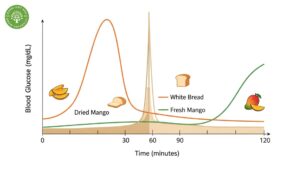
The relationship between dried mango and blood glucose is more nuanced than most people realize. When fresh mango loses its water content during the drying process, the natural sugars become concentrated. A 40-gram serving of dried mango can contain around 28 grams of carbohydrates, compared to roughly 15 grams in the same weight of fresh mango.
However, research from the National Institutes of Health shows something interesting. A 2023 study found that dried mango consumption actually lowered postprandial glucose compared to white bread in controlled settings. This suggests that the fiber content and natural compounds in mango may help moderate the glycemic response, even in its dried form.
Your individual response matters most. What causes a significant spike in one person might create only a modest increase in another. We always recommend testing your blood glucose 1-2 hours after eating dried mango to understand your personal reaction.
Understanding glycemic index in dried mango for diabetics
The glycemic index (GI) measures how quickly a food raises blood sugar levels. Fresh mango sits at around 51 (medium GI), while dried mango typically ranges from 40 to 55, depending on processing methods and whether sugars have been added.
Freeze-dried mango often retains more of its original nutritional profile and may have a lower glycemic impact than conventionally dried varieties. One study showed participants consuming 10 grams of freeze-dried mango daily for 12 weeks experienced decreased blood glucose and increased insulin levels compared to a control group.
The presence of fiber in dried mango for diabetics plays a crucial role here. Mango contains both soluble and insoluble fiber, which can slow down glucose absorption into the bloodstream. This is why dried mango, despite its concentrated sugars, doesn’t always cause the dramatic spikes you might expect from other dried fruits.
The added sugar trap
Here’s where many people trip up: commercial dried mango often contains added sugars or sweeteners that dramatically increase the carbohydrate load. A product with added sugar can push the total carbs per serving to 35-40 grams or higher. Always check the ingredient list—if it says “mango” and nothing else, you’ve found a clean product. If you see “cane sugar,” “corn syrup,” or other sweeteners listed, skip it.
Portion size makes the difference

Think of dried mango as nature’s candy. A reasonable portion for someone managing diabetes would be about 20-30 grams (roughly 3-4 small pieces). This typically contains 14-21 grams of carbohydrates. Compare that to a whole-food snack like an apple with peanut butter, which provides similar carbs but with added protein and fat to further stabilize blood sugar.
Smart strategies for including dried mango for diabetics in your diet

Eating dried mango in isolation will almost certainly cause a faster glucose rise than pairing it strategically with other foods. We’ve learned from our customers that combining dried mango with protein or healthy fats significantly moderates the blood sugar response.
Try pairing your dried mango with unsweetened Greek yogurt, a handful of almonds, or spreading almond butter on each piece. The protein and fat slow down digestion and glucose absorption, creating a more gradual rise in blood sugar rather than a sharp spike.
Timing also matters. Consuming dried mango for diabetics right after a balanced meal containing protein, vegetables, and healthy fats will generally cause less of a glycemic impact than eating it on an empty stomach. Some of our customers report that having a small portion as dessert after dinner works well for their blood sugar management.
Fresh versus dried: what the research shows
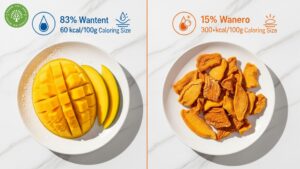
A 2023 study comparing fresh and dried mango consumption found that fresh mango led to better satiety and lower overall caloric intake throughout the day. Fresh mango also contains more water, which adds volume without adding calories, helping you feel fuller longer.
That said, dried mango offers convenience that fresh fruit simply can’t match. It travels well, doesn’t require refrigeration, and has a much longer shelf life. For people with diabetes who need portable snack options, unsweetened dried mango can be a reasonable choice when portioned correctly.
Reading labels like a pro

When shopping for dried mango, look for these key indicators. The ingredient list should be minimal—ideally just “mango” or “mango, ascorbic acid” (vitamin C, used as a preservative). Check the nutrition facts for total carbohydrates per serving, not just sugars. Many manufacturers set unrealistically small serving sizes to make the numbers look better.
Calculate carbs per 30-gram portion to compare products accurately. Some brands tout “no sugar added” but still contain 25+ grams of natural sugars per small serving, which is too much for most diabetics in one sitting.
Health benefits and potential risks of dried mango for diabetics
Beyond blood sugar concerns, dried mango provides genuine nutritional value. It’s rich in vitamin A, supporting eye health—particularly important since diabetes can affect vision over time. The vitamin C content supports immune function, and the fiber aids digestive health.
Mangos contain mangiferin, a bioactive compound that research suggests may have anti-inflammatory and blood sugar-regulating properties. While dried mango retains some of these beneficial compounds, the concentration and bioavailability can vary based on processing methods.
The primary risk isn’t the mango itself but overconsumption. Because dried fruit is concentrated and doesn’t trigger the same fullness signals as fresh fruit, it’s remarkably easy to eat three or four servings without realizing it. That’s where blood sugar problems arise—not from the mango, but from portion control failures.
Who should avoid dried mango entirely
If you’re following a strict ketogenic diet for diabetes management, dried mango won’t fit your macros. The carbohydrate content is simply too high. Similarly, if you’re in the early stages of learning to manage type 2 diabetes and still working to stabilize your blood glucose, we’d recommend focusing on lower-carb fruits like berries until you have better control.
People with gastroparesis (delayed stomach emptying, a diabetes complication) might find dried fruit harder to digest and should discuss it with their healthcare team before including it regularly.
When dried mango works in your favor
For active individuals with diabetes who need quick, portable energy before or after exercise, a small portion of dried mango can provide fast-acting carbohydrates to prevent hypoglycemia. Athletes with type 1 diabetes often use dried fruit strategically around workouts.
If you’re someone who craves sweets intensely, dried mango for diabetics can serve as a whole-food alternative to processed candy or desserts. While it still requires portion control, you’re at least getting fiber, vitamins, and minerals along with the sweetness.
Frequently Asked Questions
Can diabetics eat dried mango every day?
Daily consumption is possible if portions remain small (20-30 grams) and blood glucose monitoring shows acceptable responses. However, variety matters in any diet, so alternating with other fruit options is generally healthier than eating the same snack every single day.
Is freeze-dried mango better than regular dried mango for blood sugar control?
Freeze-dried varieties often retain more of the original nutritional profile and may cause a gentler glycemic response. They also typically contain no added sugars. However, they’re more expensive and just as calorie-dense, so portion control remains essential.
How much dried mango can a diabetic safely eat?
Most diabetes educators recommend limiting dried fruit to about 15-20 grams per serving, which equals roughly one carbohydrate exchange (15 grams of carbs). This would be 3-4 small pieces of dried mango. Always test your individual response.
What’s better for diabetics: dried mango or fresh mango?
Fresh mango is generally the better choice because of its water content, lower calorie density, and better satiety. However, unsweetened dried mango in controlled portions can fit into a diabetic meal plan, especially when fresh fruit isn’t available or convenient.
Does dried mango raise blood sugar faster than fresh mango?
Not necessarily. While dried mango is more concentrated, research shows the fiber content still helps moderate glucose absorption. Individual responses vary significantly, making personal blood sugar testing the most reliable way to know your own reaction.
Making dried mango for diabetics work in your lifestyle
The bottom line is this: dried mango isn’t a forbidden food, but it demands respect. Treat it as an occasional treat rather than a daily staple, measure your portions carefully, and pair it with protein or fat to minimize blood sugar spikes.
At Ogani VN, we offer unsweetened dried mango with no additives—just pure fruit, naturally sweet. We recommend starting with a small 20-gram portion, testing your blood glucose response, and adjusting from there based on your results.
Ready to try high-quality dried mango that respects your health needs? Browse our selection of premium dried fruits with no added sugars or preservatives. Every product comes with detailed nutritional information to help you make informed choices for your diabetes management. Shop now and discover how whole-food snacking can fit into your balanced approach to health.
Read more:
- Baking With Dried Red Dragon Fruit: Breads, Muffins & Cookies
- Dried Red Dragon Fruit vs Fresh: Color, Nutrition & When to Use Each
- Dragon Fruit Powder: Unlocking Ít Superfood Potential for Health and Wellness.
- Red Dragon Fruit Dried: Your Complete Buying Guide
- Dried Mango For Diabetics: Safe Snacking Guide