


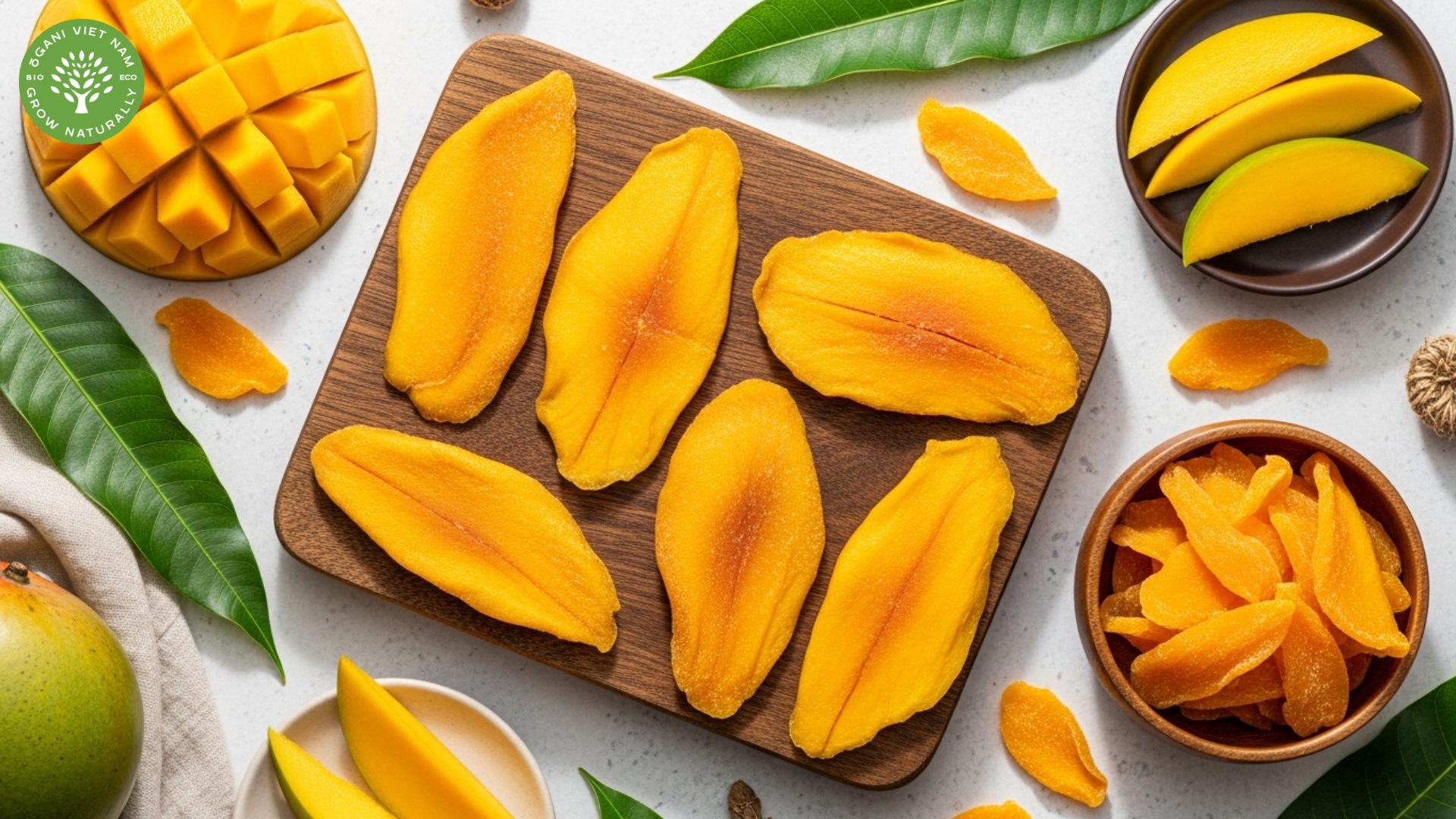
Is dried mango nutritious? Yes, dried mango is genuinely nutritious, packed with fiber, vitamins, and antioxidants – though it’s more concentrated in natural sugars than fresh mango. At Ogani VN, we’ve seen countless customers wonder if this chewy, golden snack deserves a spot in their healthy eating routine, and the answer is more nuanced than a simple yes or no.
The drying process concentrates both the good stuff and the natural sugars, creating a snack that’s legitimately beneficial when enjoyed mindfully. But here’s what most people don’t realize: not all dried mango is created equal, and how you consume it matters just as much as what’s inside.
Is dried mango nutritious? Here’s what nutrients it actually contains
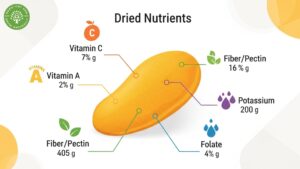
When we remove water from fresh mango through careful drying, something fascinating happens – the nutrients become incredibly concentrated. A single serving of dried mango delivers a surprising nutritional punch that goes beyond what you’d expect from a “dried fruit.”
The vitamin C content remains substantial despite some heat sensitivity during processing. You’re getting immune system support, better iron absorption, and antioxidant protection in every chewy piece. Vitamin A shows up powerfully too, supporting your vision and skin health in ways that fresh mango does, just in a more portable form.
Then there’s the fiber situation. Each serving packs about 2-3 grams of dietary fiber, primarily pectin, which is that soluble fiber your gut bacteria absolutely love. We’ve noticed customers often underestimate this – they think “candy-like texture” means “no nutritional value,” but that couldn’t be further from the truth.
Potassium deserves its own mention here. Your heart, muscles, and nervous system need this mineral, and dried mango delivers it consistently. Add in folate for cell function and small amounts of iron, and you’ve got a snack that actually contributes to your daily nutritional needs rather than just filling a craving.
Is dried mango nutritious enough to offer real health benefits?

Beyond the numbers on a nutrition label, dried mango offers tangible benefits that show up in your daily life. The fiber content we mentioned? It genuinely helps with digestive regularity. Many of our customers at Ogani VN have shared that adding dried mango to their routine helped them feel more satisfied between meals, reducing those desperate 3 PM snack attacks.
Supporting your immune function
The combination of vitamin C and antioxidants creates a one-two punch for immune support. While we’re not claiming dried mango will prevent every cold, the phytochemicals present – think polyphenols and carotenoids – do provide your body with compounds that fight oxidative stress. It’s like giving your cells tiny shields against daily damage.
Heart health considerations
Here’s where things get interesting. The pectin in dried mango has been linked to supporting healthy cholesterol levels when consumed as part of a balanced diet. The potassium helps regulate blood pressure too. But – and this is important – these benefits work best when dried mango replaces less healthy snacks, not when it’s added on top of an already questionable diet.
Energy without the crash
Unlike processed candy that sends your blood sugar on a roller coaster, dried mango has a relatively moderate glycemic index. The natural fruit sugars come packaged with fiber, which slows absorption. You get sustained energy rather than a spike-and-crash situation. We’ve heard from customers who switched from energy bars to our dried mango and noticed they felt more steady throughout the afternoon.
Is dried mango nutritious despite its high sugar content?
Let’s address the elephant in the room – yes, dried mango is high in natural sugars. A typical serving contains 20-25 grams of sugar, all naturally occurring from the fruit itself. This is where people get confused, sometimes thinking “natural” automatically means “unlimited,” which isn’t quite how it works.
The drying process removes about 80% of the water content, which means the sugars become incredibly concentrated. What was spread throughout a juicy mango slice is now packed into a chewy, dense piece that’s easy to pop into your mouth repeatedly. This is both dried mango’s strength and its potential pitfall.
But context matters enormously here. Those sugars aren’t the same as refined table sugar or high-fructose corn syrup. They come with fiber, vitamins, and beneficial plant compounds. Your body processes them differently than it would a candy bar. The key is portion awareness – something we constantly remind our Ogani VN community about.
For people managing blood sugar levels or watching their overall sugar intake, dried mango can still fit. The trick is treating it as a concentrated fruit serving rather than an unlimited snack. Pair it with nuts or cheese to slow sugar absorption even further, or use it as a natural sweetener in recipes rather than eating it straight from the bag.
How nutritious is dried mango compared to fresh mango?

This comparison surprises most people. Fresh mango and dried mango are siblings, not twins – related but with distinct personalities. Fresh mango wins on vitamin C content since heat processing reduces some of this temperature-sensitive nutrient. You’re also getting significantly more water, which helps with hydration and that satisfying, full feeling.
Dried mango, however, becomes more portable and shelf-stable. The nutrient density per gram is higher – meaning you’re getting more concentrated nutrition in a smaller package. This makes it brilliant for hiking, travel, or keeping in your desk drawer. The fiber and antioxidants remain robust through the drying process, sometimes even becoming more bioavailable.
There’s also the practical angle that nobody talks about. Fresh mangoes have a narrow window of perfect ripeness. Too early and they’re hard and bland; too late and they’re mushy. Dried mango maintains consistent quality for months. At Ogani VN, we’ve designed our drying process to preserve maximum nutritional value while creating that perfect chewy texture our customers keep coming back for.
The calorie density differs dramatically too. A cup of fresh mango has about 100 calories; a cup of dried mango can pack 300-400 calories. This isn’t inherently bad – it just means you need different portion awareness. We typically suggest enjoying dried mango by the handful, not by the bagful.
Finding the most nutritious dried mango: what makes quality matter

Not all dried mango lives up to its nutritious potential, honestly. The market is flooded with products that add unnecessary sugar, preservatives, or artificial colors – completely defeating the purpose. When you’re scanning labels, “no sugar added” should be your starting point, not your only consideration.
Look for ingredient lists that are laughably short: “Organic mango” or “Mango, citric acid (for color retention).” That’s it. If you see corn syrup, artificial sweeteners, or ingredients you can’t pronounce, put it back. At Ogani VN, we keep our dried mango obsessively simple because the fruit itself is already perfect.
Texture tells you stories too. Dried mango should be pliable and chewy, not rock-hard or suspiciously sticky. Rock-hard pieces suggest over-drying that may have destroyed more heat-sensitive nutrients. Excessively sticky or shiny pieces often indicate added sugars or syrups coating the surface.
Organic certification matters more with dried fruit than people realize. Since the drying process concentrates everything in the fruit, it also concentrates any pesticide residues. Choosing organic dried mango means you’re not getting a concentrated dose of chemicals along with your vitamins. It’s one of those “pay a bit more now, thank yourself later” situations.
Frequently Asked Questions
Can I eat dried mango every day?
Yes, but portion control is essential. A serving (about 40 grams or roughly 5-6 pieces) daily fits perfectly into a balanced diet. Think of it as your fruit serving for that snack time, not an unlimited munching option.
Is dried mango good for weight loss?
In moderation, it can support weight management by satisfying sweet cravings with actual nutrition and fiber. However, the calorie density means you need to be mindful. It’s better than chips or cookies, but it’s not a “free” food.
Does dried mango cause blood sugar spikes?
Dried mango has a moderate glycemic index thanks to its fiber content, which slows sugar absorption. For most people, it won’t cause dramatic spikes, especially when combined with protein or healthy fats. People with diabetes should monitor their individual response and consult their healthcare provider.
How much dried mango is too much?
Beyond 40-60 grams daily, you’re probably getting too much concentrated sugar and calories for most eating patterns. Your digestive system might also protest with the fiber load if you overdo it suddenly.
So, is dried mango nutritious for your lifestyle?
The answer is a confident yes – when you approach it mindfully. Is dried mango nutritious? It absolutely delivers legitimate vitamins, minerals, fiber, and antioxidants that support your overall health. The sugar content requires respect and portion awareness, but when you choose quality dried mango without added sugars and enjoy it thoughtfully, you’re getting a genuinely beneficial snack.
At Ogani VN, we’re passionate about making nutritious, organic dried mango accessible to everyone who wants real food instead of processed alternatives. Our careful drying process preserves maximum nutritional value while creating that irresistible chewy texture. If you’re ready to experience the difference that quality makes, explore our organic dried mango selection. Your taste buds and your body will thank you – we’ve seen it happen hundreds of times with our community, and we’d love you to be next.
Read more:
- Baking With Dried Red Dragon Fruit: Breads, Muffins & Cookies
- Dried Red Dragon Fruit vs Fresh: Color, Nutrition & When to Use Each
- Dragon Fruit Powder: Unlocking Ít Superfood Potential for Health and Wellness.
- Red Dragon Fruit Dried: Your Complete Buying Guide
- Is Dried Mango Nutritious? The Complete Guide to This Sweet Snack