


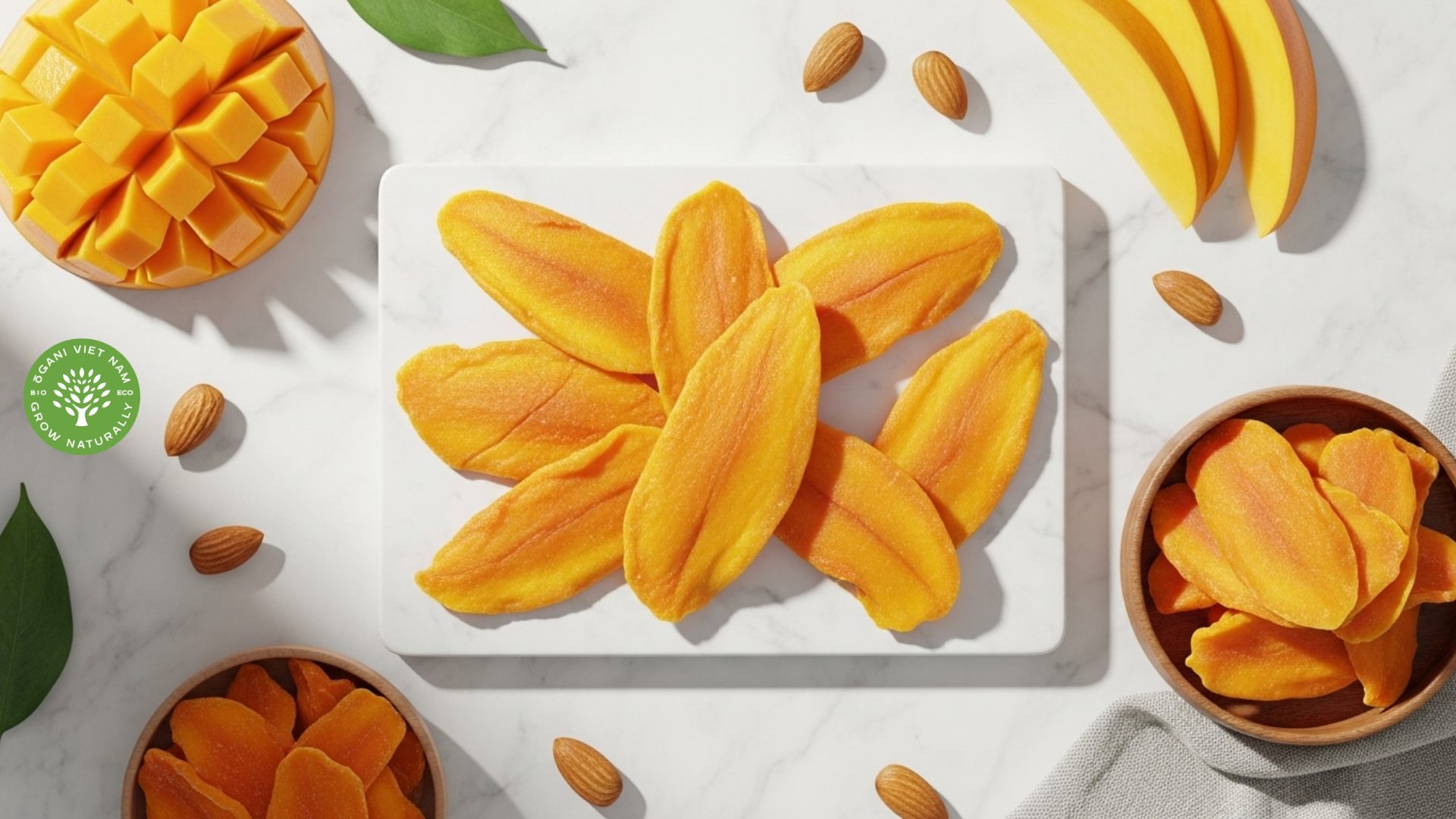
Yes, dried mango can be good for you—but like most things, it depends on how you eat it. Here at Ogani VN, we’ve seen countless customers reach for dried mango as their go-to snack, and honestly? We get it. It’s sweet, chewy, and feels like you’re doing something healthier than grabbing a candy bar. But the full story is a bit more nuanced than just “yes” or “no.”
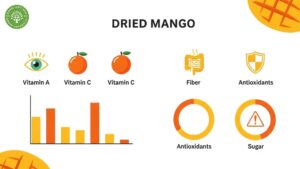
Dried mango packs a serious nutritional punch with vitamins A and C, fiber, and antioxidants. However, the drying process concentrates the natural sugars, which means you’re getting more calories and sugar per bite compared to fresh mango. The key here—and we can’t stress this enough—is moderation. A small handful can be a nutritious snack; an entire bag in one sitting? That’s where things get tricky.
Is dried mango good for you? Understanding the nutritional profile

Let’s talk numbers for a second, because understanding what’s actually in your snack matters. A typical serving of dried mango (about 40 grams or roughly a small handful) contains approximately 120-140 calories. That might not sound like much, but remember—that’s a pretty small amount of food.
The vitamin A content in dried mango is genuinely impressive. We’re talking about nearly 20% of your daily recommended intake in just one serving. Vitamin A plays a crucial role in maintaining healthy vision, supporting your immune system, and keeping your skin looking decent. Your mucous membranes also benefit from this vitamin, creating a natural barrier against bacteria and viruses trying to crash the party.
Then there’s vitamin C, though here’s where things get interesting. The drying process—especially if heat is involved—can reduce some of these heat-sensitive nutrients. You’ll still get vitamin C from dried mango, just not as much as you would from biting into a fresh, juicy mango slice. It’s one of those trade-offs you make for convenience and shelf stability.
Fiber is another win. Dried mango contains about 1-2 grams of dietary fiber per serving, which helps keep your digestion on track and contributes to that feeling of fullness. We’ve noticed customers telling us they feel more satisfied after eating dried mango compared to other sweet snacks, and the fiber content is likely a big reason why.
Is dried mango good for you? The health benefits explained
Beyond just vitamins and fiber, dried mango brings some legitimate health benefits to the table. The antioxidants deserve special mention here—these compounds help protect your body from oxidative stress caused by free radicals. Think of free radicals as tiny troublemakers in your body that can damage cells over time. Antioxidants are basically the cleanup crew.
The polyphenols and carotenoids in dried mango contribute to this antioxidant activity. Some research suggests these compounds might help reduce inflammation in the body, though we should be clear—eating dried mango isn’t going to cure any diseases. It’s just one piece of a larger healthy eating puzzle.
Your immune system gets a boost from the combination of vitamin A, vitamin C, and other essential minerals found in dried mango. During cold season, we always see an uptick in customers buying our organic dried mango, and while we wouldn’t call it a magic bullet, it certainly doesn’t hurt to have those nutrients in your corner.
Bone health gets a small assist too. Dried mango contains trace amounts of calcium and phosphorus—not enough to replace your main calcium sources, but every little bit contributes to the bigger picture. Plus, the vitamin K content (though modest) plays a role in bone metabolism.
Is dried mango good for you if you’re watching sugar intake?
Alright, let’s address the elephant in the room: sugar. This is where dried mango gets a bit controversial, and honestly, it’s the main reason some people say it’s “not healthy.”
Here’s the deal: dried mango contains a significant amount of naturally occurring sugar. When you remove water from fresh mango, you’re left with a concentrated version of everything—including the sugars. A serving can contain anywhere from 20-30 grams of sugar, depending on whether any sugar has been added during processing (which, by the way, you definitely want to avoid—always check the label for “no added sugar” versions).
We tested this ourselves—well, not scientifically, but one of our team members wore a continuous glucose monitor for a week and tracked what happened after eating dried mango. The blood sugar spike was real, folks. Not as dramatic as eating candy, but definitely noticeable. It shot up within about 30 minutes and took a while to come back down.
Compare that to fresh mango, and the difference becomes clear. Studies have shown that fresh mango consumption may be beneficial in improving satiety responses and postprandial glucose control when compared to dried mango. The water content in fresh mango helps slow down sugar absorption, while the concentrated nature of dried mango means your body processes those sugars more quickly.
Does this mean dried mango is “bad”? Not necessarily. It just means you need to be smart about it. If you have diabetes, are watching your blood sugar, or are trying to lose weight, you’ll want to keep portions small and pair dried mango with some protein or healthy fat to help moderate that glucose response.
Is dried mango good for you compared to fresh mango?
We get asked this constantly at Ogani VN: “Should I just eat fresh mango instead?” And look, we sell both, so we have no dog in this fight. Each has its place.
Fresh mango wins on the hydration front—it’s about 80% water, which means you’re getting hydrated while you snack. It also typically has more vitamin C (since heat processing hasn’t degraded it) and causes less dramatic blood sugar spikes due to that water content. Plus, there’s something undeniably satisfying about cutting into a perfectly ripe mango.
But dried mango has its own advantages. The shelf life is obviously much longer—you can throw a bag in your gym bag, desk drawer, or hiking backpack without worrying about it going bad in a few days. It’s portable, less messy (no sticky juice running down your hands), and honestly, the concentrated flavor is pretty amazing. Some people actually prefer that intense sweetness and chewy texture.
The fiber content is more concentrated in dried mango too, gram for gram. So if you’re looking to increase your fiber intake, dried mango packs more into a smaller volume. Just remember that “smaller volume” thing also applies to calories and sugar.
Making dried mango good for you: smart eating strategies

Moderation—we know, we know, everyone says this about everything. But with dried mango, it actually matters. Here’s how we recommend enjoying it without overdoing it:
Portion control is everything. Measure out about 30-40 grams (roughly 3-4 pieces, depending on size) instead of eating straight from the bag. It’s way too easy to mindlessly munch through several servings without realizing it. We’ve been there—suddenly the bag is empty and you’re wondering where the last hour went.
Pair it strategically. Combine dried mango with a small handful of nuts or a piece of cheese. The protein and fat help slow down sugar absorption and keep you feeling satisfied longer. We personally love dried mango with raw almonds—the combination of sweet and slightly bitter just works.
Use it as an ingredient, not just a standalone snack. Chop dried mango into your morning oatmeal, yogurt, or salad. This way you’re getting the flavor and nutrients without eating a huge quantity. We’ve also seen customers blend small amounts into smoothies for natural sweetness.
Choose quality products. Read those labels carefully. Look for organic dried mango with no added sugar, no sulfites (these are preservatives that some people are sensitive to), and minimal processing. The ingredient list should basically just say “mango.” If you see a bunch of things you can’t pronounce, maybe reconsider.
Timing matters. Having dried mango after a meal that contains protein and fiber will result in a more moderate blood sugar response than eating it alone on an empty stomach. Some of our customers treat it as a post-lunch dessert rather than a standalone snack, which seems to work well.
Frequently Asked Questions
How much dried mango should I eat per day?
A reasonable portion is about 30-40 grams (3-4 pieces), which you can enjoy most days if it fits into your overall diet. If you’re watching your sugar intake or managing diabetes, consider limiting it to 2-3 times per week.
Is dried mango better than candy?
Generally yes, because dried mango provides actual nutrients like vitamins, minerals, and fiber alongside the sugar. Candy is typically just empty calories. However, the sugar content can be comparable, so it’s still a treat rather than a free-for-all food.
Does dried mango help with constipation?
The fiber in dried mango can support digestive health and help with regularity, though you’d need to eat it as part of an overall high-fiber diet with plenty of water. It’s not a miracle cure, but it doesn’t hurt.
Can I eat dried mango while trying to lose weight?
You can, but be mindful of portions. The calorie density is high, so it’s easy to consume several hundred calories quickly. Track your portions and make sure it fits within your daily calorie goals.
Is organic dried mango worth the extra cost?
At Ogani VN, we think so—organic varieties avoid pesticide residues and are often processed more carefully. However, conventional dried mango can still be a healthy choice if you’re on a budget. Just wash your hands after handling and look for quality brands.
The bottom line on dried mango as a healthy snack
So, is dried mango good for you? The answer is a qualified yes. It’s a nutrient-dense snack that provides valuable vitamins, antioxidants, and fiber—but it’s also concentrated in natural sugars and calories. The key is treating it as a nutritious treat rather than an unlimited snack.
At Ogani VN, we believe in real food that tastes good and does good for your body. Our organic dried mango is carefully sourced and processed to maintain maximum nutritional value without any added sugar or unnecessary additives. When you choose quality dried mango and eat it mindfully, you’re giving your body genuine nutrition in a convenient, delicious package.
Ready to try premium dried mango that’s actually good for you? Browse our selection of organic dried fruits at Ogani VN today, and discover how a small, intentional portion can satisfy your sweet tooth while supporting your health goals. Your body (and your taste buds) will thank you.
Read more:
- Baking With Dried Red Dragon Fruit: Breads, Muffins & Cookies
- Dried Red Dragon Fruit vs Fresh: Color, Nutrition & When to Use Each
- Dragon Fruit Powder: Unlocking Ít Superfood Potential for Health and Wellness.
- Red Dragon Fruit Dried: Your Complete Buying Guide