



Red dragon fruit benefits your health in remarkable ways—and if you’ve walked past those vibrant pink fruits at the market wondering what the fuss is about, here’s your answer. This stunning fruit delivers powerful antioxidants called betalains that protect your cells, high fiber for smooth digestion, vitamin C to boost immunity, and natural compounds that help manage blood sugar and cholesterol. The deep crimson flesh isn’t just Instagram-worthy; it’s genuinely packed with nutrients that paler varieties simply can’t match.
At Ogani VN, we’ve watched red dragon fruit transform from an exotic curiosity into a superfood staple, and honestly? The hype is justified. Let’s dig into why this gorgeous fruit deserves a regular spot in your diet.
What makes red dragon fruit benefits stand out?
The moment you slice open a red dragon fruit (also called red pitaya), you’ll notice that spectacular magenta flesh that stains your fingers—and that’s actually your first clue to its power. Those vivid pigments are betalains and anthocyanins, the same antioxidant family that gives beets and berries their health reputation.
Here’s what sets red dragon fruit apart: while white-fleshed varieties are perfectly healthy, the red ones contain significantly higher levels of these protective compounds. Think of it like comparing green tea to matcha—both beneficial, but one’s more concentrated.
The fruit grows on climbing cacti, originally from Central America but now thriving across Southeast Asia. We source ours from Vietnamese farms where the tropical climate creates ideal growing conditions. What makes us excited about red dragon fruit benefits isn’t just tradition—it’s the growing body of research showing measurable health impacts.
Nutritional profile at a glance
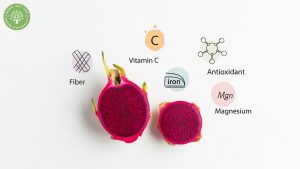
A typical 6-ounce serving (about 170 grams) of red dragon fruit delivers:
- Only 102 calories
- 2.5 grams of fiber (10% of your daily needs)
- 4 milligrams of vitamin C (about 5% daily value)
- Decent amounts of magnesium, iron, and phosphorus
- Nearly zero fat
But numbers don’t tell the full story. The real magic happens in how these nutrients work together in your body.
Dragon fruit benefits red: Antioxidant powerhouse for cells

Remember how we mentioned betalains? These aren’t just pretty pigments—they’re serious disease-fighters. When you eat red dragon fruit, you’re essentially giving your cells tiny bodyguards against oxidative stress.
Oxidative stress happens when free radicals (unstable molecules from pollution, stress, even normal metabolism) attack your cells. Over time, this damage accumulates and contributes to aging, chronic inflammation, and disease. Antioxidants neutralize these troublemakers before they cause harm.
The betacyanin in red dragon fruit has been studied for its ability to reduce total cholesterol and LDL (the “bad” kind). One study found that participants who consumed red pitaya regularly showed measurable improvements in their lipid profiles. We’re not saying it replaces your doctor’s advice—but as part of a balanced diet, it’s a delicious ally.
What we love about getting antioxidants from whole fruits rather than supplements: you get the synergistic effect of multiple compounds working together, plus fiber and water to help your body absorb everything properly.
Digestive health and gut microbiome support

Let’s talk about something unglamorous but crucial: your digestive system. Red dragon fruit benefits your gut in ways that ripple through your entire wellbeing.
The fiber content in red dragon fruit is significant—not just any fiber, but a mix of soluble and insoluble types. Soluble fiber acts like a sponge, slowing digestion and helping you feel satisfied. Insoluble fiber adds bulk and keeps things moving, preventing constipation.
But here’s where it gets interesting: the seeds (those tiny black specks throughout the flesh) contain additional fiber and healthy fatty acids. Unlike watermelon seeds that people spit out, these are meant to be eaten. They add a pleasant crunch and deliver omega-3 and omega-6 fatty acids.
Your gut microbiome—those trillions of bacteria living in your intestines—thrive on fiber. Think of it as fertilizer for your good bacteria. When you feed them well with foods like red pitaya, they produce short-chain fatty acids that reduce inflammation and support immune function.
We’ve heard from customers who struggled with sluggish digestion and found that adding red dragon fruit to their morning routine (blended into smoothies or eaten fresh) made a noticeable difference within a week. Your mileage may vary, but it’s worth trying if you’re looking for a gentle, natural approach.
Red dragon fruit benefits for blood sugar control

If you’re watching your blood sugar—whether you have diabetes, prediabetes, or just want stable energy throughout the day—red dragon fruit might surprise you. Despite tasting mildly sweet, it has a relatively low glycemic impact.
The fiber we mentioned earlier? It slows down how quickly sugar enters your bloodstream, preventing those energy spikes and crashes. Some research suggests that compounds in dragon fruit may actually improve insulin sensitivity, helping your cells respond better to insulin signals.
How to incorporate it for blood sugar management
For best results, pair red dragon fruit with protein or healthy fats:
- Add chunks to Greek yogurt with nuts
- Blend into a smoothie with avocado and spinach
- Serve alongside eggs for breakfast
- Mix into a salad with grilled chicken
Eating fruit alone on an empty stomach can still cause some blood sugar rise, but combining it with other macronutrients moderates that response. At Ogani VN, we always recommend thinking about fruit as part of a balanced meal, not in isolation.
One caveat: if you’re on blood sugar medication, talk to your doctor before making significant dietary changes. While red dragon fruit benefits are real, you want to ensure any additions to your diet work with your treatment plan.
Heart health and cardiovascular support

Your heart works tirelessly, pumping blood 100,000 times per day. It deserves good fuel, and red dragon fruit delivers several cardiovascular benefits worth noting.
First, those betalains we keep mentioning? They’ve been shown to reduce LDL cholesterol and total cholesterol levels. High LDL contributes to plaque buildup in arteries, increasing heart disease risk. By helping manage cholesterol, red pitaya supports cleaner, more flexible blood vessels.
Second, the seeds contain monounsaturated and polyunsaturated fats—the heart-healthy kinds that reduce inflammation and support proper blood flow. It’s a small amount compared to, say, salmon or walnuts, but every bit helps.
Third, dragon fruit provides magnesium and potassium, minerals essential for regulating blood pressure and heart rhythm. Magnesium helps blood vessels relax, while potassium balances out sodium’s effects.
We’re not claiming red dragon fruit will prevent heart disease on its own—cardiovascular health depends on your entire lifestyle, genetics, and medical care. But as part of a diet rich in fruits, vegetables, whole grains, and healthy fats? It’s definitely pulling its weight.
A customer once told us she started buying red dragon fruit after her doctor suggested adding more antioxidant-rich foods to support her recovery from high cholesterol. Six months later, her numbers had improved alongside medication and lifestyle changes. She couldn’t say if the fruit was the key factor, but she loved having such a tasty component in her health strategy.
Immune system boost and inflammation reduction
Let’s be honest—especially after recent years, we’re all thinking more about immune health. While no single food is a magic shield, red dragon fruit benefits your immune system in several complementary ways.
Vitamin C is the star player here. Though red dragon fruit doesn’t contain as much as oranges or kiwis, it still contributes to your daily needs. Vitamin C supports the production and function of white blood cells, your body’s frontline defenders against pathogens.
But the real immune advantage comes from the anti-inflammatory properties of those anthocyanins and betalains. Chronic inflammation is like a constant low-grade fire in your body, wearing down your immune system and contributing to countless health issues. Antioxidants help extinguish that fire.
The gut health benefits we discussed earlier? They circle back to immunity too, since about 70% of your immune system resides in your gut. By supporting your microbiome with fiber and prebiotics, you’re indirectly strengthening your immune response.
At Ogani VN, we’ve noticed customers often discover red dragon fruit when they’re exploring anti-inflammatory diets. It fits beautifully alongside berries, leafy greens, turmeric, and fatty fish—all working together to reduce systemic inflammation.
Dragon fruit benefits red versus white varieties

Here’s a question we get constantly: is red dragon fruit really better than white, or is it just prettier?
The honest answer: both varieties are nutritious, but red has measurable advantages. The deep crimson color indicates higher concentrations of betalains and anthocyanins—those powerful antioxidants we’ve discussed throughout this article. Red dragon fruit is also richer in iron and slightly higher in fiber.
Red dragon fruit benefits include:
- 2-3 times more antioxidants than white varieties
- Higher iron content (important for preventing anemia)
- More intense flavor (slightly sweeter, earthier)
- Superior anti-aging properties due to concentrated betalains
White dragon fruit isn’t inferior—it still provides vitamin C, fiber, and other nutrients. But if you’re choosing based on maximum health impact, red wins. The trade-off? It’s often slightly more expensive and can stain clothing if you’re not careful (speaking from experience here).
One fun note: some people find red dragon fruit has a richer, almost berry-like undertone, while white is more subtle and cucumber-like. Taste is personal, but we lean toward red both for flavor and nutrition.
Frequently Asked Questions
Can I eat red dragon fruit every day?
Absolutely. Red dragon fruit is safe for daily consumption and provides consistent nutritional benefits. Most people eat 1-2 fruits per day without any issues. The high fiber content means eating too much might cause digestive discomfort, but you’d have to eat quite a lot.
Does red dragon fruit help with weight loss?
Indirectly, yes. At only 102 calories per serving with good fiber content, it’s a satisfying, nutrient-dense snack that can replace higher-calorie options. The fiber helps you feel full longer, potentially reducing overall calorie intake. But no single food causes weight loss—it’s about your overall diet and lifestyle.
Will red dragon fruit stain my teeth or digestive system?
You might notice temporary pink or red coloring in your urine or stool after eating red dragon fruit—this is completely harmless and just the betalain pigments passing through. It typically clears within 24-48 hours. As for teeth staining, it’s minimal and temporary, like eating berries.
How do I know when a red dragon fruit is ripe?
Look for bright, evenly colored skin without too many brown spots. The fruit should give slightly when pressed, like a ripe avocado. If it’s rock hard, let it ripen at room temperature for a few days. Once ripe, store in the refrigerator for up to 5 days.
Can diabetics eat red dragon fruit safely?
Generally yes, but in moderation and as part of a balanced meal. The fiber helps moderate blood sugar impact, but it still contains natural sugars. Anyone managing diabetes should monitor their response and consult their healthcare provider about incorporating any new foods.
Start enjoying red dragon fruit benefits today
The red dragon fruit benefits we’ve explored—from powerful antioxidants and digestive support to heart health and immune function—make this exotic fruit far more than just a pretty face. Its deep magenta flesh signals the presence of betalains and anthocyanins that actively protect your cells, while fiber, vitamins, and minerals support multiple body systems simultaneously.
At Ogani VN, we’re passionate about connecting you with foods that genuinely enhance your wellbeing. Red dragon fruit exemplifies what we love: natural, minimally processed nutrition that tastes incredible and delivers measurable health advantages.
Ready to experience these benefits for yourself? Visit our store or browse our online selection of fresh, premium-quality red dragon fruit sourced from Vietnam’s finest farms. We carefully select each fruit for optimal ripeness and nutrient density, ensuring you get maximum value with every purchase.
Start with one or two fruits this week—add them to smoothies, slice them into fruit salads, or simply enjoy the refreshing flesh straight from the skin. Your body will thank you, and you might just discover your new favorite superfood.
Have questions about selecting, storing, or preparing red dragon fruit? Our team at Ogani VN is here to help. Contact us today and let’s talk about incorporating this nutritional powerhouse into your healthy lifestyle.
Read more:
- Is Organic Dried Mango Good For You? Health Benefits Revealed
- Best Dried Mango No Sugar Added: Premium Quality Guide
- Calories In Dried Mango No Sugar Added: Complete Nutrition Guide
- Are Dried Mangoes Good For You? The Complete Health Guide
- Pink Pitaya Benefits: Your Complete Wellness Guide