


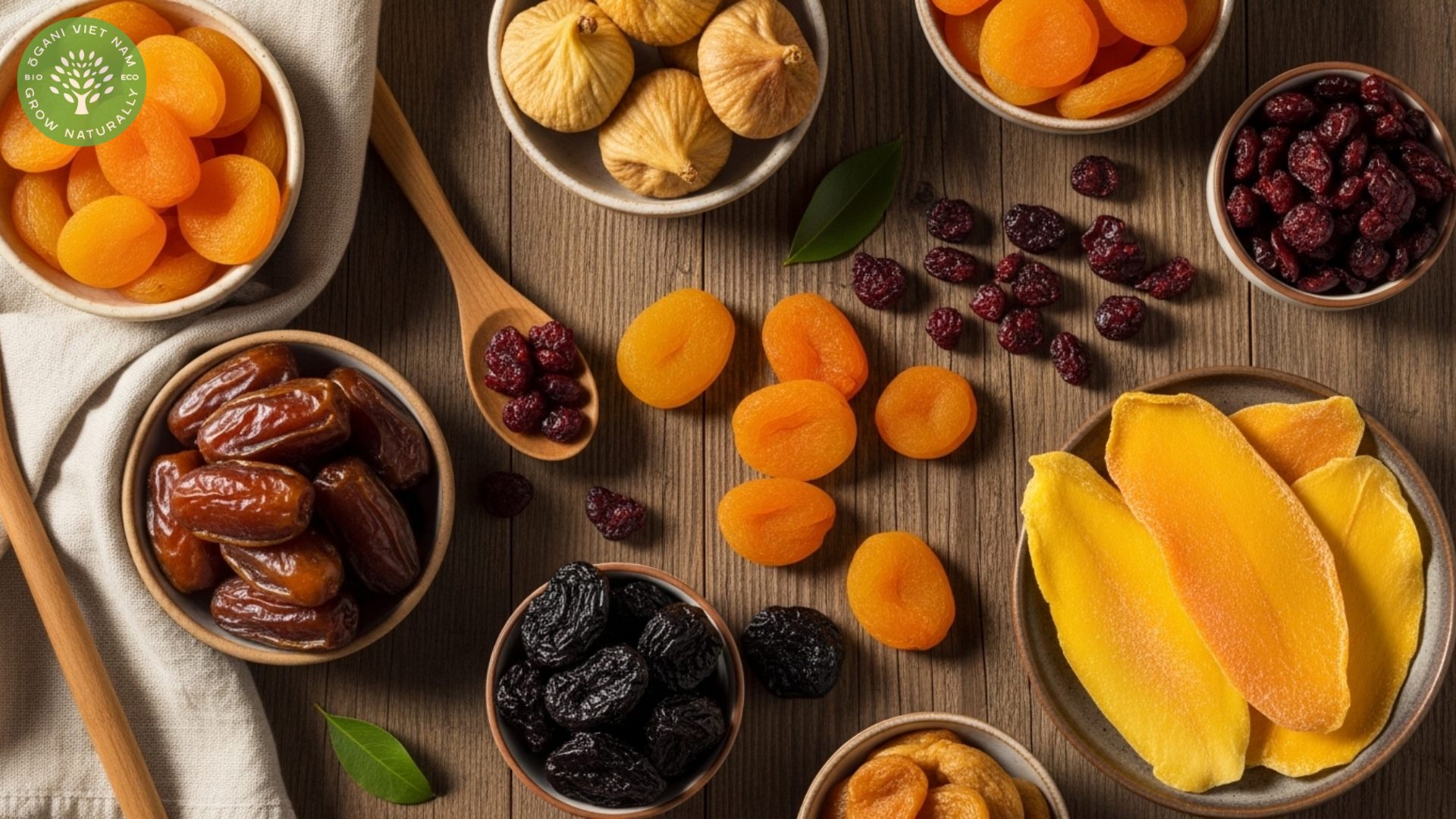
Soft dry fruits are a game-changer in the world of healthy snacking. Unlike their bone-dry cousins that crack between your teeth, these tender morsels retain just enough moisture to give you that satisfying chew—think plump apricots, sticky-sweet figs, and mango slices that practically melt on your tongue. At Ogani VN, we’ve watched these little gems transform from a niche product into something our customers can’t stop talking about, and honestly? We get it.
What makes soft dried fruits different from regular dried fruits?

Here’s the thing most people don’t realize: not all dried fruits are created equal. Walk down any snack aisle and you’ll find two distinct camps—the rock-hard ones that could double as projectiles, and the soft-dried varieties that actually feel like you’re eating fruit.
The secret lies in the drying process. Traditional dried fruits lose about 80-90% of their water content, leaving them crispy or leathery. Soft dry fruits, on the other hand, are only partially dehydrated—usually retaining around 20-30% moisture. This semi-dried approach (some folks call it “soft-dried” or “moist-dried”) preserves that tender, chewy texture while still extending shelf life significantly.
We use gentle dehydration methods at lower temperatures, typically between 60-70°C. Sure, it takes longer than blasting fruit with high heat, but the payoff is huge. You get fruit that tastes closer to fresh, keeps more of its natural vitamins, and doesn’t require you to soak it in water before eating. When we first started offering these at Ogani VN, customers would come back asking, “What did you do to these mangoes? They’re nothing like the ones I usually buy!”
Health benefits of soft dry fruits that actually matter
Let’s cut through the wellness noise for a second. Are soft dry fruits healthy? Yes—but with some important caveats.
Organic soft dried fruits pack a serious nutritional punch. A handful of dried apricots gives you a solid dose of vitamin A, potassium, and fiber. Prunes are famous for their digestive benefits (though maybe not the most glamorous claim to fame). Figs bring calcium and antioxidants to the table. And because the drying process concentrates nutrients, you’re often getting more bang for your buck compared to fresh fruit by volume.
Here’s where it gets tricky, though. Some brands load their products with added sugar, sulfites for color preservation, and other additives you definitely don’t need. We’re talking the difference between 8 grams of natural fruit sugar and 25 grams of added sweetness per serving. That’s why at Ogani VN, we obsess over sourcing naturally sweet varieties and keeping the ingredient list to literally one thing: fruit.
The fiber content deserves its own shout-out. Most soft dried fruits contain 3-5 grams of fiber per serving, which is pretty solid for gut health and keeping you full between meals. Dates and prunes lead the pack here, while also being naturally vegan and gluten-free—though honestly, fruit is inherently both those things unless someone’s done something very weird to it.
One quick reality check: portion control matters. These are concentrated sources of calories and natural sugars, so treating them like candy won’t do your blood sugar any favors. We tell customers to think of them as a satisfying snack, not something to mindlessly munch through while binge-watching a series.
The soft dry fruits all-stars worth knowing
Not every fruit makes the cut when it comes to soft drying. Some varieties just work better than others, and after years of testing (read: eating a lot of dried fruit), we’ve figured out which ones deliver consistently.
Stone fruits reign supreme

Apricots are probably the most popular soft dry fruits for good reason. They maintain that perfect balance of tang and sweetness, with a texture that’s pillowy without being mushy. Turkish apricots tend to be larger and more vibrant orange (often from sulfur dioxide treatment), while California organic varieties look paler but taste incredible.
Prunes—which are just dried plums, in case anyone was confused—deserve way more credit than their grandparent-snack reputation suggests. They’re intensely sweet with subtle wine-like notes, and yeah, they help things move along if you catch our drift. We’ve had multiple customers admit they started eating them “for health reasons” and ended up genuinely enjoying them.
Tropical treats that transport you
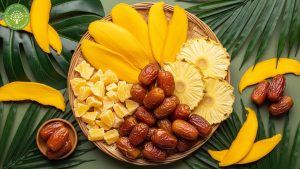
Mango slices are where soft drying really shines. Fresh mango can be a pain to deal with—sticky, stringy, limited season. But naturally sweet soft-dried mango? Available year-round, no mess, concentrated tropical flavor that’s almost candy-like. Same goes for pineapple, which keeps that tart-sweet punch without the tongue-burning enzymes of fresh fruit.
Dates might be the OG soft dried fruit, considering they’ve been naturally sun-dried in Middle Eastern regions for thousands of years. Medjool dates are the premium choice—big, soft, caramel-like. We go through tons of these at Ogani VN because customers use them for everything from smoothies to natural sweeteners in baking.
The dark horse candidates
Figs have this reputation for being fancy or intimidating, but they’re honestly just sweet, slightly seedy fruits that happen to pair brilliantly with cheese. Soft-dried figs from California or Turkey have a jammy quality that works in both sweet and savory dishes.
Cranberries usually need added sweetness since they’re aggressively tart on their own, so even “no sugar added” versions often contain apple juice concentrate. Still, they bring antioxidants and that signature tang to trail mixes and salads. We’re transparent about this at Ogani VN—if something has added juice for palatability, we’ll tell you upfront.
How to choose quality soft dry fruits (because not all are equal)

Walking into a store and facing 47 varieties of dried fruit can feel overwhelming. Here’s what actually matters when you’re trying to separate the premium quality stuff from the mediocre.
First, flip that package over and read the ingredients. Ideally, you want to see one ingredient: the fruit itself. If you’re cool with organic certification and willing to pay a bit extra, look for “certified organic” labels—these guarantee no synthetic pesticides were used, which matters more for thin-skinned fruits like berries and apricots.
Texture tells you a lot. Soft dry fruits should feel pliable, not rock-hard or suspiciously wet. If you squeeze gently (through the package, please), there should be some give. If it feels like you’re handling fruit-flavored rubber, that’s been over-dried. If it’s leaving moisture on the package, something’s off with the processing or storage.
Color is where people often get fooled. Bright orange apricots might look more appealing than brownish ones, but that vivid color usually comes from sulfur dioxide. There’s nothing inherently dangerous about sulfites for most people, but some folks are sensitive to them. Natural, unsulfured fruit will be darker—think tan apricots instead of sunset orange. We prefer the natural route at Ogani VN, even though we know it’s less Instagram-worthy.
Watch out for suspicious shininess. Some dried fruits get coated with oils or glycerin to prevent sticking and add visual appeal. Again, not necessarily harmful, but it’s processing you don’t really need. Good soft-dried fruit might have a slight natural sheen from its own sugars, but it shouldn’t look like it’s been waxed.
Price can be an indicator of quality, though not always. Organic certification, fair trade practices, and gentle processing methods cost more, so rock-bottom prices on premium quality fruits are rare. That said, you shouldn’t need to take out a small loan for a bag of dried mango either.
Storing and enjoying your soft dry fruits
You’d think dried fruit would last forever, but soft dry fruits have different rules than their fully dehydrated relatives. That retained moisture is great for texture but means they won’t keep as long if you’re careless about storage.

Keep them in airtight containers once opened. We tell customers to transfer store-bought packages to glass jars or quality zip-lock bags if they’re not going to finish them quickly. Exposure to air gradually dries them out further and can introduce humidity that leads to mold—yes, even dried fruit can mold if conditions are right.
Cool, dark places are your friend. A pantry works fine, but during hot, humid months, the refrigerator is actually better for long-term storage. Some people even freeze soft-dried fruits for extended keeping, though you’ll want to thaw them at room temperature to restore that chewy texture.
As for enjoying them, sure, straight-from-the-bag snacking is totally valid. But these versatile gems work in so many ways. Chop them into morning oatmeal or yogurt. Blend them into smoothies for natural sweetness without adding sugar. Stuff them into trail mix with nuts and a few dark chocolate chips. Use chopped dates or figs in energy balls or homemade granola bars.
We’ve had customers get creative with soft-dried apricots in tagines, figs paired with goat cheese on crostini, and cranberries tossed into grain salads. They rehydrate beautifully in hot water or tea if you need to use them in baking—just soak for 15-20 minutes and they’ll plump right up.
Frequently Asked Questions
Are soft dried fruits better than fresh fruits?
Not better, just different. Fresh fruits have higher water content and vitamin C, which degrades during drying. Soft dried fruits concentrate nutrients like fiber, iron, and some vitamins while becoming more portable and shelf-stable. Think of them as complementary—enjoy both as part of a varied diet.
Can diabetics eat soft dry fruits?
In moderation, yes, but portion control is crucial. The concentrated natural sugars can spike blood glucose, so smaller amounts (maybe 2-3 pieces) paired with protein or fat works better than eating them alone. Always check with a healthcare provider for personalized advice.
How long do soft dried fruits last?
Properly stored in airtight containers, they typically last 6-12 months. Refrigeration extends this to 12-18 months. If you notice off smells, mold, or they’ve hardened significantly, it’s time to toss them.
Why are some dried fruits so much more expensive than others?
Several factors: organic certification costs, the fruit’s natural scarcity or difficulty to grow, processing methods (gentle drying is more expensive), and whether they’re imported. Dates are generally cheaper because they naturally dry on the tree, while soft-dried mangoes require more intensive processing.
Can I make soft dried fruits at home?
Absolutely! A dehydrator set to 135-145°F works best. The trick is checking frequently and removing fruits when they’re still pliable, not fully dry. It takes practice to nail that semi-dried texture, but it’s doable. Oven-drying works too, though it’s harder to control the temperature.
Start your soft dry fruits journey with Ogani VN today
Soft dry fruits have earned their spot as a pantry staple for good reason—they deliver concentrated nutrition, satisfying texture, and that naturally sweet fix without the guilt of processed candy. Whether you’re reaching for chewy apricots, tender figs, or juicy mango slices, you’re getting real fruit with real benefits.
At Ogani VN, we’re committed to bringing you premium quality organic dried fruits that taste like the fruit they came from, not like a chemistry experiment. We skip unnecessary additives, source from trusted growers, and keep our ingredient lists embarrassingly simple—because that’s how it should be.
Ready to discover your new favorite healthy snack? Browse our selection of soft-dried fruits and taste the difference that quality makes. Your taste buds (and your body) will thank you. Visit Ogani VN today and let us help you find the perfect naturally sweet, healthy snack option for your lifestyle.
Read more:
- Is Organic Dried Mango Good For You? Health Benefits Revealed
- Best Dried Mango No Sugar Added: Premium Quality Guide
- Calories In Dried Mango No Sugar Added: Complete Nutrition Guide
- Are Dried Mangoes Good For You? The Complete Health Guide
- Soft Dry Fruits: Your Guide to Nature’s Chewy Treasures