



Dried mango digestion can be good for your stomach, but it can also cause some problems. Dried mango has fiber, which helps digestion and keeps your gut healthy. However, if you eat too much, it may cause bloating, gas, or stomach discomfort. This is because dried mango contains a lot of sugar and absorbs water in your stomach.
At Ogani VN, we know many people enjoy dried mango as a healthy snack, but they also want to understand how it affects digestion. Let’s take a closer look at how dried mango digestion works and what you should keep in mind when eating it.
How dried mango affects your digestive system
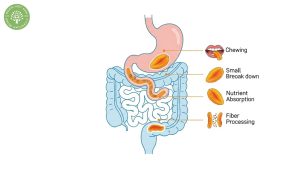
Dried mango affects your digestion in a few simple ways. When mango is dried, it has more sugar and nutrients than fresh mango. Because of this, your body digests dried mango more slowly.
When you eat dried mango, your stomach has to work harder. Dried mango has very little water, so it takes water from your stomach and intestines. This can make digestion slow and may cause stomach pain or discomfort.
Dried mango has fiber, about 2–3 grams per serving. Fiber helps your stomach work better and helps you go to the toilet regularly. It also feeds good bacteria in your gut. However, if you eat too much dried mango, it can cause bloating or gas, especially if you are not used to eating fiber.
Digestive benefits of dried mango
Fiber content and gut health support

Dried mango has two types of fiber that help digestion. Soluble fiber helps slow down sugar absorption and helps you feel full longer. Insoluble fiber makes stool bigger and helps you go to the toilet more regularly.
These fibers also help your gut stay healthy. They feed good bacteria in your stomach and intestines. Studies show that fiber in mango can help keep digestion stable and improve gut health.
Amylase compounds for better digestion
Both fresh and dried mango have natural enzymes called amylase. These enzymes help your body break down starch and carbohydrates. Because of this, your stomach can digest food more easily.
When you eat dried mango with other foods, these enzymes can help your body digest the meal better. This is why dried mango is good to eat as part of a balanced meal.
Potential digestive concerns with dried mango
Bloating and gas production
Many people feel stomach discomfort after eating dried mango. Common problems are bloating and gas. This happens because dried mango has a lot of sugar and fiber. In the large intestine, these can create gas and make the stomach feel swollen.
Mango also has natural sulfur compounds, which can cause more gas. Some dried mango products have added sulfites to keep them fresh. These can make digestion uncomfortable for some people.
Sugar concentration effects
Drying mango makes the natural sugar stronger. One serving of dried mango has much more sugar than fresh mango. This can make blood sugar rise quickly and may cause stomach problems, especially for people with sensitive stomachs or diabetes.
If you eat too much dried mango, the high sugar can also make you go to the toilet more often. It may cause loose stools or diarrhea. This often happens when people eat a lot of dried mango instead of fresh fruit.
Moisture absorption issues
Dried mango has very little water compared to fresh mango. When you eat it, dried mango takes water from your stomach and intestines. This can make digestion slow and may cause constipation or make stomach problems worse.
Because it absorbs water, dried mango can also make you feel very full or heavy, even if you eat only a small amount. This may cause discomfort and make you less hungry for other healthy foods.
Best practices for consuming dried mango

To improve dried mango digestion and avoid stomach problems, it is best to follow some simple tips that help your body digest food more easily.
Start with a small amount. Eat only 1–2 pieces a day at first. If your stomach feels fine, you can slowly eat more. Always drink plenty of water when eating dried mango. Water helps digestion and stops dried mango from taking too much moisture from your body.
When you eat dried mango is also important. It is better to eat it between meals, not right after a big meal. This helps your stomach work better and stops the sugar from affecting the digestion of other foods.
Choose dried mango with no added sugar and no preservatives if possible. Extra sugar and sulfites can cause stomach problems and do not add health benefits. At Ogani VN, we always suggest checking the label so you know what you are eating.
You can also eat dried mango with foods that help digestion, such as plain yogurt or nuts. Yogurt has good bacteria, and nuts add healthy fat and protein. This helps slow down sugar absorption and makes the snack more balanced.
Frequently Asked Questions
Can dried mango cause constipation?
Yes. Dried mango can cause constipation because it has little water and a lot of fiber. Drink more water and eat only a small amount.
How much dried mango is safe to eat each day?
Most people can eat 1–2 small servings a day (about 1/4 cup). If your stomach is sensitive, eat less.
Why does dried mango cause gas? Dried mango has a lot of sugar and fiber. These can make gas in the stomach and intestines. Mango also has sulfur, which can cause gas.
Is dried mango better or worse than fresh mango for digestion?
Fresh mango is better because it has more water and less sugar. Dried mango has more fiber, but eating too much can upset your stomach.
Conclusion
Understanding dried mango digestion helps you choose how to eat this healthy snack. Dried mango has fiber and natural enzymes that help digestion. However, eating the right amount and eating it the right way are important to avoid stomach problems.
At Ogani VN, we want to help you enjoy natural and healthy foods in a good way. If you often have stomach problems after eating dried mango or other foods, it is best to talk to a doctor or health expert.
Want to try high-quality dried mango that is gentle on your stomach? Visit Ogani VN to find natural dried mango with no preservatives, made for good taste and easy digestion.
Read more:
- Dried Mango Digestion: Effects, Benefits, and Concerns
- Best Dried Mango No Sugar Added: Premium Quality Guide
- Calories In Dried Mango No Sugar Added: Complete Nutrition Guide
- Are Dried Mangoes Good For You? The Complete Health Guide
- Benefits Of Dry Mango: Ultimate Health Guide For Natural Energy